
































































The recall comes after the FDA issued an Import Alert concerning Sichuan Friendly Pharmaceutical Co., Ltd., which was found to have substandard manufacturing practices.

The recall comes after the FDA issued an Import Alert concerning Sichuan Friendly Pharmaceutical Co., Ltd., which was found to have substandard manufacturing practices.
From BMD T-scores in adults with GHD to how GH supplementation affects cardiac function--test your knowledge of the details.

Highlights include how cost-effective insulin reduces hospital visits; prevalence of restrictive lung disease in T2DM patients; and the wonders of self-monitoring for cost of care.

How do low- and high-normal levels of IGF-1 impact cognitive function and wellbeing during growth hormone replacement? Answers from a new study.

Results of a new study highlight the importance of intensive treatment of all comorbidities associated with adult growth hormone deficiency.

The optimal duration of dual antiplatelet therapy remains unclear, despite being proven efficacious for roughly 2 decades.

The device supplants Abbott's own 10-day Libre system as the longest-lasting self-applied continuous glucose monitoring system on the US market.

According to a new study, young cancer survivors are at a 73% higher risk for endocrine disease.

The paradigm of obesity is complex and requires a multi-disciplinary approach, but it is one of the most gratifying experiences for both the physicians and patient when they see the results of weight loss.

Positive data for the add-on therapy for patients with type 2 diabetes and chronic kidney disease will be presented at an upcoming medical meeting.

Why can it be difficult to get diabetes patients to an eye exam? One physician offers some insight.

The Cleveland Clinic’s pioneer of minority programs plans to end health disparity.

To the knowledge of researchers, this is the first demonstration to show C3a can stimulate basal deposit production by normal human RPE cells.

How can we help our diabetes patients break out of the negative feedback loop and find positivity? Edward C. Chao, DO, shares 3 simple steps.

Peter Toth, MD, spoke about the importance of noting elevated triglycerides in patients at risk for cardiovascular conditions.

The study revealed for the first time that triglycerides can be utilized as an independent predictor of cardiovascular risk—a landmark moment.

New research suggests cirrhosis, not HCV status, is the reason diabetes rates are higher among HCV-infected patients.

Targeting metabolism with therapies such as metformin has shown in clinical settings to affect aging itself. In IPF, it could influence the rate of aging as well.

AF is associated with major disease burden, predominately in the form of cardiovascular comorbidities. As a direct oral anti-coagulant, rivaroxaban has been a proven inhibitor of ischemic stroke risks in patients with AF.

The poster presentations included a meta-analysis of 17 studies analyzing the cost-effectiveness and performance of the CGM system and a real-world examination of the trends its use.
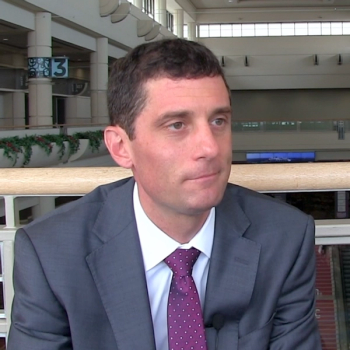
Tim Dunn, PhD, discussed the benefits that the Freestyle Libre continuous glucose monitoring system provides for both the patients and providers

In a comparison of canagliflozin to other SGLT-2 inhibitors and anti-hyperglycemic therapies, the drug was found to decrease hospitalization from heart failure risk, and carry no extra risk for leg or foot amputation.

Murray Stewart, MD, spoke about his research into the hormone leptin—a major player in appetite and metabolism, with much that's still misunderstood about it.

The addition of features such as Bluetooth and Wi-Fi connectivity, in addition to cloud-to-cloud integration, is essential to improving diabetes devices.

Across the 6-month duration of the trial, weight loss was maintained across all dose levels, with patients that had the lowest baseline leptin levels benefitting the most.