































































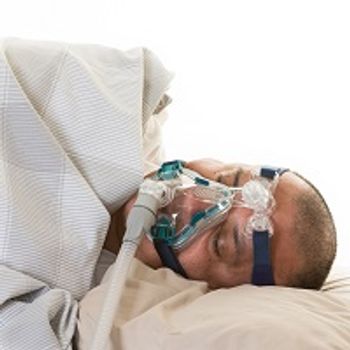
Over the course of 16 weeks, OSA patients receiving CPAP treatment lost 5.7 pounds more on average than patients not receving CPAP therapy.
Over the course of 16 weeks, OSA patients receiving CPAP treatment lost 5.7 pounds more on average than patients not receving CPAP therapy.

A year-long outpatient care study showed that patients with type 2 diabetes and comorbid cardiovascular disease are 5 times as likely to visit a cardiologist.

A new Puerto Rico-based trial shows that patients on add-on SGLT-2 inhibitors reported greater HbA1C reductions.
The FDA’s decision regarding sotagliflozin (Zynquista), an investigational treatment for type 1 diabetes, followed a split Advisory Committee vote in January.
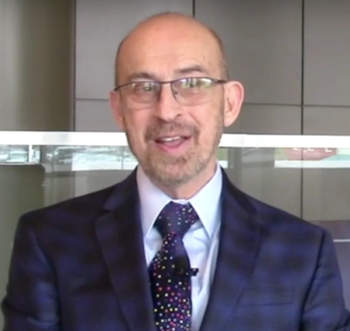
With cardiovascular drug classes inhibitors owning discussion, how will recent or upcoming guideline updates address their use alongside lifestyle management?
The applications seek FDA approval for blood sugar control and cardiovascular risk reduction in adults with type 2 diabetes.

Among participants of the EMPA-REG OUTCOME trial who experienced heart failure, empagliflozin was associated with lower rates of short-term re-hospitalization and death.

A new study of a blood pressure-monitoring mobile app reports patients with diabetes could reach better thresholds.

New recommendations for prevention focus on risk factors, new therapies, and press against the popular use of aspirin as a preventive therapy.

A 3 million-plus patient longitudinal study found the drug class was no worse for amputation risks than other diabetes therapies, despite recent conflicting studies.
Now that SGLT-2 inhibitors have reached the market, how will clinicians compare their benefits in patients?
How the effective cardiovascular drug class have reach a state of impending head-to-head trials.
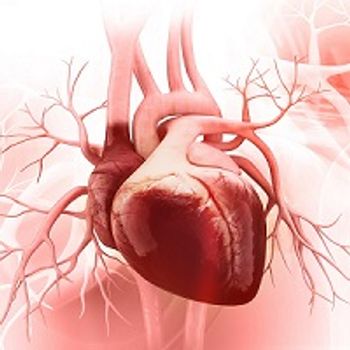
A prospective study found that daily dapagliflozin significantly improved mitral flow, left ventricular mass index, and left atrial volume index after 6 months of treatment.

No head-to-head trials exist for the inhibitors, but current data shows consistency across the board for each drug.
Recently new therapy options are becoming more evidenced by the day. But have they reached their fullest potential?

What drives your burnout? Better yet, how do you prevent yourself from getting burned out? Dr. Chao raises this important issue in this month's physician column.
The 100 Units/mL/ 300 mcg/mL-dosed therapy was previously approved as an add-on therapy to diet and exercise in adults with T2D.
The t:Slim X2 insulin pump is both compatible with outside therapy systems, and capable of delivering insulin on its own.
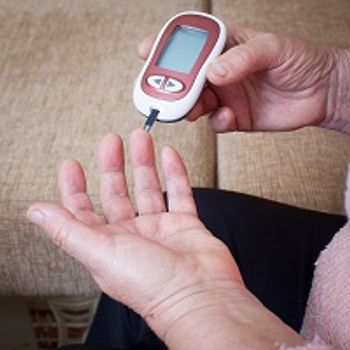
The CAROLINA cardiovascular safety study found that linagliptin was non-inferior to glimepiride in time to a composite cardiovascular endpoint.
Advanced hepatitis C virus patients with HIV infection recover liver function with all-oral direct‐acting antivirals (DAA) therapy, study shows.
In the past 5 years, the administration has continually improved on the previous year's rate. More of the same should be anticipated in 2019.
Statins are already a common therapy among patients with type 2 diabetes. Its cholesterol-lowering benefits may help retain patient vision longer.
The investigative SGLT1/2 dual inhibitor is scheduled to be considered for marketing approval by mid-March.
Authors of a new study found that liraglutide lowers blood pressure, but which T2DM patients benefit most and how?
Once one of the country healthcare system's greatest successes, CVD and related mortality is rising again. What's its true cause?