
































































Using data from the National Health Interview Survey, investigators found major gaps in terms of receiving advice and engaging in diabetes risk-reduction activities.
Using data from the National Health Interview Survey, investigators found major gaps in terms of receiving advice and engaging in diabetes risk-reduction activities.

Infants who are not breastfed, or infrequently breastfed, have an increased risk of becoming obese, shows a WHO study presented last week at the European Conference on Obesity (ECO) held in Glasgow.

WHO recommends no screen time for children under one year and instead, adopt more playtime to lower the risk of obesity.
People experiencing homelessness were more likely to follow-up on referrals from an ophthalmology clinic if they had finished high school or had a primary care provider.
Investigator Lim sees hope that the EyeArt AI system will be able to screen more patients for diabetic retinopathy and help prevent blindness.
The artificial intelligence system, EyeArt, was able to detect diabetic retinopathy with a sensitivity of 95.5% and specificity of 86%.

Socioeconomic status may serve as a determinant of whether patients seek or have access to treatment for weight management, according to researchers presenting at AACE.
After training the EyeArt system on thousands of images of eyes with diabetic retinopathy, investigators tested the AI in a clinical trial.
With 8.5% of the global population having diabetes, there is a growing unmet need for diabetic retinopathy screening. Artificial intelligence may help close the gap.

Recent findings show that borderline deficiency is prevalent in about half of all stroke patients. Are vitamin B1 levels being tested enough, and are deficiencies affecting stroke rehabilitation?

Approximately half of all patients with diabetes suffer from keratopathy, yet diagnoses are still underwhelming. Annual screenings need to become more standard.
The Connected MOM program allows self-monitoring during pregnancy so that some in-person visits can be skipped, and any issues can be identified early.

A new study of 55 million insured young adults in the US found that major depression, type 2 diabetes, and other conditions are becoming more prevalent among them.

“At first, I was afraid, I was petrified. I kept thinking I could never live without you by my side…” so the song goes. That is sort of how I felt when my associate told me she was leaving.
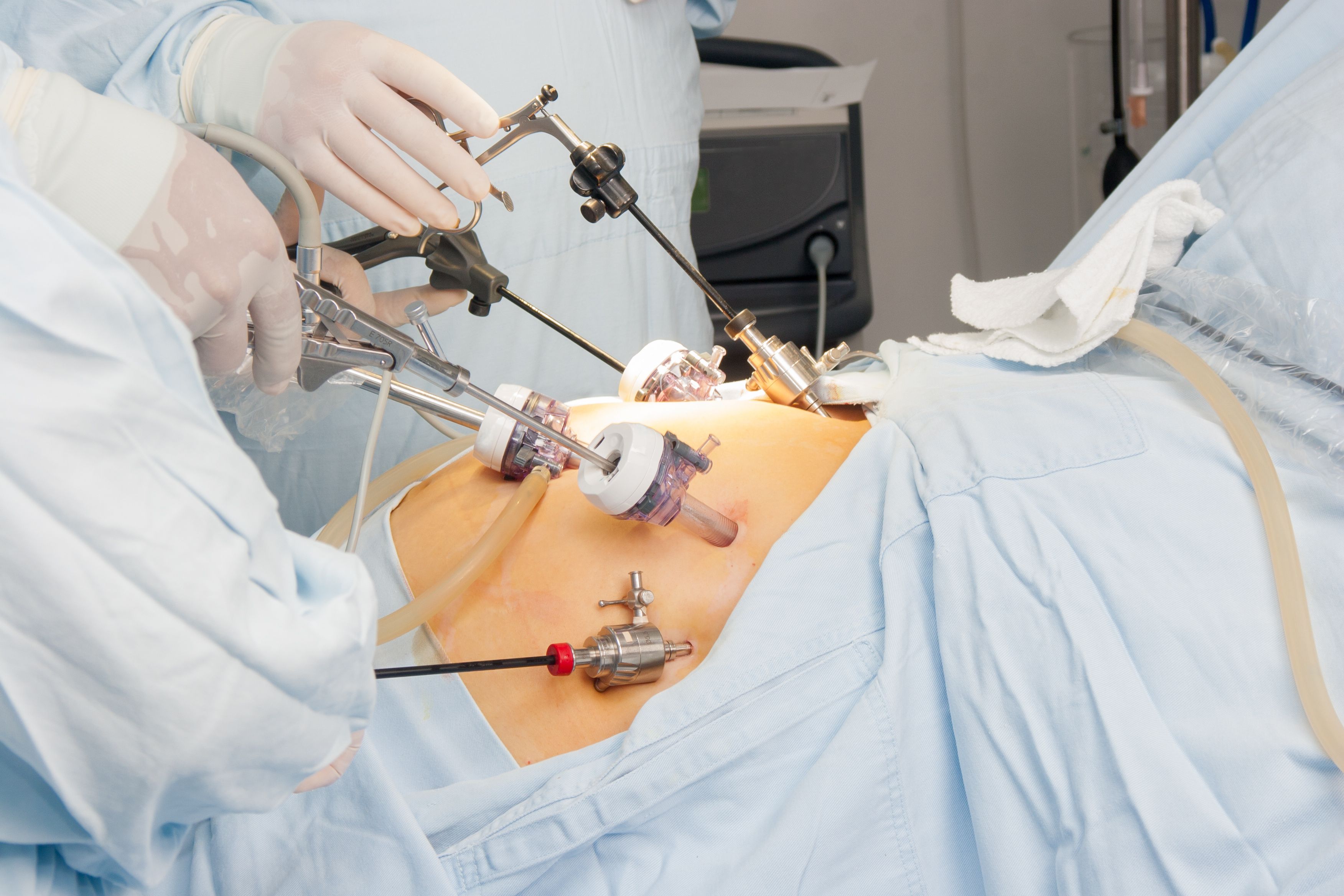
The TransPyloric Shuttle device is delivered endoscopically to the stomach and can be used for up to 12 months of treatment.

Drinking no water on a given day was associated with greater caloric intake overall and a greater percentage of calories coming from sweetened beverages.
Richard Milani, MD, shares about the digital medicine program, particularly the track for patients with hypertension.
Aimee Quirk, CEO of innovationOchsner shares about how they have improved aspects of health care by introducing uses of technology.

It's been nearly a century since one of the greatest medical findings reached patients. How has the story of insulin changed modern diabetes care?

To certify or not to certify, that is the question. There is no evidence that it improves patient care. And yet, the question often comes up in my discussions with colleagues: Should we recertify?
Is there an improved method of care for patients at risk of losing limbs?
The daily oral capsule was shown to reduce overweight and obese patient weight by about 6% over 6 months.

Additionally, the added sugar labels will save the health care system an estimated $31 billion.
The CREDENCE study of canagliflozin in adults with chronic kidney disease and type 2 diabetes met its primary endpoint as well as cardiovascular endpoints.

Time-restricted feeding has been shown in early trials to be a beneficial treatment for various cardiovascular disease risk metrics.