
































































Eating a low carbohydrate diet compared to a low fat diet leads to greater loss of weight as well as a significant reduction in Framingham Risk Score.
Eating a low carbohydrate diet compared to a low fat diet leads to greater loss of weight as well as a significant reduction in Framingham Risk Score.
For children with Diamond-Blackfan Anemia (DBA) - an inherited condition defined by low red blood cell counts and limited progenitor cells in the bone marrow - growth hormone (GH) therapy was found to increase the short stature of patients - a symptom not widely analyzed.
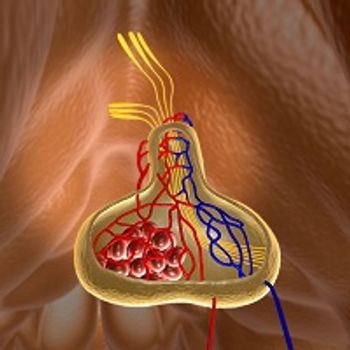
The Endocrine Society has issued a clinical practice guideline for the diagnosis and treatment of acromegaly, a rare condition usually caused by a non-cancerous, growth hormone-producing pituitary tumor.

Also known as alternate day fasting, "zigzag" caloric cycling calls for the dieter to eat the number of calories required to maintain weight one day, and then 25% of his or her energy needs on the fast day. Studies have shown that individuals who are compliant with this pattern can lose 4% to 8% of their body weight over 8 to 12 weeks.

A urine test to detect preeclampsia is being developed by a startup group at Yale University.
Kidney donors may have lower 1,25-dihydroxyvitamin D and phosphate levels. Their parathyroid hormone levels may be elevated, but with minimal effect on calcium levels.

When surgical patients have tumors that secrete adrenal hormonal, the anesthesiologist needs to thoroughly address preoperative evaluation, perioperative hemodynamic control, electrolytes, and metabolic abnormalities

Many people could be more active in their daily lives. The question for physicians is: How do you make that happen, especially for children and adolescents? A recent study provides clues about how to help patients maintain a healthy lifestyle.
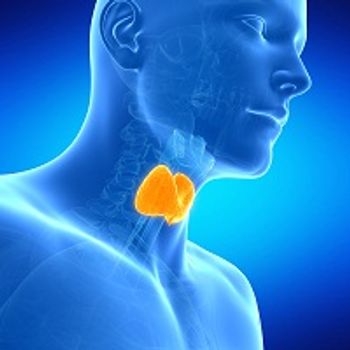
Thyroid dysfunction causes many well-recognized changes at the level of the brain, and most are reversible with treatment. Patients who have hypothyroidism often have other neuropsychiatric comorbidities, including affective disorders, depression, cognitive function loss, anxiety, or irritability.

Affecting just one in every 100,000 people, ANCA-associated vasculitis is not one of the more common conditions nephrologists will encounter. However, without proper treatment it can have serious adverse effects on a patient's life.

Alternate day fasting can be an effective weight loss strategy, but optimal meal timing on fast days has not been thoroughly examined.
Calculation and interpretation of the anion gap is extremely useful in the evaluation and treatment of the patient with metabolic acidosis. In this installment, we look at case examples involving patients with multiple sclerosis and urosepsis; COPD, diabetes, and renal failure; and type 1 diabetes.
For individuals without diabetes, hemoglobin A1c (HbA1c) levels not only predicted the prevalence of coronary artery disease (CAD), but also anticipated its severity, according to research published in Mayo Clinic Proceedings.
In this installment, we look at underlying causes of metabolic acidosis, approaches for evaluating patients with suspected metabolic acidosis, and why measurement of the anion gap is of great usefulness in these cases.
A 58 year old G2P2, married woman presents to your office for her annual well woman exam. Upon questioning, she tells you that for several months she's been having trouble with urinary leaking. "I just can't seem to get to the bathroom on time and I feel like I go more often than usual." She also has been urinating at least twice during the night. She denies urinary burning or dysuria
The 74th Scientific Sessions of the American Diabetes Association (ADA) brought together more than 17,300 attendees from more than 121 countries. This year's program included 96 symposia, 50 oral abstract sessions, 10 interest group discussions, 18 meet-the-expert sessions, and 10 special lectures and addresses. Cardiology Review is covering 6 of the top sessions.

Bodily pain and headache are highly prevalent in pituitary disease, making pain screening and therapy an important part of the work-up for these patients.

Contrave (naltrexone hydrochloride and bupropion hydrochloride extended-release tablets) is a treatment option for chronic weight management in addition to a reduced-calorie diet and physical activity.
The anion gap is extremely useful in the detection and analysis of metabolic acidosis and also intoxicants and some hematologic conditions.

Drug formerly known as Zerenex gets approval following Phase 3 clinical trials

Revised guidelines recommend athletes to drink when they are thirsty and to supplement post-training fluids with "recovery foods."

Do any of these 5 most common unexpected insurance denials (for June 2014) look familiar to you? Any of the top 5 reason codes? If so, is it time to look into why?

The US Food and Drug Administration recently announced the approval of the KRONUS Zinc Transporter 8 Autoantibody (ZnT8Ab) ELISA Assay, a new test for type 1 diabetes.

An emerging epidemic of acute hepatitis C threatens the country's younger population, which experienced a significant hike in the number of cases during a recent 6-year period, according to a compound study that looked at trends of the disease among youth.

Despite these improvements in medical technology, diabetic nephropathy remains unpredictable and life-threatening. Identifying high-risk patients at an early stage could help clinicians take appropriate steps to reduce risk.