




Gastroenterology
Latest News


Evan S. Dellon, MD, MPH: Dupilumab Shows Promise Treating Eosinophilic Esophagitis
By Kenny Walter
Advertisement
Latest Videos







CME Content




























































Advertisement
More News

Patients with chronic pancreatitis can exhibit dependence on chronic opioid therapy prior to receiving total pancreatectomy with islet autotransplantation.

Isolation as a result of suspected C. Diff can take a significant financial toll on the healthcare system, thus it is necessary to determine appropriate factors that can predict CDI.

Investigators compared 2 groups, before and after the initiation of a biosimilar program at their hospital.

Relapses occurred in only 4 of 14 patients treated with the combination of Metronidazole with Vancomycin.

These findings suggest a potential in developing preventative vaccines against C. difficile infection.

In data presented at UEG, investigators find post-dupilumab transcriptome closely resembles the transcriptome of a healthy control group.
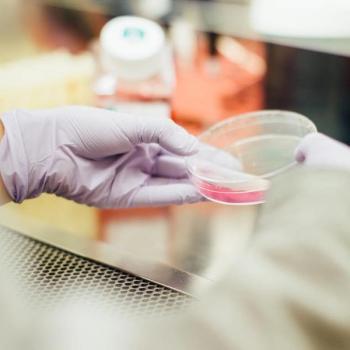
New data shows that clinical isolates of C. difficile are variably affected by manuka honey in terms of growth inhibition and bactericidal activity.

Only 29.5% of sampled CBD users claimed any wellness benefit.

The longitudinal study included 209 children, one of the largest samples in the world for a study on this topic.

The absolute SCr criterion correlated better with all-cause mortality than the relative increase in serum creatinine.

The study observed 50 women taking infliximab, adalimumab, and vedolizumab.

New cohort analysis shows patients with ulcerative colitis or Crohn's disease who have received invasive care may be affected long-term.

NASH and NAFLD are notoriously difficult to treat conditions.

TLR9 activation shows potential as a target for ulcerative colitis and warrants further testing.
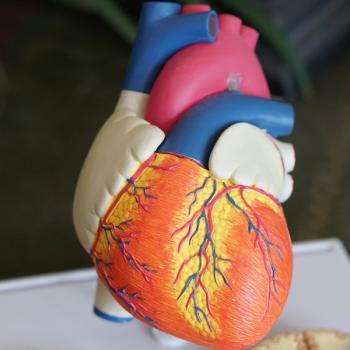
These findings underline the importance of aggressive management to treat IBD and ACS comorbidities to improve outcomes.
Dr. Moon says new strategies must be implemented to help NAFLD patients deal with pain.

This edition from the 10 Year Plan features perspective from leadership at WGO and Crohn's & Colitis Foundation, as well as survey results from gastroenterologists.
As part of the TARGET-NASH study, researchers find 18% of NAFLD patients are prescribed opioids because of pain.

This article is the final installment of four articles exploring the epidemic of liver disease called nonalcoholic fatty liver disease and its more severe form, nonalcoholic steatohepatitis.

Testing all IBD patients for CMV can lead to a concerning overconsumption of resources as well as a delay in treatment.

Dr. Yuen discusses some new treatments in the pipeline and how personalized medicine could make an impact in HBV treatment.

The trial was called off because of futility of the toxoid vaccine candidate.

The cut points for LCT and nCD64 in Crohn’s disease were not previously known.

Fecal material transplantation for the management of patients with IBD demonstrates a response rate of 53.8% with a complete remission of 37%.
This article is the third in a series of four articles exploring the epidemic of liver disease called nonalcoholic fatty liver disease and its more severe form, nonalcoholic steatohepatitis.
Advertisement
Advertisement
Trending on HCPLive
1
FDA Approves Obinutuzumab (Gazyva) for Idiopathic Nephrotic Syndrome
2
The Case for Routine Kidney Screening, With Pranav Garimella, MBBS, MPH
3
Hereditary Angioedema Triggers, Prodromes Mapped in US HAEA Registry
4
Weekly Insulin Efsitora Alfa (Onswik) Gains FDA approval for Type 2 Diabetes
5