





Gastroenterology
Latest News
Advertisement
Latest Videos


CME Content




























































Advertisement
More News

Despite bearing a greater obesity burden, Black, Hispanic, and American Indian/Native individuals are underrepresented in GLP-1 RA RCTs for weight loss.

Findings suggest having GERD incurs an 18% greater risk of a new AUD diagnosis, presenting an opportunity to discuss alcohol use with patients.

View slated expert interviews and 6 clinical GI, hepatology, and endoscopy trials to watch at ACG 2025.

The ACP Performance Measurement Committee reviewed 5 performance measures for CRC screening, ultimately only supporting 1 of them.

An audio recap of the top 5 stories in healthcare news from the week of 10/12-18.

Stay updated with the latest healthcare breakthroughs, including FDA updates and phase 3 trial readouts, in this week's essential news roundup.

Findings from the quality improvement study provide real-world data supporting empirical donor exclusion and multiple-dose capsule FMT to increase CDI cure rates.

The decision updates the indication statements for ulcerative colitis and Crohn’s disease to allow use in patients who have received ≥ 1 approved systemic therapy.
An audio recap of the top 5 stories in healthcare news from the week of 10/5-10/11.
Stay updated with the latest healthcare breakthroughs, including FDA approvals and clinical trial readouts, in this week's essential news roundup.

A recent study reveals that small intestinal dilation significantly contributes to abdominal symptoms in adults with Food-Protein-Induced Enterocolitis Syndrome (FPIES).

LUCENT-3 open-label extension study data establish mirikizumab-mrkz (Omvoh) as the first and only IL-23p19 to show sustained long-term outcomes in UC through 4 years.
The Q3 recap for gastroenterology spotlights key FDA decisions, new AGA gastroparesis guidelines, and other top GI news and research.
Read about new AGA gastroparesis guidelines, GI FDA news, and more.
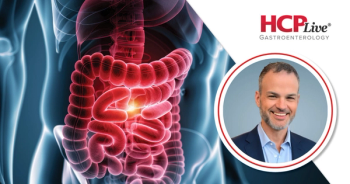
Staller describes key takeaways from the 12 conditional recommendations made in the American Gastroenterological Association’s new gastroparesis guideline.
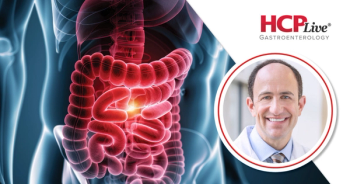
Rubin reflects on the FDA approval of a SC induction regimen for guselkumab (Tremfya) in UC and explains the significance of having both IV and SC induction options in IBD.
Staller describes unmet needs in gastroparesis and key recommendations for its diagnosis and management from the new AGA guidelines.

The approval offers the flexibility of self-administration from the start of treatment for UC, building on the prior approval of SC induction in Crohn’s disease.

The guideline offers 12 conditional recommendations for the diagnosis and management of gastroparesis, emphasizing individualized care and calling for more research.

Brogan discusses the various opportunities and challenges that have accompanied recent evolutions in inflammatory bowel disease management.

Stewart reviews clinical pearls for performing rectal exams and explains common mistakes and misdiagnoses as well as how to avoid them.

Gandhi describes the crucial role APPs play in GI bleeding care and the importance of collaborative management of these patients.

Ugras describes recent evolutions in EoE, including new FDA-approved therapies, updated clinical guidelines, and better understanding of its pathophysiology.
Brogan explains how to navigate the complexities of the Crohn’s disease treatment landscape and why patients need to be included in the decision making process.

McCarty explains progress made with new screening options but emphasizes ongoing barriers hindering screening goals and how they need to be addressed.
Advertisement
Advertisement
Trending on HCPLive
1
The Case for Routine Kidney Screening, With Pranav Garimella, MBBS, MPH
2
FDA Approves Obinutuzumab (Gazyva) for Idiopathic Nephrotic Syndrome
3
Zilurgisertib Receives FDA Approval for FOP in Patients 12 and Older
4
FDA Approves Baricitinib for Adolescents With Severe Alopecia Areata
5