































































Esophageal cancer has a low survival rate largely due to advanced stage diagnosis.
Esophageal cancer has a low survival rate largely due to advanced stage diagnosis.
Direct optical endoscopy are often underutilized in screenings for EAC.
Vonoprazan has shown more potent acid inhibitory effects than PPI.

New data has investigators caution against the discontinuation of ulcerative colitis treatment, due to threat of relapse.

A cohort assessment shows a 57% increased risk of pediatric asthma development among children given PPIs to treat gastrointestinal tract disorders.

Investigators look at persistent symptoms for GERD patients taking proton pump inhibitors.
In a comparison, investigators find that surgery is more successful in treating GERD patients who do not respond to protein pump inhibitors.

Recent clinical assessment of gastroesophageal reflux disease has linked it to an inflammatory response triggered by cytokines.
Who is the best candidate for invasive treatment in the GERD population?
How increasing obesity rates have affected the prevalence of GERD and re-prioritized first-line care.

Why delving into the symptoms of the most at-need patients is critical for care.
Gastroesophageal reflux disease (GERD) has long been thought to result from built up stomach acid damaging the lining of the esophagus.

The field of gastroenterology is as wide as the the amount of the body that it covers. Because of this there are certain challenges doctors face whether they treat the entire gastrointestinal system or just specific parts.

The US Food and Drug Administration (FDA) has approved dexlansoprazole (Dexilant SoluTab/Takeda Pharmaceuticals), a new formulation for the treatment of heartburn-associated gastroesophageal reflux disease (GERD) in adults age 18 and older.
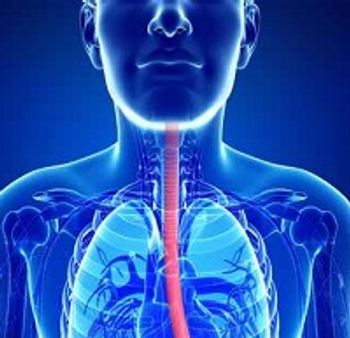
Raised lesions of dysplatic Barrett's esophagus (BE) are treated with endoscopic mucosal resection (EMR) before ablation. But the procedure causes bleeding in 10% of cases.Mayo Clinic researchers said they found a way to reduce those adverse events.

Women giving birth through in-vitro fertilization (IVF) were reported more likely to experience the after-effects of long-term gastro-esophageal reflux disease (GERD) symptoms.
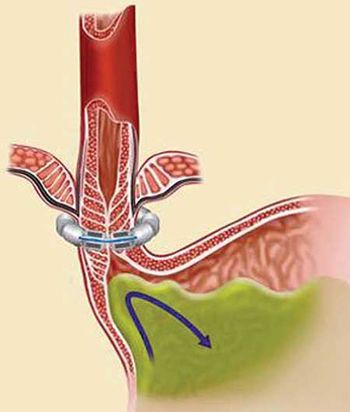
A minimally-invasive, surgically-implanted esophagus band developed at Stony Brook University Hospital effectively reduces symptoms of gastroesophageal reflux disease (GERD).
Transoral incisionless fundoplication (TIF) was shown to be more effective than taking the maximal proton pump inhibitor (PPI) dose in relieving heartburn, regurgitation, and other troublesome symptoms in patients with refractory gastroesophageal reflux disease (GERD).

Esophageal pH monitoring is more cost effective than the long-term use of proton-pump inhibitors (PPIs), since it can help rule out gastroesophageal reflux diseases (GERD) and avoid the unneeded costs associated with prolonged medication therapy.
The FDA has received reports that Teva's lansoprazole delayed-release orally disintegrating tablet has clogged and blocked oral syringes and feeding tubes.

Poorly treated GERD has a significant impact on patients' lives and can lead to reduced physical and social activity.
Long-term use of prescription proton pump inhibitors, or PPIs, can depress serum magnesium levels and, possibly, lead to serious adverse events.
A video and animated overview of a laparoscopic surgical technique used in the treatment of GERD.

Esophageal cancer risk in patients with GERD is not as pronounced as once thought; the rate in women is similar to that of breast cancer in men.