






Heart Failure
Latest News
Advertisement
Latest Videos





CME Content























































Advertisement
More News

Allegheny Health Network (AHN) implants innovative device to manage central sleep apnea in heart failure patients, reducing mortality rise and improving quality of life.

A subgroup analysis of the SELECT trial confirmed semaglutide 2.4 mg benefits patients with heart failure across ejection fraction spectra, improving MACE and heart failure outcomes.
In this episode, hosts react to the announced CMS list prices for the first 10 drugs chosen for negotiation as part of the Inflation Reduction Act.

Deepak Bhatt, MD, MPH, MBA, discusses 7 trials to watch from hotline or late-breaking sessions at the upcoming European Society of Cardiology Congress 2024.

New study suggests MRI-derived pressure measurements indicate a 5-fold increase in heart failure risk.

In this episode, hosts are joined by Muthiah Vaduganathan, MD, MPH, for a discussion around topline data updates from the SUMMIT and FINEARTS-HF trials.

On August 05, 2024, less than a month prior to its presentation at ESC 24, Bayter has announced topline data from the FINEARTS-HF trial indicating finerenone met the primary endpoint.

The July 2024 cardiology month in review spotlights new data from obicetrapib, a deep dive into risk stratification algorithms, and studies on the need for optimal care.
Eli Lilly's tirzepatide showed a 38% reduction in heart failure outcomes and improved symptoms in adults with HFpEF and obesity in the phase 3 SUMMIT trial.

A STEP-HFpEF analysis suggests semaglutide 2.4 mg (Wegovy) confers benefit across the spectrum of NYHA functional class among patients with obesity-related HFpEF.

Our Cardiology Month in Review for June 2024 spotlights the pharmacotherapies making waves within the pipeline, the latest news in dyslipidemia, and updates in heart failure.

Vutrisiran achieved statistically significant reductions in primary and all secondary endpoints for patients with ATTR-CM in the HELIOS-B trial.

New research from the SOLOST-WHF trial suggests sotagliflozin is a cost-effective treatment for diabetes patients with recent heart failure, with high cost-effectiveness probability.
New research reveals that elevated lipoprotein(a) and oxidized phospholipids are independent risk factors for early-stage heart failure progression.

Our cardiology month in review spotlights the top 5 storylines that defined cardiology during May 2024, including new HCM guidelines, news from ESA 2024, and the FLOW trial.

Ashley Malliett, DMSc, MPAS, PA-C, discusses the importance of timely diagnosis and initiated care, as well as contraindications for transplants and LVAD.
Malliett discusses the signs that a caregiver should refer to an HF specialist for advanced care options, including LVAD and heart transplant.

A post hoc analysis from FIDELITY shows finerenone could significantly reduce eGFR slopes among patients at risk of worsening CKD due to a heart failure hospitalization.
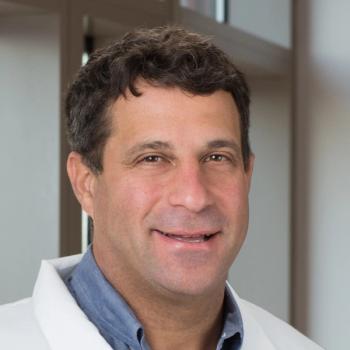
The SEQUOIA-HCM trial presents aficamten as a promising treatment for symptomatic obstructive hypertrophic cardiomyopathy, showing significant improvements in multiple endpoints.

The latest guidance on hypertrophic cardiomyopathy contain new endorsements for the cardiac myosin inhibitor class and other aspects of management.

The April 2024 cardiology month in review spotlights FDA news and top updates from the American College of Cardiology 2024 Scientific Session.

The HCPLive Endocrinology month in review for April 2024 spotlights SURMOUNT-OSA, STEP HFpEF DM, new ACP guidelines for T2D, and more!

A meta-analysis of 12 trials suggests catheter ablation for atrial fibrillation reduces heart failure events in HFrEF patients but not in HFpEF.

Meta-analysis of 11 phase 3 trials shows SGLT2 inhibitors reduce cardiovascular event risk by 9% across diverse patient populations.
In this episode, hosts discuss the STEP HFpEF DM trial and the need for fair allocation of incretin-based therapies with ongoing shortages and overwhelming demand.
Advertisement
Advertisement
Trending on HCPLive
1
Tilrekimig Meets EASI-75 Goal in Atopic Dermatitis, With Eric Simpson, MD
2
Tips on Optimizing HS Biologics, Combinations, and Surgery
3
FDA Approves Once-Monthly Subcutaneous Olanzapine for Schizophrenia
4
FAQ: ASH's New Ferritin Thresholds, With Jacquelyn Powers, MD, MS
5