





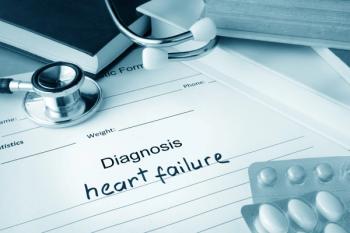
Heart Failure
Latest News
Advertisement
Latest Videos





CME Content























































Advertisement
More News

Martin Maron, MD, discusses the results of the IMPROVE-HCM trial and how it informs the community on the potential of ninerafaxstat.

Veraprapas Kittipibul, MD, discusses an analysis of the TRANSFORM-HF trial at ACC.24.

Muthiah Vaduganathan, MD, MPH, discusses a presentation from ACC.24 assessing the effects of dapagliflozin across a range of left ventricular hypertrophy from DELIVER.
Alberto Foà, MD, PhD, discusses a PARAGON-HF analysis from ACC.24 examining treatment-related hypotension in people with HFmrEF/HFpEF.
Veraprapas Kittipibul, MD, discusses a study examining costs associated with heart failure hospitalization among patients with HFrEF or HFpEF from within the GWTG-HF registry.

The STEP HFpEF DM trial at ACC.24 shows significant improvements in symptoms among patients with obesity-related HFpEF and diabetes mellitus.

In this ACC.24 episode of Don't Miss a Beat, hosts are joined by Javed Butler, MD, for a breakdown of the EMPACT-MI trial.
Results of EMPACT-MI suggest use of empagliflozin was not associated with a statistically significant reduction in a composite of death and heart failure hospitalization.


A recap of the biggest FDA news and decisions in cardiovascular medicine from the first 3 months of 2024, with commentary on recent announcements by Deepak Bhatt, MD, MPH, MBA.

Iron-deficient patients on an SGLT2 inhibitor at baseline experienced greater increases in hemoglobin levels with ferric derisomaltose compared with those not taking one.

The hospitalization risk was reduced to up to 75% for patients with heart disease treated with both antidepressants and psychotherapy to manage anxiety or depression symptoms.
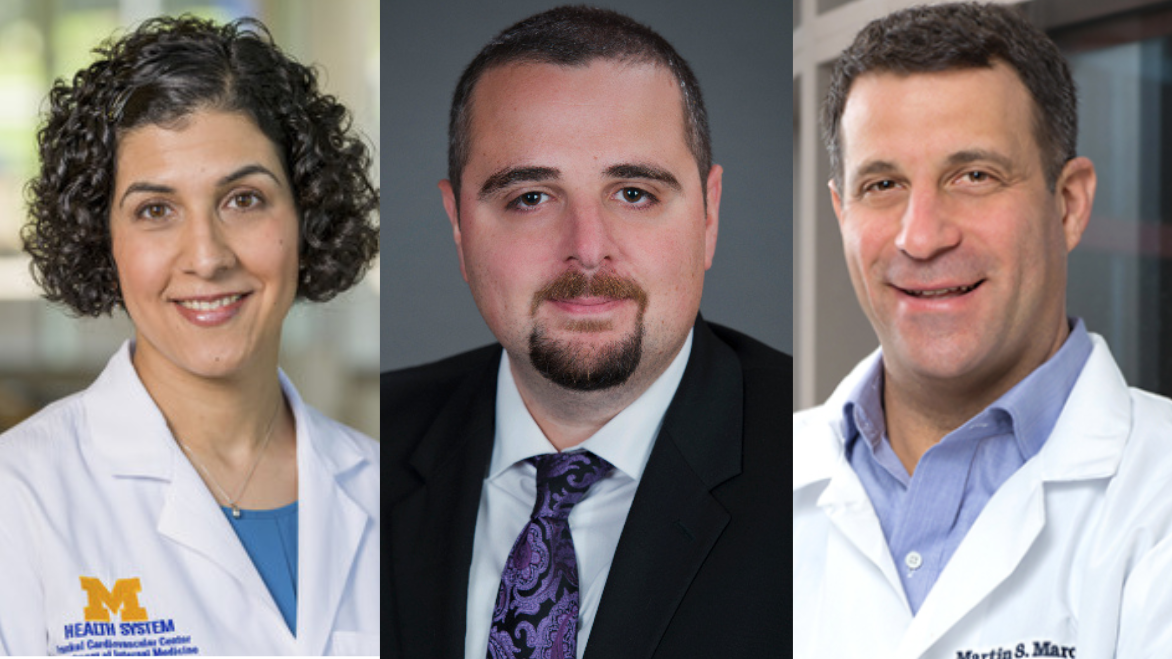
Eiran Gorodeski, MD, MPH, Parag Goyal, MD, MSc, and James Fang, MD, discuss the HFSA's recent scientific statement on the prevalence and impact of cognitive impairment on the management of heart failure.

Eiran Gorodeski, MD, MPH, discusses a recent scientific statement composed on behalf of the Heart Failure Society of America highlighting the impact of cognitive impairment on patients with heart failure.

Iron deficiency marks more than a comorbidity in heart failure, with adverse manifestations, including anemia and a higher risk of mortality, influencing the clinical trajectory of patients with HFrEF.

Our February 2024 cardiology month in review, recaps FDA news, top data from International Stroke Conference and major journals, and perspectives form a bevy of key opinion leaders in the field on hot topics and news from across the spectrum of cardiovascular medicine.

This American Heart Month 2024 feature paints a picture describing the current state of cardiology by asking what the most prevalent and important issues facing the specialty are today from the perspective of 9 leading experts.

Ahmad Masri, MD, MS, provides an update on the the development of the cardiac myosin inhibitor class and offers perspective on what the future might hold for the class beyond cardiomyopathy.

Michelle Kittleson, MD, PhD, provides insight into the potential impact of a new risk score for heart transplant allocation as well as the need for more equitable cardiovascular care in the US.

A novel risk score developed by University of Chicago investigators outperformed conventional models in predicting death in heart transplant candidates, which could help bring the field closer to optimal and equitable allocation.
Deepak Bhatt, MD, MPH, discusses the need to improve in-hospital initiation and uptitration of guideline-directed medical therapy in heart failure.

This recap of top cardiology news from January 2024 spotlights pipeline updates, new guidance on peripheral interventions, and a celebration of what may be the single most impactful public health address in the history of the United States.

The FDA's acceptance of the NDA for acoramidis in ATTR-CM was announced on February 05, 2024 and assigns a November 2024 PDUFA for the agent.

Across two large, diverse cohorts, TET2 CHIP was associated with a more than 2-fold higher risk of incident HF with preserved ejection fraction.

A new study found behavioral activation therapy is just as effective as antidepressants for treating depressive symptoms in patients with heart failure, with both treatments having a 50% reduction at months 3, 6, and 12.
Advertisement
Advertisement
Trending on HCPLive
1
Tilrekimig Meets EASI-75 Goal in Atopic Dermatitis, With Eric Simpson, MD
2
Tips on Optimizing HS Biologics, Combinations, and Surgery
3
FDA Approves Once-Monthly Subcutaneous Olanzapine for Schizophrenia
4
Why "Normal" Ferritin Can Miss Iron Deficiency, With Jacquelyn Powers, MD, MS
5