




Heart Failure
Latest News
Advertisement
Latest Videos






CME Content























































Advertisement
More News

Anita Radhakrishnan, MD, leads a community screening effort to detect early heart disease in underserved populations in Pittsburgh.

Label updates simplify twice-yearly echo monitoring for eligible patients in the maintenance phase and expand eligibility with reduced contraindications.
Radhakrishnan describes a unique initiative in Pittsburgh promoting health equity and closing the gap in cardiovascular health disparities.

Individuals treated with ezetimibe shortly after myocardial infarction experience an improved prognosis versus those who receive delayed treatment or none at all.

Bristol Myers Squibb says mavacamten missed dual primary endpoints in Phase 3 ODYSSEY-HCM trial for symptomatic non-obstructive HCM.

Bhatt discusses his expectations for the future of cardiology in 2025, including GLP-1-RAs and the push towards combination therapy.
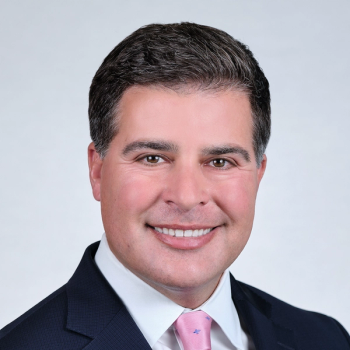
Ruff discusses his expectations for cardiology for the rest of 2025, including new research into GLP-1 receptor agonists.

Le discusses his anticipation for the results of upcoming cardiology trials in 2025, including HORIZON and Target-D.

Deepak Bhatt, MD, MPH, MBA, explores high-impact trials from ACC.25, including REVERSE-IT, Alpaca, ADVANCE-HTN, SOUL, STRIDE, and DapaTAVI.

Our Q1 2025 recap for cardiology spotlights 6 regulatory updates, 5 key trial announcements, and top expert perspectives in cardiac care.

Patients hospitalized for STEMI achieved similar outcomes with rivaroxaban as warfarin after three months of follow-up in the RIVAWAR trial.
A recap of 10 clinical trials in cardiovascular care to know from the American College of Cardiology 2025 Scientific Sessions.

Hosts discuss how recent advances in HFpEF have changed discussions surrounding how cardiologists should approach treatment sequencing.

Despite failing to achieve significance for its primary endpoint, investigators suggest the trial further demonstrates the potential of cell therapy in HFrEF.
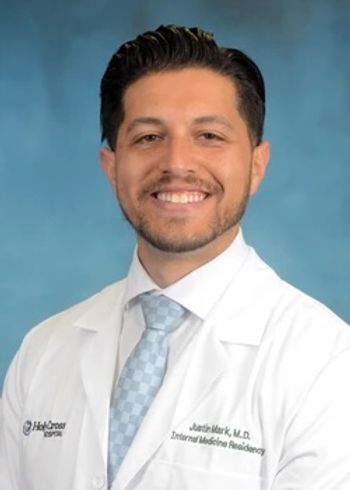
Justin Mark, MD, discusses an analysis of the FIGHT trial looking at racial and ethnic differences in heart failure outcomes.

Jose Lopez, MD, discusses findings and perspective into racial and ethnic differences in DbCM from the ARISE-HF trial.

Intravenous iron supplementation was safe but showed mixed improvement in cardiovascular outcomes in the FAIR-HF2 trial at ACC.25.

Dapagliflozin lowered the incidence of all-cause death or worsening of heart failure versus standard care in the DapaTAVI trial at ACC.25.

A secondary analysis of FINEARTS-HF found consistent efficacy of finerenone on heart failure events and cardiovascular death, irrespective of AF status.
If approved, this indication targets the treatment of adult patients with heart failure with a left ventricular ejection fraction of ≥40%.

The novel controlled metabolic accelerator significantly reduced fat-specific body weight but showed no improvements in exercise capacity over 19 weeks.
This FDA News Month in Review provides a round-up of regulatory decisions from February 2025.

Finerenone reduces outpatient worsening HF in patients with mildly reduced or preserved ejection fraction in a secondary analysis of FINEARTS-HF.

Iron deficiency was more common in acute versus chronic heart failure, with notable differences in detection by numerous recommended definitions.

Meta-analysis suggests iron therapy lowers the risk of heart failure hospitalization and cardiovascular death in patients with chronic kidney disease.
Advertisement
Advertisement
Trending on HCPLive
1
Tilrekimig Meets EASI-75 Goal in Atopic Dermatitis, With Eric Simpson, MD
2
Tips on Optimizing HS Biologics, Combinations, and Surgery
3
FDA Approves Once-Monthly Subcutaneous Olanzapine for Schizophrenia
4
FAQ: ASH's New Ferritin Thresholds, With Jacquelyn Powers, MD, MS
5