




Heart Failure
Latest News

Advertisement
Latest Videos





CME Content























































Advertisement
More News

Patients of both sexes and differing levels of LVEF reported similar reductions in NT-proBNP when treated with the combination therapy, versus lone valsartan.

New secondary analsysis from the large-scale heart failure trial shows continued benefit of the SGLT2 inhibitor.

A heart failure and transplant cardiologist assesses the new study findings.

A board member of the college highlights 4 highly anticipated trials coming out of ACC 2020.

New VICTORIA findings show the novel therapy may reduce risk of severe outcomes among high-risk patients with HFrEF.

A study’s proposed findings of increased coronavirus risk shows how presenting half of a fact can influence our care during a pandemic.
How cardiovascular experts have been communicating with international colleagues to inform local care response.
An ACC board member explains the major cardiology college's decision to move the meeting online during the COVID-19 pandemic.

The Mount Sinai expert and ACC late-breaking presentation panelist highlights her most anticipated trial data and discussions in the upcoming meeting.

Muthiah Vaduganathan, MD, MPH, discusses how research of the add-on drug class will continue to evolve into 2021.
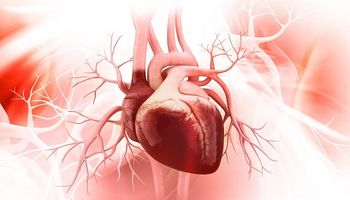
A new review from investigators at Columbia University details topics from common comorbidities to potential treatments.

New data from ACC.20/WCC indicates low birth weight in infants could indicate mothers who are at increased risk of heart failure later in life.

How will heart valve options refine and progress over the coming year?
A discussion with a Brigham and Women's Hospital cardiologist on the research of the add-on cardiometabolic drug class.

The document, which includes 11 clinical competencies for NPs and PAs, is the first of its kind from the American College of Cardiology.
The author of the first systematic evaluation of commissural alignment in TAVR shares his team's findings.

About 1 in every 20 adult Americans now reguarly uses vaping and e-cigarette products.
New research from ACC.20/WCC suggests taking statins before initiating chemotherapy with anthracycline or trastuzumab could reduce treatment-associated cardiotoxicity.

A study from EPI Scientific Sessions 2020 is shedding light on the prevalence of certain risk factors among black ethnic groups compared to their white counterparts.

A Mayo Clinic analysis is shedding light on the real-world success of ablation in lowering risk of mortality and HF hospitalizations.

The approval allows Zynex to market CM-1500, a blood monitoring system aimed at helping doctors monitor various patient parameters.

Results of the LINK-HF study indicate a wearable sensors from Vital Connect combined with a predictive algorithm can predict HF exacerbations.
A look back on the biggest discussions of the 29th Annual Cardiovascular Conference in Beaver Creek, CO.

A fourth-year medical student offers perspective on a study examining machine learning models being presented at CCC 49 in Orlando, FL as part of HCPLive's Notes from Rounds program.

Findings of a recent study may help providers make more informed treatment recommendations for patients with reduced blood flow.
Advertisement
Advertisement
Trending on HCPLive
1
Tilrekimig Meets EASI-75 Goal in Atopic Dermatitis, With Eric Simpson, MD
2
Tips on Optimizing HS Biologics, Combinations, and Surgery
3
FDA Approves Once-Monthly Subcutaneous Olanzapine for Schizophrenia
4
Why "Normal" Ferritin Can Miss Iron Deficiency, With Jacquelyn Powers, MD, MS
5