


Heart Failure
Latest News
Advertisement
Latest Videos
CME Content























































Advertisement
More News

Hospital costs, length of stay, and even mortality were shown to be significantly cut in TAVR patients with comorbid heart failrue than those without, new data shows.
By doubling the recommended weekly dialysis, patients see a number of benefits, including a reduction in blood pressure and improvements in cardiovascular vibration.
The headline drug class has been quickly added to cardiologists' toolsets, amid more and more phase 3 data.
Despite an embrace of greater patient populations by the FDA, cardiovascular research into stem cell therapy has been slow and burdened.
How do a pair of burgeoning agents influence endocrinology and renal outcomes in cardiovascular care?

In a presentation at the annual HFSA meeting, investigators compare the level of care and ultimate outcomes treating heart failure patients for cardiologists and non-cardiologists.
As safety and efficacy programs advance, clinicians consider the investigative therapy's potential in cardiology.
At the annual HFSA meeting, investigators explain how obstructed sleep apnea and central sleep apnea drive cardiovascular disease.
A new study shows just more than 55% of all heart failure-based trials on ClinicalTrials.gov have shared results since 2008.

Investigators report findings no significant associations between BP control and cardiovascular mortality in patients from differing race/ethnicities with HF, stratified by hypertension treatment.

A post hoc analysis of TOPCAT shows older patients with HFpEF report consistent efficacy with spironolactone, but worsening safety outcomes.
Lab tests confirm low levels of NDMA in the popular heart burn medication, sparking a probe in the US and Europe.

Prior to the start of HFSA, Dr. Murray dives through how the extensive history of heart failure research has lead to today's greatest cardiovascular breakthroughs.
Through clinical trials, investigators find that SGLT2 inhibitors are not only safe, but have several cardiovascular benefits.

Initial PCSK9 inhibitor plus statin therapy helped hospitalized patients achieve LDL-C
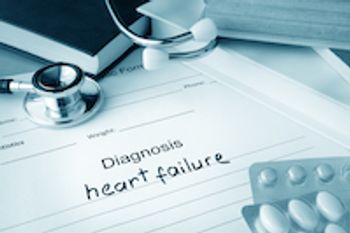
A recent study found that county-level poverty prevalence correlated with both heart failure and coronary heart disease mortality rates.
Investigators find that opening all blockages with stents is more beneficial after a heart attack than targeting just the clogged artery causing the event.

New findings from the THEMIS trial show patients with stable coronary artery disease and type 2 diabetes mellitus face major bleeding risks from the combination regimen.

Results of the DAPA-HF study — presented at the ESC Congress 2019, reveal use of dapagliflozin reduce hospitalizations from heart failure and deaths from cardiovascular causes in patients with heart failure with reduced ejection fraction.
Results of the PARAGON HF study, which were presented at ESC Congress 2019, reveal no significant benefit of sacubitril-valsartan compared to valsartan for heart failure with preserved ejection fraction in more than 4,500 patients.
An updated list of guidelines recommends using catheter ablation to treat supraventricular tachycardia.
The SGLT-2 inhibitor is seeking an additional indication for primary renal outcome prevention in patients with or without type 2 diabetes.
A primary investigator-led discussion will tap into how invasive procedures have become more embraced in US cardiology.
Results of the PolyIran study, which examined more than 6000 patients, found that use of a polypill reduced the risk of major cardiovascular events.

A recent analysis of the Asian Sudden Cardiac Death in Heart Failure registry found that type 2 diabetes mellitus was associated with structural changes of the heart and poorer quality of life.
Advertisement
Advertisement
Trending on HCPLive
1
Tilrekimig Meets EASI-75 Goal in Atopic Dermatitis, With Eric Simpson, MD
2
Tips on Optimizing HS Biologics, Combinations, and Surgery
3
FDA Approves Once-Monthly Subcutaneous Olanzapine for Schizophrenia
4
Why "Normal" Ferritin Can Miss Iron Deficiency, With Jacquelyn Powers, MD, MS
5