























































Heart Failure
Latest News

Advertisement
CME Content
Advertisement


Recently new therapy options are becoming more evidenced by the day. But have they reached their fullest potential?
The Acticor and Rivacor brands from BIOTRONIK have become the smallest, slimmest 3 Tesla MR-conditional CRM devices on the US market.
Originally approved in 2013, the MitraClip is now approved for treating certain cases of secondary mitral regurgitation.
Recalls on Diovan (valsartan) began last July when the FDA detected trace amounts of a probable carcinogen in certain lots of the blood pressure drug.

The investigators also examined patients who had 3 or more injections in the year prior to their cardiac event.
The CAROLINA cardiovascular safety study found that linagliptin was non-inferior to glimepiride in time to a composite cardiovascular endpoint.

Since 2016, the health system has practiced a heart failure readmission reduction program that's improving patient quality of life.

Investigators suggest the findings mean anticoagulants or antiplatelets could potentially treat migraine patients with aura.

Heart patients discharged from the hospital with an opioid prescription were less likely to participate in planned follow-up care than those without prescribed opioids.

About 1 in 7 heart failure patients have COPD, which can lead to a 30% increase in risk of hospitalization and death.
This past year came with a multitude of new FDA approvals for antiretroviral therapies as well as research highlighting HIV and various comorbidities.
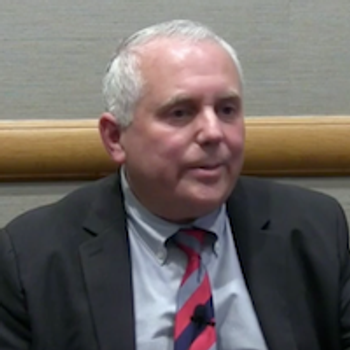
The seemingly complicated maneuvers of getting patient’s cholesterol better can be resolved with common sense. What’s best for the patient?

Since the PCSK9 inhibitors were approved for cholesterol management by the FDA in 2015, they have been frequently compared.
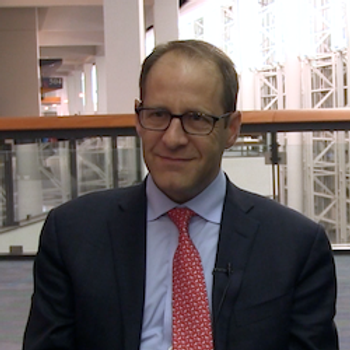
Wiviott, senior investigator of the DECLARE-TIMI 58 trial, says that SGLT2 inhibitors and GLP-1 receptor agonists are changing the paradigm of how clinicians manage diabetes and cardiovascular risk.

A new study found the annual top-50 ranking is a reliable indicator of cardiovascular disease mortality and patient satisfaction.

Topline data shows that the diabetes medication is non-inferior to placebo with regard to a composite outcome of major adverse cardiovascular events.

Investigators have found that lowering LDL cholesterol may not be the only way to reduce cardiovascular events—reducing inflammation may be the key to improving outcomes.
Using relevant clinical trial data, investigators created a price tag of about $6300 annually for the very effective, often costly inhibitor.

James Januzzi, MD, discusses trial results from the PIONEER-HF trial and what cardiologists and hospitalists should know about sacubitril-valsartan.
The study showed noninferiority with relation to major adverse cardiovascular events and a reduction of heart failure, though no difference in cardiovascular death compared to placebo. There appear to be renal benefits to dapagliflozin as well.

Investigators have found a pair of increased biomarker levels indicate patients with AF are at a greater risk of neurodegeneration.

When compared with enalapril, in patients with acute decompensated heart failure, sacubitril–valsartan led to greater reduction in N-terminal pro–B-type natriuretic peptide (NT-proBNP), and reduced re-hospitalization for heart failure, and was well tolerated.
Advertisement
Advertisement
Trending on HCPLive
1
Tilrekimig Meets EASI-75 Goal in Atopic Dermatitis, With Eric Simpson, MD
2
Tips on Optimizing HS Biologics, Combinations, and Surgery
3
FDA Approves Once-Monthly Subcutaneous Olanzapine for Schizophrenia
4
Why "Normal" Ferritin Can Miss Iron Deficiency, With Jacquelyn Powers, MD, MS
5