























































Older people adhering to the antioxidant-rich diet were less likely die from cardiovascular conditions when exposed to greater ambient air pollution.
Older people adhering to the antioxidant-rich diet were less likely die from cardiovascular conditions when exposed to greater ambient air pollution.
Lokelma is approved for the treatment of hyperkalemia, which is characterized by elevated potassium levels often associated with cardiovascular, renal, and metabolic diseases.
The FDA had issued a Class I recall of the MindFrame Capture LP device.
Patients treated with dabigatran following myocardial injury after noncardiac surgery were 20% less likely to die of a cardiovascular cause.
Patients who abused substances reported significantly greater cardiovascular and all-cause mortality risk from type 1 MI — despite also reporting lower risks for traditional factors.
The benefit for patients without diabetes was +0.3 ml/min/1.73 m2 per year and for those with concurrent diabetes, the benefit was doubled to +.06 ml/min/1.73 m2.
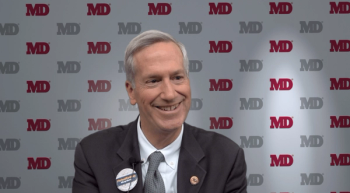
Hadley Wilson, MD, spoke about the new heart failure guidelines and how the ACC is attempting to make them more technologically available, as well as the ACC's efforts to connect with cardiologists on a more worldwide scale to help improve cardiac outcomes globally.
Physical and social improvements were observed in the 8-month visit, but importantly, were sustained in the 3-year follow-up period.
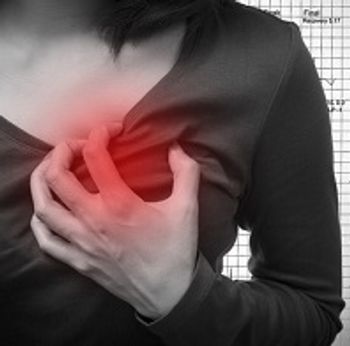
The rate comes in spite of the fact that women are more likely to report more heart attack-associated symptoms, and to have been treated for such symptoms previously, than men.
Depressed elderly patients undergoing SAVR or TAVR had a 7.3% higher rate of mortality compared to non-depressed patients.
Renova Therapeutics is planning a 536-patient phase 3 trial, FLOURISH, to begin in early 2018.
Medtronic’s Azure XT MRI and Azure S MRI pacemakers improved longevity by 27% compared to available predecessors.

New evidence suggests the program has reversed a decades-long trend of reduced HF mortality.
The HVAD System, a left ventricular assist device, assists patient’s hearts in pumping and increasing blood flow through the body.
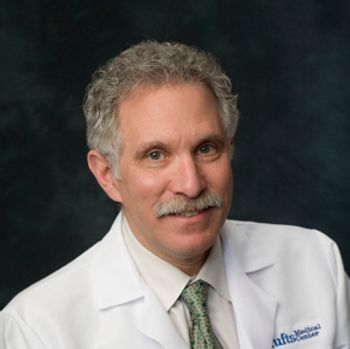
The sc2Wear Infusor allows the opportunity to deliver furosemide subcutaneously and at home, to keep HF patients in need of diuresis out of the hospital.

The ROPA-DOP trial showed that low-dose dopamine had an insignificant impact on patient renal function, nor a significant trend toward greater diuresis.
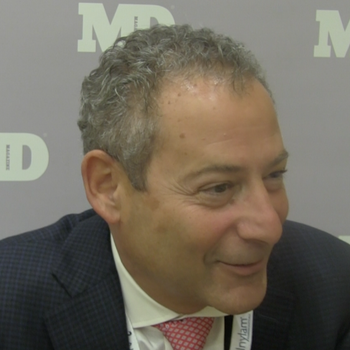
Scott Solomon, MD, and Alvin Chandra, MD, discuss the findings of the PARADIGM-HF and QoL trial, and sacubitril's effect on HF patients quality of life.
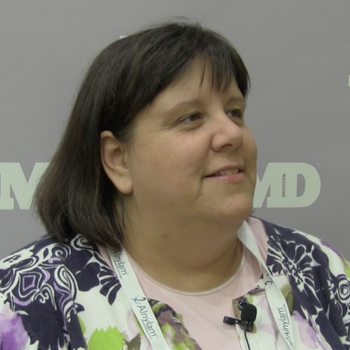
Lisa Rathman, MSN, of Lancaster General Hospital, discusses the benefits of subcutaneous furosemide in nursing homes and facilities outside the hospital.
Gregg Fonarow, MD; David Aguilar, MD; Rob Mentz, MD; and James Januzzi, MD, discuss the unexpected and exciting use of SGLT-2 inhibitors to treat heart failure.
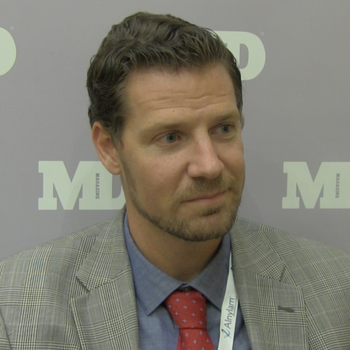
Rob Mentz, MD, of Duke University Medical School, discusses the CANVAS trial and the pursuit of using SGLT-2 inhibitors to treat heart failure.
Despite the results of a large-scale trial, some experts questioned the use of beta-blockers for patients that suffered from heart failure and simultaneous AFib when in the presence of beta-adverse medications, like amiodarone.