


























































Anil Asgaonkar, MD, provides an overview of the signs, symptoms, and causes that are frequently associated with hyponatremia, and outlines several standard treatment approaches.
Anil Asgaonkar, MD, provides an overview of the signs, symptoms, and causes that are frequently associated with hyponatremia, and outlines several standard treatment approaches.
Is one beta blocker better than another for patients born with long QT syndrome? In a report published in The Journal of the American College of Cardiology, Abeer Abu-Zeitone, PhD, and colleagues found that in their study group, nadolol worked best at preventing a recurrent serious cardiac event and that propranolol, the oldest beta-blocker available, did the worst.

Preliminary research suggests that optogenetics could eventually replace electric shocks in the treatment of atrial fibrillation.

Left untreated or inadequately treated, syphilis may cause tertiary cardiovascular disease, one form of which is syphilitic aortitis.

Researchers at Wake Forest Baptist Medical Center have released a study showing the potential of a dangerous interaction between a common supplement and prescription medication.
A retrospective cohort study of Medicare beneficiaries hospitalized for heart failure with a left ventricular ejection fraction between 30-35% found improved 3-year survival rates among those who received a prophylactic implantable cardioverter-defibrillators compared to those with no ICD.
A study published in BMJ explains the long-term risks of opioid treatment in the postoperative setting.

The FDA's Cardiovascular and Renal Drugs Advisory Committee convenes today to discuss serelaxin after reviewers recommended against the approval of the heart failure drug.

Stressing the significant effect heart failure has on quality of life, a study published in Heart found that patients' and their families' lack of knowledge on their condition causes delays in seeking medical attention and an absence of a long-term care plan.
Hyponatremia must be managed with care, especially in patients with chronic severe illness, due to the unpredictable nature of tolvaptan to raise serum sodium levels.
Do mandatory follow-up visits after discharging heart failure patients decrease rehospitalizations?
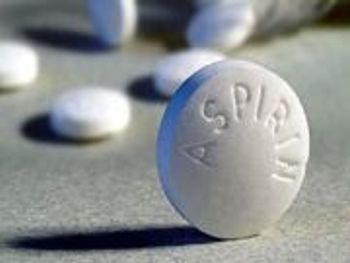
Although there appears to be no difference in blood pressure reduction in patients who take aspirin at bedtime compared to those who take it when they awake in the morning, bedtime aspirin may be associated with reduced morning platelet reactivity.
Patients with heart failure who received left ventricle augmentation with Algisyl-LVR hydrogel implant experienced improved quality of life and functional capacity compared to similar patients treated with optimal medical therapy.

Study results presented at CHEST 2013 show that patients given beta-blockers may actually be at increased risk of having an adverse cardiac event during a noncardiac surgical procedure.

Study finds hyponatremia is an independent predictor of increased mortality, length of hospital stay, and postoperative complications in patients who undergo cardiac surgery.
Approved by the FDA nearly four years ago, Otsuka Group's once-daily Samsca (tolvaptan tablets) is indicated to raise serum sodium levels in nonurgent patients with hyponatremia.
Results from the RELAX-AHF show serelaxin reduces cardiovascular deaths and improves symptoms in patients with heart failure.
Results from a substudy of the PLATO trial show that patients with extensive CAD and high rates of recurrent cardiovascular events, death, and bleeding may benefit from treatment with ticagrelor.
Results from a sub-study of the Trial to Assess Chelation Therapy (TACT) that focused on quality of life issues in patients who had previously suffered a heart attack and were treated with chelation therapy reveal no improvements in these patients' quality of life.
Experts at Kidney Week 2012 discuss several treatment options for hyponatremia, including fluid restriction, loop diuretics, and the use of selective vasopressin V2-receptor antagonists.

Tolvaptan appears to have both clinical and economic benefits for heart failure patients with hyponatremia, reports a new study.
Dr. Marrick Kukin discusses heart failure recommendations, the role of the PCP in the diagnosis, and major myths related to heart failure.

Senators reintroduce legislation to ensure that heart disease, stroke, and other cardiovascular diseases are better treated in women.
The American Heart Association recently released the 2011 update to its cardiovascular disease prevention guidelines for women.