


























































A recent study of more than 12 million people from 10 countries found that the risk of heart failure associated with diabetes was greater in women than in men. 


A recent study of more than 12 million people from 10 countries found that the risk of heart failure associated with diabetes was greater in women than in men. 



A new study links high levels of high‐sensitivity cardiac troponin T and N‐terminal pro‐B‐type natriuretic peptide to an increase in fall risk for geriatric adults.

A recent analysis of the IMPROVE-IT results found that simvastatin-ezetimibe was associated with greater reductions in LDL-C and lower rates of MI, stroke and CVD than simvastatin monotherapy.
Why a revised recertification strategy would be beneficial for practicing internists and cardiologists.
Over time, clinicians have come to understand the most optimal use of the limited technological resources they have.

How the institution has become involved in regional health education efforts, and national efforts to establish proper care protocol.
Why limited educational resources and a diverse population has made the region an area burdened by heart disease.
Eli Lilly Co. and Boehringer Ingelheim Pharmaceuticals Inc. announced that empagliflozin (Jardiance) has received a Fast Track designation from the FDA.

A recent study found that an additional 2 hours per day of TV viewing time is linked to a 50% increase in a person's risk of cardiovascular events and death.

Recent analysis of 3 trials found that CERT2 showed comparable and synergistic predictive performance when compared with previously published CVD risk models.
Survey of 3000 found that more than half of all respondents wish they knew more about heart failure but just 1 in 5 were likely to speak with their doctor out of fear of diagnosis or cost.

A recent study from investigators at Michigan State University found that vitamin D supplementation was not associated with reduced risk of major cardiovascular events.

An analysis of 7 trials examining cardiovascular outcomes of study drugs found that concomitant insulin use increased a patient’s risk of severe cardiovascular outcomes.

An analysis of results from the EXSCEL trial has suggested that exenatide with SGLT2 inhibitors may reduce major cardiovascular events and improve renal health.

Type 2 diabetes patient outcomes including heart failure, stroke, and myocardial infarction were weighed between the 2 popular drug classes.

A decision for icosapent ethyl's sNDA is not expected to come from the FDA until September, but excitement surrounding the drug is at all-time high.
The longest clinical assessment of a GLP-1 receptor agonist for cardiovascular outcomes showed a 12% decrease in MACE versus placebo.

An age-stratified analysis of Swedish national registry data found that myocardial infarction and heart failure rates may even be more prevalent in patients with T1D.
A study of more than 74,000 in China from 2006 to 2015 found that cardiovascular health scores are associated with subsequent risk of CVD events.

Why are major adverse cardiovascular events not treated as the concern risk factors they are in patients with obstructive sleep apnea?
How wearable devices and their massive patient pools have created a balancing act between mass patient arrhythmia data collection and individualized care.
How does a cardiologist balance the benefits of invasive care with the patients' interest in non-invasive measures?
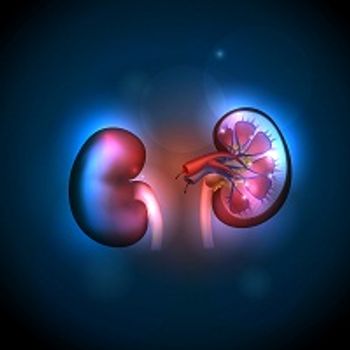
A healthy plant-based diet can reduce a person's risk of developing CKD by 14% and can also help slow the decline of kidney function, according to a new study.

New COMMANDER HF post hoc data shows more evidence the blood-thinning therapy has some effect on potentially deadly cardiovascular events.
The Apple Watch-friendly platform is the first cleared by the FDA to detect and report the 3 common arrhythmias, including atrial fibrillation.