




Heart Failure
Latest News
Advertisement
Latest Videos







CME Content























































Advertisement
More News

African Americans are more greatly burdened by the cardiovascular condition and its common comorbidities. Are new therapies able to help?

The Biovitals Analytics Engine is able to read physiology signals to allow doctors to change the trajectory of disease weeks in advance.
Its approval was based on findings from the limited assessment of pediatric patients in PANORAMA-HF, showing reduction of a cardiovascular biomarker.

The diabetes management and adult health specialist reacts to the SGLT2 inhibitor's newest indication.

A study from cardiologists at UPMC Children's Hospital of Pittsburgh examining changes to criteria in 2016, which aimed to improve mortality rates among pediatric candidates for heart transplantation, found rates have worsened for certain conditions.

While better therapies exist to treat patients with heart failure with reduced ejection fraction, there are several hurdles preventing them from being implemented.

Doctors need to use their best judgement when deciding when to use cardiogenic shock devices for temporary mechanical support.

A new American Heart Association and National Institutes of Health-sponsored study found that use of a polypill reduced cardiovascular risk in a low-income population in Mobile, Alabama.

How recent trends in heart failure research have shown more priority to patient quality of life outcomes.
How does the broadened sacubitril/valsartan assessment influence the treating confidence of a clinician?

Shaquille O'Neal, EdD, and Elizabeth Ofili, MD, discuss how organizations and physicians are taking novel approaches to engage patients and non-patients about heart failure.

New findings from the trial show daily adherence to the fluid monitoring ReDS system dropped HF patient readmission risk by 58%.
Shaquille O'Neal and Elizabeth Ofili, MD, sit down to discuss Shaq Gets Real, which is a new campaign from Arbor Pharmaceuticals to increase awareness of the disparities in heart failure rates in the African American community.

After success in a recent clinical trial, dapagliflozin will soon be available to reduce the risk of heart failure in adults with heart failure reduced ejection fraction or preserved ejection fraction.
Elizabeth Ofili, MD, discusses the importance of annual meetings, such as HFSA 2019, for outreach and engaging patient populations about heart failure.

At the annual meeting dedicated to heart failure, investigators present nutritional recommendations for patients, which includes dietary consultations, bariatric surgery, and a reduction in saturated fats and sodium.
Shaquille O'Neal, Ed.D, and Elizabeth Ofili, MD, discuss using unconventional mediums to engage non-patients and spread awarness of heart failure — specifically in African Americans.

A proof of concept trial examining spironolactone for heart failure prevention presented at HFSA 2019 found spironolactone use did reduce PIIINP or that its impact on PIIINP was mitigated by galectin-3.

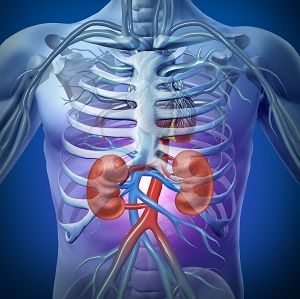
There are many options to treat heart failure for patients suffering from end stage kidney disease.

Results of the AMBER study, presented at HFSA 2019, found that patiromer can help improve spironolactone use while also reducing the prevalence of hyperkalemia.
While the benefits are clear, there are still some hurdles that remain preventing an increase in suggested dialysis frequency.
What was learned from the newest data for sacubitril/valsartan for HFrEF?
Advertisement
Advertisement
Trending on HCPLive
1
Tilrekimig Meets EASI-75 Goal in Atopic Dermatitis, With Eric Simpson, MD
2
Tips on Optimizing HS Biologics, Combinations, and Surgery
3
FDA Approves Once-Monthly Subcutaneous Olanzapine for Schizophrenia
4
Why "Normal" Ferritin Can Miss Iron Deficiency, With Jacquelyn Powers, MD, MS
5