



Inflammatory Bowel Disease
Latest News
Advertisement
Latest Videos






CME Content



























































Advertisement
More News

Expert gastroenterologists delve into the concept of transmural healing as a treatment target for both ulcerative colitis and Crohn's disease, sharing insights on their preferred timeframes for reassessing treatment progress, monitoring methods, and the effectiveness of intestinal ultrasounds in the management of these conditions.
The June 2024 gastroenterology month in review highlights FDA news and other pipeline developments in GI as well as the publication of the latest installment of Qazi Corner.

Findings from a post hoc analysis of True North and its open-label extension highlight ozanimod’s rapid onset of action and durability in advanced therapy-naive patients with UC.

Loftus explains the significance of IL-23 and Th17 in IBD and key trial data supporting the FDA approval of risankizumab in ulcerative colitis.

Positive topline results showed guselkumab (Tremfya) SC induction therapy met all primary and secondary endpoints, suggesting similar clinical benefit to IV induction seen in GALAXI.
The approval is based on data from a pair of phase 3 studies and makes risankizumab-rzaa the first IL-23 specific inhibitor approved for both ulcerative colitis and Crohn’s disease.
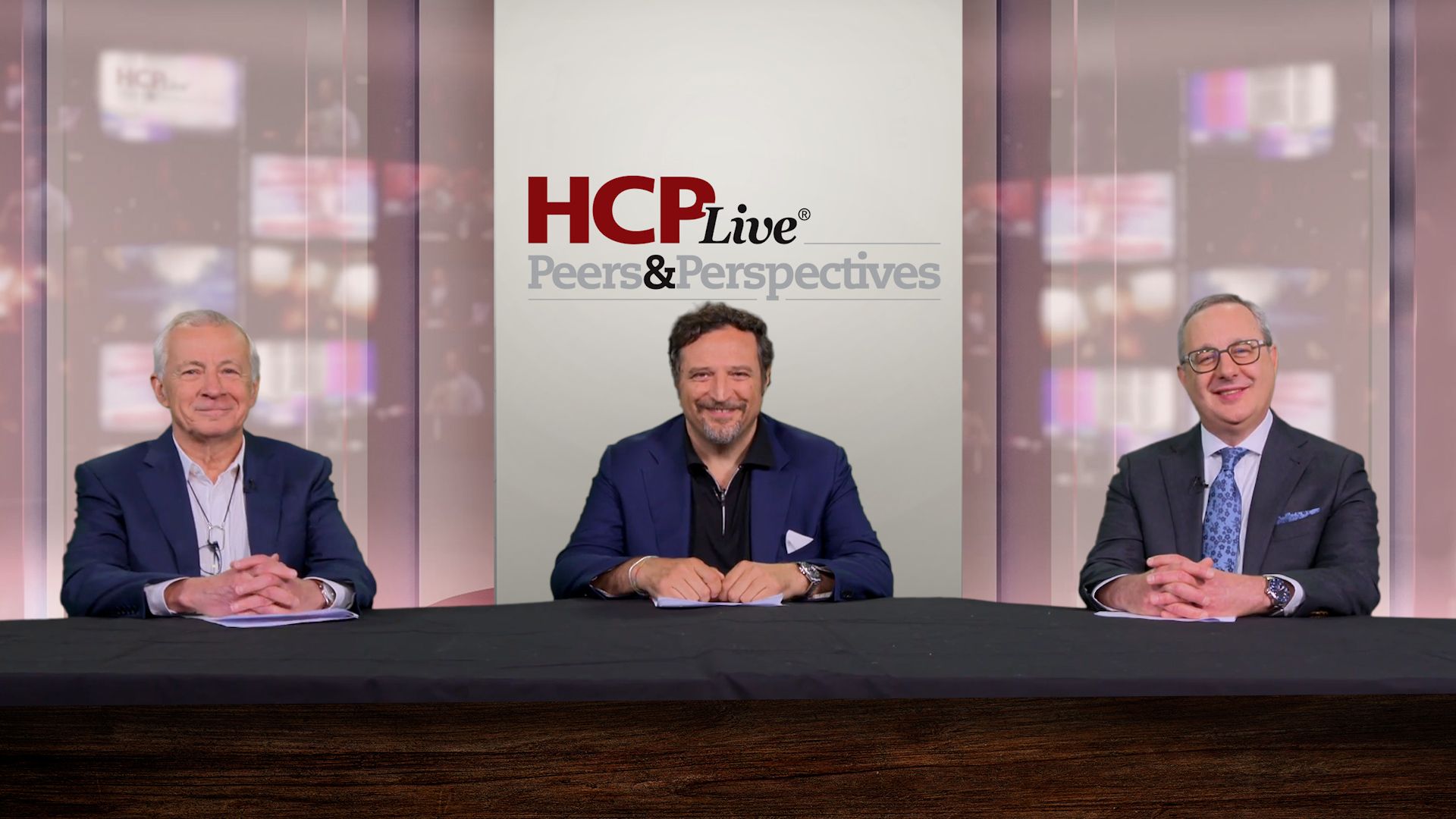
Silvio Danese, MD, PhD; Bruce Sands, MD, and Jean-Frederic Colombel, MD, discuss their preferred recommended targets for managing ulcerative colitis (UC) or Crohn's disease (CD), emphasizing the aggressive approach required to achieve these targets effectively.
Medical experts in inflammatory bowel disease (IBD) define the concept of "treat-to-target" within the context of IBD and provide current recommendations on treatment targets for ulcerative colitis and Crohn's disease, the two main forms of IBD.

Qazi discusses implications from a recent study exploring the impact of post-IPAA cuffitis on long-term pouch outcomes and the risk of developing strictures and fistulas.
The May 2024 gastroenterology month in review spotlights top research from Digestive Disease Week 2024 and the FDA approval of ColoSense.

Sands reviews key findings from the phase 3 VIVID-1 study of mirikizumab in Crohn’s disease presented at DDW.

In honor of World Digestive Health Day, this feature examines the growth of intestinal ultrasound in IBD care in the US and how it aligns with STRIDE-II guidance.

Intestinal Ultrasound’s Value for Assessing Disease Activity in IBD, with Noa Krugliak Cleveland, MD
Krugliak Cleveland explains findings from research she presented at DDW comparing intestinal ultrasound and conventional approaches to disease monitoring in IBD.

Panaccione explains findings from GALAXI 2 and GALAXI 3 demonstrating guselkumab’s superiority to ustekinumab in Crohn’s disease, presented at DDW.
Both doses of guselkumab exhibited statistical superiority on all prespecified pooled endoscopic endpoints versus ustekinumab in Crohn's disease.

The phase 3 QUASAR Maintenance study met its primary endpoint of clinical remission and demonstrated statistically significant endoscopic remission rates in UC treatment.

Sehgal explains the safety and efficacy of GLP-1RAs in patients with IBD as well as the impact on inflammatory biomarkers.

Damas explains key findings from her pilot study exploring intervals of a low-calorie plant-based diet as adjunctive therapy to medication in patients with ulcerative colitis.

Dolinger reviews findings from his research presented at DDW about the use of intestinal ultrasound response for predicting endoscopic outcomes in children with UC.

TNF-α levels in the sweat correlate with serum values in patients with IBD, suggesting the wearable's feasibility in non-invasive disease monitoring.
Damas explains what inspired her research about the impact of a low-calorie plant-based diet on clinical response to medication in patients with ulcerative colitis.

The MyGut digital health monitoring platform proves feasible and impactful during integration into inflammatory bowel disease care.

Dubinsky explains the disconnect between patients with Crohn disease and health care providers regarding the impact of and importance of addressing bowel urgency.
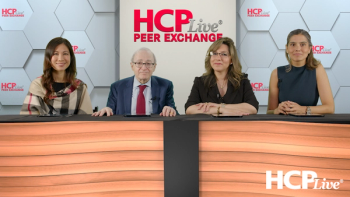
Experts discuss the warnings regarding IL-17 blockers and inflammatory bowel disease.

Incident use of anti-TNF therapy was linked to an increased risk of kidney function decline but not all-cause mortality in patients with newly diagnosed IBD.
Advertisement
Advertisement
Trending on HCPLive
1
Half-Life vs. Real Life: How Real-World Evidence Is Reframing Wet AMD Treatment
2
FDA Grants Priority Review for Insmed's ARIKAYCE sNDA for MAC Lung Disease
3
The HCPFive: Top News for Healthcare Providers from the Week of 09/13
4
When Innovation Builds Clinical Confidence: Evaluating Treatment Options in Hemophilia A
5