

























































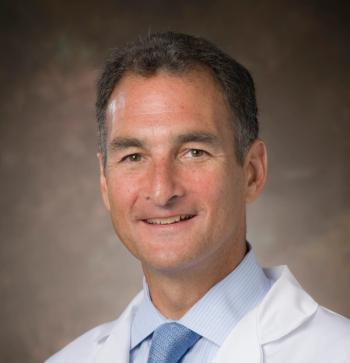
Dr. Gerald Shulman discusses how diabetes can eventually be reversed.
Dr. Gerald Shulman discusses how diabetes can eventually be reversed.
By addressing insulin resistance, researchers believe they can reduce the comorbidities associated with type 2 diabetes.
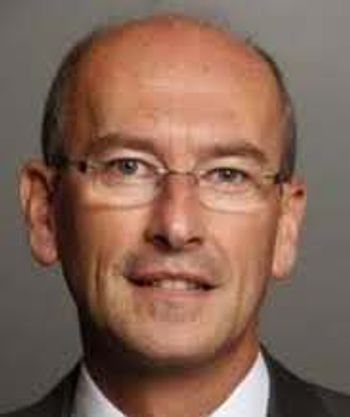
Dr. Giorgino discusses how combining SGLT2 Inhibitors and GLP-1RA could be combined for treating type 2 diabetes.
More studies are planned testing the impact of finerenone.
Finerenone could be another option to SGLT2 inhibitors for this patient population.
The indication comes from collaborative work among experts and community leaders coordinated by the Oxalosis & Hyperoxaluria Foundation and the Kidney Health Initiative.

A week-long treatment program prevented HCV transmission in 88% of cases.
New phase 1 data show the first-in-class oral therapy is not affected by the burden on metabolism via hepatic or renal disease.

In data presented during Kidney Week, researchers find the risk of developed an acute kidney injury increased in both sickle cell trail and sickle cell disease patients.

The absolute SCr criterion correlated better with all-cause mortality than the relative increase in serum creatinine.
Length of stay, cost, and the mortality rate all increase among patients with chronic kidney disease compared to patients who do not suffer from CKD.

Dr. Kliger discusses how nephrologists can safely treat patients this winter.

The investigators also found the effects of dapagliflozin were similar in patients with type 2 diabetes and those without type 2 diabetes.
Nephrologists have used telemedicine tools to help treat patients during the pandemic.
A high proportion of end-stage kidney disease patients have suffered severe COVID-19 outcomes.
The highest suPAR tertile was linked to a 9.15-fold increase in the odds of an acute kidney injury.

Lanthanum is commonly prescribed to CKD patients to help reduce the risk of bone and cardiovascular disease.

This article is the second in a series of four articles exploring the epidemic of liver disease called nonalcoholic fatty liver disease and its more severe form, nonalcoholic steatohepatitis.

Of the 2199 patients who received a renal transplant, only 8 were treated for active tuberculosis.

For patients without diabetes, low serum bicarbonate and higher high sensitivity troponin T, NTproBNP, and urine NGAL were linked to a higher risk of the composite outcome.

Racial and ethnic disparities did not substantially improve between 2005-2015 for patients with end-stage kidney disease.

Antithrombotic agents caused 34% of serious adverse drug reactions identified in the study.
Tricida will meet with the FDA in an attempt to provide more data for the treatment of patients with chronic kidney disease.

There were no differences found in pulse wave velocity, augmentation index, or physical function between patients who took vitamin K supplements and patients given a placebo.

Categorizing baseline SCr as the median value over the preadmission period could be the least biased estimate of the baseline renal function.