




























































This installment in our Unprevented series examines the growing impact of chronic kidney disease on public health and what those in the field are doing to mitigate this growing crisis.
This installment in our Unprevented series examines the growing impact of chronic kidney disease on public health and what those in the field are doing to mitigate this growing crisis.

Interim results from the phase 3 APPLAUSE-IgAN study showed a statistically significant reduction in proteinuria among patients treated with iptacopan compared to placebo.

Findings from a meta-analysis are calling attention to the viability of classification and risk stratification using greater albuminuria and decreased eGFR.

Among a cohort of young patients with no major comorbidity burdens, 49% were not waitlisted within 5 years of dialysis initiation.

Positive findings from NefIgArd demonstrated budesonide’s ability to modulate the intestinal immune network responsible for IgA production.

A 20-year analysis reveals over 25% of US adults have cardiac, renal, or metabolic conditions, with disparities in age and race.

Eli Lilly and Company and Boehringer Ingelheim announced the FDA approval of empagliflozin (Jardiance) for chronic kidney disease management on September 22, 2023.

Citing more than half a dozen major trials in the 2 years since the release of their 2021 heart failure guidelines, the European Society of Cardiology has released a focused update to their heart failure guidance.

Investigators identified a strong magnitude of association between MAFLD and risk of CKD based on the results of a comprehensive meta-analysis.

An analysis of data from CREDENCE provides insight into the prognostic potential of a group of 4 common biomarkers for predicting cardiovascular and kidney issues in people with type 2 diabetes.

CKD-aP patients receiving maintenance hemodialysis reported adverse clinical events in line with their pruritus severity and were found to be at greater risk of all-cause mortality, all-cause hospitalization, and cardiovascular events.

Phase 3 data show a significant clinical profile associated with durable reductions in IgA nephropathy biomarkers among patients treated with Nefecon.

In their latest column, Kim Zuber, PA-C, and Jane Davis, DNP, break down the concept of "sick day rules" and what this means for providers caring for those with kidney disease.

An analysis of real-world data provides an overview of the effects of GLP-1 receptor agonist and SGLT2 inhibitor use among adults with type 1 diabetes.

Using NHANES data, along with deidentified data from the Optum database, investigators estimate the prevalence of albuminuria testing among people with hypertension or diabetes as well as how the presence or lack of testing might influence prescription of CKD therapies.

A randomized trial of patients with kidney failure undergoing hemodialysis is underlining the importance of physical activity among this patient population.
From a novel acne cream to a breakthrough depression drug, a half-dozen agent decisions are coming through in the coming 6 months.

However, the presence of diabetic retinopathy was observed to have no significant impact on physical health and quality of life compared to subjects without retinopathy.
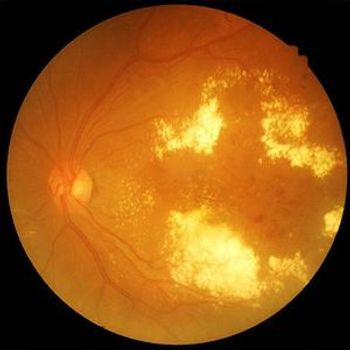
Diabetic retinopathy and microalbuminuria were associated with a significantly higher risk of hemodialysis induction in individuals with T2D.

Research presented at ADA 2023 suggests early glycemic screening in high-risk children may predict future diabetes-related complications, including retinopathy and nephropathy.

Diana Isaacs, PharmD, BCPS, BCACP, BC-ADM, CDCES, and Natalie Bellini, DNP, FNP:-BC, interview Dr Robert Busch, to explore the advantages of SGLT2 inhibitors in chronic kidney disease, cardiovascular health, and their potential to improve overall patient outcomes.

Gerald B. Appel, MD, discusses the changing treatment landscape of IgAN.
Anuja Java, MD, discusses the role of complement inhibitors in transplant patients with C3G.

In the phase 2b ORIGIN trial, atacicept resulted in a statistically significant reduction in mean proteinuria compared to baseline at week 24.
Carla M. Nester, MD, MSA, FASN discusses recent clinical trials on complement inhibitors for C3G.