





Obesity Management
Latest News
Advertisement
Latest Videos



CME Content






















































Advertisement
More News
MOMENTUM trial data shows pemvidutide reduced body weight by 15.6%, with 78.1% fat loss, highlighting the GLP-1/Glucagon receptor agonist's ability to achieve significant weight reduction and minimal muscle loss.
Details of an analysis from ADA 2024 compared matched cohorts from SURMOUNT-1 and SURMOUNT-2 to determine drivers of differences in weight loss from the trials.
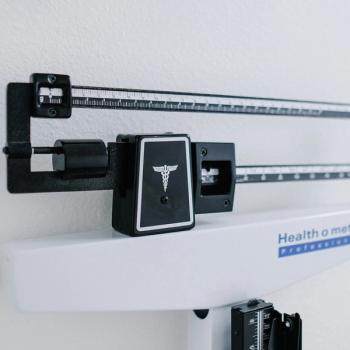
In retrospective, observational research at ADA 2024, real-world weight loss was linked to a reduction in the risk of obesity-related cancers.

Atul Malhotra, MD, discusses the results of the SURMOUNT-OSA trial and how they inform clinicians on the role of tirzepatide in OSA and obesity.
Tirzepatide reduces OSA severity by 30 events/hour and achieves remission in up to 51% of patients with obesity, per SURMOUNT-OSA study results from Eli Lilly and Company.
In this episode, hosts provide their audience with an overview of a pair of new studies on the topic of diabetes in pregnancy: the GLAM and CRISTAL studies.

New analysis from SURMOUNT-1 support the use of GLP-1/GIP agonist tirzepatide to reduce weight in patients with OSA and obesity/overweight.

Helen Colhoun, MD, discusses the results of a SELECT analysis she presented at the 61st European Renal Association Congress.
Semaglutide 2.4 mg reduces kidney events in SELECT participants, showing renoprotective effects in addition to cardiovascular benefits.

During AAPA 2024, a group of session presenters provide recommendations for the next year's agenda based on trends and development.

Peterson reviews the gastric and hormonal events linked to drugs like tirzepatide, before considering whether incretin therapies will help to finally embrace obesity as the medical condition it is.
With agents like semaglutide and tirzepatide becoming household drug names, Peterson discusses the short-term future of incretin drug development.

McIntyre explains why GLP-1/GIP receptor agonists like semaglutide may alter cognitive and psychiatric care similar to cardiometabolic disease.

Payal Kohli, MD, discusses how recent advancements have changed conversations surrounding modifiable cardiovascular risk and what it means for practitioners.

Contrary to previous research, findings point to similar decreases in weight and improvements in glucose homeostasis between time-restricted eating and usual eating pattern groups.

Lopez discusses the growing prevalence of obesity in the US and the need for improved, cross-specialty care based on patients’ metabolic health.

The American College of Physicians released new recommendations for the management of type 2 diabetes with inadequate glycemic control using metformin or other first-line therapies.
In this episode, hosts discuss the STEP HFpEF DM trial and the need for fair allocation of incretin-based therapies with ongoing shortages and overwhelming demand.

Topline data from the SURMOUNT-OSA studies provide insight into the effects of tirzepatide in OSA with obesity, with Lilly disclosing plans for a regulatory submission mid-year.

The STEP HFpEF DM trial at ACC.24 shows significant improvements in symptoms among patients with obesity-related HFpEF and diabetes mellitus.

A recap of the biggest FDA news and decisions in cardiovascular medicine from the first 3 months of 2024, with commentary on recent announcements by Deepak Bhatt, MD, MPH, MBA.
On March 07, 2024, Novo Nordisk provided updates on semaglutide 2.4 mg as well as the development programs cagrisema, monlunabant, and amycretin.
In our endocrinology month in review for February 2024, we are spotlighting trending studies and new data in endocrinology, the latest news surrounding tirzepatide, and a recap of the 4 episodes of our flagship endocrinology podcast launched during the last month.
In this episode, hosts are joined by SURMOUNT-2 principal investigator Timothy Garvey, MD, to discuss the approval of the tirzepatide for chronic weight management, data from the SURMOUNT-2, -3, and 4 programs, the future of incretin therapies, and more.

In this episode, hosts are joined by co-chair of the SELECT steering committee A. Michael Lincoff, MD, to discuss results, potential explanations for cardiovascular benefit beyond weight reduction, FLOW trial implications, and the future of incretin therapies.
Advertisement
Advertisement
Trending on HCPLive
1
From Injectable to Oral: Optimal Durable Clearance Across the IL-23 Class
2
Ritlecitinib Stabilizes Vitiligo in Tranquillo Trial, With Iltefat Hamzavi, MD
3
Advances in Treating High-Impact Psoriasis from EADV 2026
4
FDA Updates Sotatercept Label, ERS Releases PAH Guidelines Based on HYPERION Data
5