






Obesity Management
Latest News
Advertisement
Latest Videos

CME Content























































Advertisement
More News

Addressing isolation and loneliness indexes resulted in a decreased risk of all-cause mortality among individuals with obesity in the UK Biobank.

Weight cycling could lead to a relative loss of fat-free mass in people living with overweight and obesity at high risk of type 2 diabetes.
Following years of concerns about the stigmatization and inaccurate etiology of nonalcoholic fatty liver disease nomenclature, 2023 finally saw revised terminology for liver disease with the implementation of metabolic dysfunction-associated steatotic liver disease.

Phase 3 data show patients with obesity who maintained tirzepatide from weeks 36 to 88 continued significant weight loss versus patients switched to placebo.

Our November 2023 month in review for cardiology features highlights from AHA 2023, new atrial fibrillation guidelines, a pair of historic approvals from the FDA, and more!

In this column, Katherine Saunders, MD, of Weill Cornell Medicine, provides perspective on the approval of tirzepatide for chronic weight management and what it might mean for patient access in the future.
Retatrutide, an investigational triple-agonist therapy, may help resolve liver fat prior to progression to severe disease.

Investigators observe significantly greater 15-year survival rates after bariatric surgery among patients who achieve MASH resolution versus those who do not.
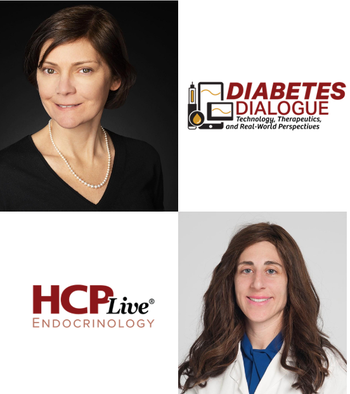
In this episode, hosts take a deep dive into the study’s results, including secondary endpoints, and what it means for the care of patients with overweight or obesity and preexisting cardiovascular disease in real-world settings.

Full data from the SELECT trial offer insight into the 20% relative risk reduction associated with use of semaglutide 2.4 mg in patients with overweight or obesity and preexisting cardiovascular disease at AHA 2023.
In this episode, hosts discuss the FDA's approval of tirzeptiade (Zepbound) as an adjunct to lifestyle modification for the chronic weight management in people with overweight or obesity.

Announced on November 8, 2023, the approval of tirzepatide(Zepbound) was awarded to Eli Lilly and Company and represents the first chronic weight management approval for a dual GLP-1/GIP receptor agonist.

Check out perspective from a pair of ASN Kidney Week 2023 interviews with leading trialists discussing the evolution of cardiovascular-kidney-metabolic syndrome and how pharmacotherapy has propelled the growing recognition.

In our October 2023 endocrinology month in review, our editorial team highlights regulatory updates, pipeline news, and conference data capturing the attention of the field during the month.
In this episode, hosts discuss the results of SURMOUNT-3 and SURMOUNT-4 as well as how it might help inform use of tirzepatide if approved by the US Food and Drug Administration for chronic weight management.

The 15 mg dose of tirzepatide was the most efficacious GLP-1 agonist for obesity management in patients without diabetes in a systemic review of data from MEDLINE and Embase databases.

Presented at Obesity Week 2023, SURMOUNT-3 provides new insight into the effects of tirzepatide in patients with overweight or obesity.

Prespecified analysis of STEP-HFpEF trial shows semaglutide benefits consistent across ejection fraction spectrum, offering potential HFpEF management.

GLP-1 agonists for weight loss increased the risk of pancreatitis, gastroparesis, and bowel obstruction compared with the use of bupropion-naltrexone.

A network meta-analysis suggests tirzepatide may be more effective than semaglutide in reducing HbA1c and body weight in type 2 diabetes but may increase gastrointestinal adverse events, especially at higher doses.

Data from a 4-year trial of preschool-aged children offers new insight into the effects of initiating obesity management strategies among children in early life.

An analysis of CDC data from 1999 to 2020 offers clinicians a snapshot of overall, and race-specific, trends in obesity-related cardiovascular disease deaths since the turn of the century.
Less than 2 weeks after the release of their SELECT reaction podcast, hosts Diana Isaacs, PharmD, and Natalie Bellini, DNP, sit down for a special edition episode of Diabetes Dialogue to discuss STEP-HFpEF data and the implications for semaglutide 2.4 mg.

Results of the STEP-HFpEF trial suggest use of semaglutide 2.4 mg (Wegovy) was associated with improvements in physical symptoms and functional status relative to placebo therapy in adults with HFpEF and obesity.

Using data and eligibility criteria from the STEP 1 trial, a California-based team estimates 93 million US adults met criteria for semaglutide 2.4 mg and use could prevent 1.5 million incident cardiovascular events over a 10-year period.
Advertisement
Advertisement
Trending on HCPLive
1
Ritlecitinib Stabilizes Vitiligo in Tranquillo Trial, With Iltefat Hamzavi, MD
2
From Injectable to Oral: Optimal Durable Clearance Across the IL-23 Class
3
Advances in Treating High-Impact Psoriasis from EADV 2026
4
FDA Updates Sotatercept Label, ERS Releases PAH Guidelines Based on HYPERION Data
5