




Obesity Management
Latest News
Advertisement
Latest Videos







CME Content























































Advertisement
More News

Schafer Boeder, MD describes the potential role and safety of adjunctive therapy, including SGLT2 inhibitors and GLP-1 agonists, for patients with T1D.

Real-world data from 18,710 MASH patients highlight the impact of comorbidities, biomarkers, and region on mortality, with 70% of deaths CVD-related.

Matthew J. Budoff, MD discusses the effects of obesity and cardiometabolic complications in the contemporary management of type 1 diabetes.

Elevated blood insulin levels and insulin resistance each contributed to an elevated risk of colorectal cancer, a new study finds.

Data from SURMOUNT-5, a head-to-head trial, demonstrate tirzepatide offered greater weight loss benefits than semaglutide.
Previous ASA guidance recommended holding GLP-1 RAs in the perioperative period, but new 2024 multisociety guidance suggests a risk-based approach.

Amgen’s MariTide achieved up to 20% average weight loss at 52 weeks without hitting a plateau in individuals with obesity or overweight.
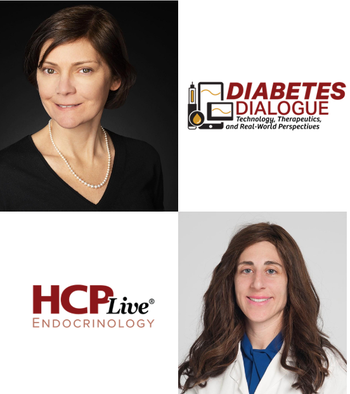
In this episode, hosts break down a pair of studies from AHA 2024, BPROAD and SUMMIT, as well as a study in JAMA projecting semaglutide eligibility in US adults.

More than half of US adults—approximately 137 million—are candidates for semaglutide based on diabetes, weight management, or cardiovascular prevention indications.

Barry A. Borlaug, MD describes the beneficial effect of tirzepatide on circulatory pressure-volume overload and end-organ damage in patients with HFpEF and obesity.

Obesity-related ischemic heart disease deaths rose from 1999 to 2020, particularly in middle-aged men and Black adults, per CDC WONDER data.

Tirzepatide reduced the risk of heart failure hospitalization or cardiovascular death by 38% and improved body weight by up to 21% in the SUMMIT trial.
In this episode, hosts explore the most recent updates surrounding GLP-1 receptor agonists, including GLP-1 shortages and long-term data on tirzepatide.
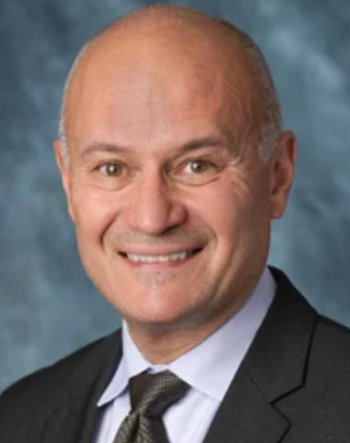
A decade after bariatric surgery, most teens maintained weight loss and reduced obesity-related conditions such as type 2 diabetes and hypertension.

New research indicates semaglutide reduced albuminuria and body weight in CKD patients without diabetes, highlighting its potential renal benefits.

Time-restricted eating, even without calorie restriction, improved glycemic control and cardiometabolic health in patients with metabolic syndrome.
Our September 2024 monthly recap in endocrinology spotlights regulatory updates, new guidelines, and the latest episodes of Diabetes Dialogue.

Taher Modarressi, MD, sits down with hosts to share tips and practical nuggets for cardiometabolic health specialists to optimize prescription and adherence to newer therapies.

The new guidance reviews existing tools for weight management and provides recommendations for their use in clinical practice in patients with obesity and kidney disease.
The endocrinology month in review for August 2024 spotlights 6 pieces of major pipeline news or regulatory announcements as well as multiple episodes of Diabetes Dialogue.

Semaglutide lowers rates of cardiovascular and COVID-19-related deaths in patients with overweight/obesity, offering promising cardio-metabolic and non-cardiovascular benefits.

A new study revealed children who go from normal weight to overweight have a greater risk of atopic dermatitis than obese children who maintain their weight.

A new analysis suggests HbA1c may be more informative to fatty liver disease severity than BMI, and should be included in screenings.

In this episode, hosts are joined by Muthiah Vaduganathan, MD, MPH, for a discussion around topline data updates from the SUMMIT and FINEARTS-HF trials.

Eli Lilly's tirzepatide showed a 38% reduction in heart failure outcomes and improved symptoms in adults with HFpEF and obesity in the phase 3 SUMMIT trial.
Advertisement
Advertisement
Trending on HCPLive
1
From Injectable to Oral: Optimal Durable Clearance Across the IL-23 Class
2
Ritlecitinib Stabilizes Vitiligo in Tranquillo Trial, With Iltefat Hamzavi, MD
3
Advances in Treating High-Impact Psoriasis from EADV 2026
4
FDA Updates Sotatercept Label, ERS Releases PAH Guidelines Based on HYPERION Data
5