




Plaque Psoriasis
Latest News
Advertisement
Latest Videos




CME Content




























































Advertisement
More News
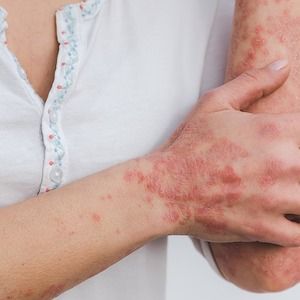
Expert dermatologists provide an overview of the current topical, oral, and biologic medications available to treat plaque psoriasis.
Describing the biggest takeaways from her talk ‘Diagnosis and Management of Blistering Disorders,’ Dr. Noe went in depth about treatment of blistering in patients.
This interview with Dr. Noe at the SDPA conference featured a discussion about her background and her presentation titled ‘Diagnosis and Management of Blistering Disorders.'

In another interview segment, Dr. Amin described some of the other biggest points from his conference talk on choosing the best route for psoriasis in patients.
In this interview segment, Dr. Amin described some of the major takeaways from his conference talk titled ‘Biological Bootcamp: How to Select the Best Biologics for Your Psoriasis Patient.’
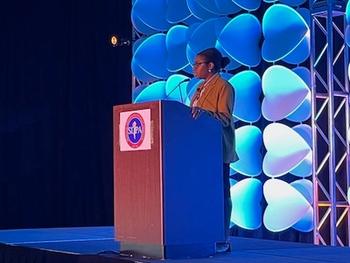
In a conference presentation, Dr. Imadojemu discussed the topic of afro-textured hair and various hair and scalp disorders.
In research presented at the 2023 SDPA summer conference, new pharmacovigilance data over a 4-year span aligned with the established safety profile on brodalumab.
In this interview segment, Dr. Barbieri explained the major takeaways from his conference talk on acne and rosacea with a focus on the more severe levels of these conditions.
In this conference interview, Dr. Barbieri described some of the major takeaways from his talk on foundational tools for patients with acne and rosacea.
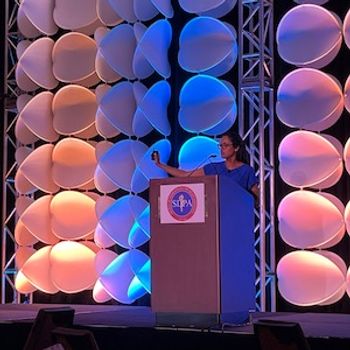
During this conference talk, Dr. Nicole Gunasekera spoke about options for acne scar treatments such as chemical peels and microneedling, as well as special considerations for richly-pigmented skin.
In his conference presentation, Dr. Arash Mostaghimi reviewed the ways to ensure access to the right information from a biopsy as well as how to interpret potentially confusing biopsy results.

These new findings suggest the need for expansion of JAK1/JAK2 targeting approaches for treatment of eosinophilic cellulitis and other types of eosinophilic disease.

This new data emphasizes the vital importance of timely detection and effective treatment for squamous cell carcinomas in this particular population.
Deep-Learning Algorithm Shows Positive Results in Classifying Dermatologic Conditions Through Images
This new tool, using an automated analysis of different parts of the body, could help clinicians to address previously unmet needs for treatment in conditions such as psoriasis.

These new guidelines were developed to benefit younger patients with inflammatory skin diseases, and may be helpful given the inexpensive nature and general availability of the drug.

This new research may help clinicians in their guidance of patients with T21, though the data may require future studies to help examine immune parameters of the clinical outcomes.
Statistically significant reductions in erythema, scaling, thickness, and overall target plaque scores were observed in both treatment regimens.
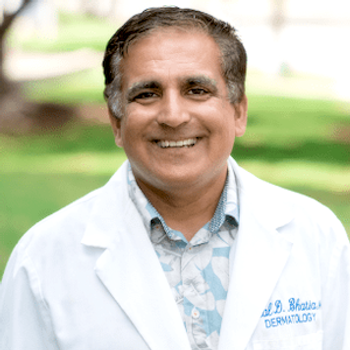
In this interview, Dr. Bhatia described the main takeaways from his conference presentation titled ‘JAKs and TYKs - What you Need to Know.’
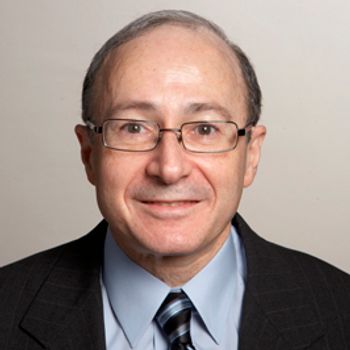
During the next part of his Q&A interview, Dr. Lebwohl further described new and future research into treating psoriasis.
This Q&A interview with Dr. Lebwohl featured a discussion about which therapies may be the best for patients who have psoriasis.

Dr. Del Rosso spoke regarding his conference presentation, titled ‘What’s New in the Medicine Chest,’ in which he describes newer therapies in the dermatology field.

Alopecia areata patients had higher rates of diseases including psoriasis, allergic rhinitis, asthma, and atopic dermatitis, highlighting the burden of comorbidities on patients in the US.

This research indicates biologics may be safe for women of childbearing age, to whom they are often prescribed, as they pose an acceptable risk to fetuses/neonates.
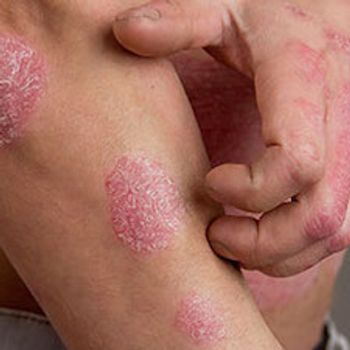
Early intervention was shown to lead to better clinical responses, results which could translate to long-term improvements in psoriasis and sustained maintenance of response after withdrawal.
In the results of this final analysis, the hidradenitis suppurativa drug was found to be well tolerated in patients regardless of either differing demographics or clinical characteristics.
Advertisement
Advertisement
Trending on HCPLive
1
The Case for Routine Kidney Screening, With Pranav Garimella, MBBS, MPH
2
FDA Approves Obinutuzumab (Gazyva) for Idiopathic Nephrotic Syndrome
3
What The FDA Psychedelic Hearing Means for Psychiatrists
4
Zilurgisertib Receives FDA Approval for FOP in Patients 12 and Older
5