


Plaque Psoriasis
Latest News

Nick Stucky, MD, PhD: Rise in Minoxidil Prescribing Rates Following Article Publication
By Tim Smith

Adam Friedman, MD: How Far There Is to Go in Addressing Atopic Dermatitis Disparities
By Tim Smith
Advertisement
Latest Videos





CME Content




























































Advertisement
More News

In this interview, Friedman described his conference presentation on treating atopic dermatitis through telemedicine to address the disparities in care that are visible around the world.

A new research letter highlighted findings that show a lack of viral reactivation in hepatitis patients with psoriasis, as well as other strong results, opening the door for new studies to confirm these findings.

A review of randomized clinical trials using the World Health Organization’s framework for clinical adherence to point to key knowledge gaps in self-exam knowledge among those at high risk for skin cancer.

New phase 3 data on patients with eczema in China and Japan showed that crisaborole, 2%, was efficacious and safe in patients aged 2 and older, lining up with data from studies done in Western countries.
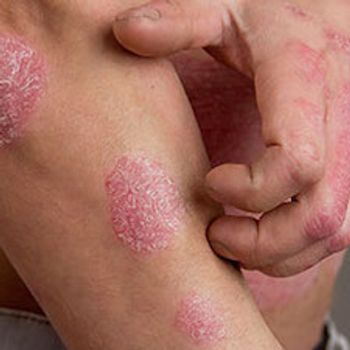
New data indicates that biologic treatments for psoriasis patients were found not to be significantly affected by comorbidities in older patients, widening the understanding of biologic use in different subgroups.

New research shows that mental health, life quality, and symptoms of eczema may all be improved through self-compassion and online mindfulness training that is both scalable and accessible to many.
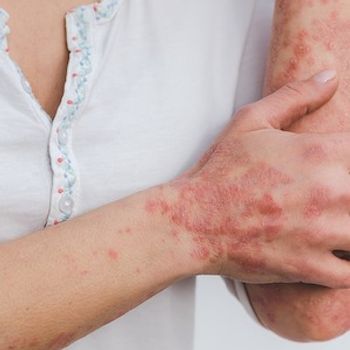
New data indicates an association between cardiovascular risk factors and psoriasis disease activity, shedding light on potential ways to identify and help those at risk for future heart issues.

New data suggests that anti-IL-17A biologics including ixekizumab showed strong self-reported results in signs and symptoms for psoriasis patients.
New data on using narrowband-UVB therapy for chronic plaque psoriasis found that the body’s lower limbs were the most difficult to treat, though excellent responses were still reported.

After spesolimab was found to be useful against generalized pustular psoriasis, this new analysis showed promising results for the treatment despite differences in demographics and other characteristics.

The research method, which provides better context into patient and caregiver perspective on the field, has increased nearly two-fold in prevalence since 2020.
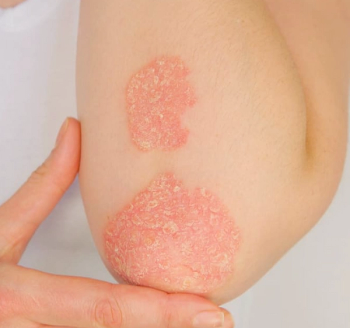
New research found that certain systemic markers in psoriatic arthritis and psoriasis patients correlated with PASI scores, indicating the clinical relevance of platelets and neutrophils in inflammation.

A retrospective analysis shows patients unresponsive to either secukinumab, ixekizumab or brodalumab may benefit from another of them.

Findings from a Canadian routine care study showed that brodalumab was found to be effective for those with plaque psoriasis, with future real-world setting studies needed to learn more.
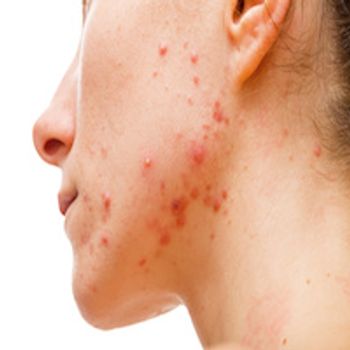
This study evaluated tranexamic acid injection for post-acne vulgaris erythema, though its smaller sample size may require the findings to be reproduced in large-scale studies.

Research indicates that despite reports of high psychological stress among women in their 20s and 30s in China and Japan, awareness of stress’s effects on aging remain higher among health professionals.

New data from a study in Italy found that, due to the lack of psoriasis drugs accounting for obesity, risankizumab was evaluated in patients with the inflammatory skin condition.

New results of the phase 3 ECZTRA 6 trial, evaluating tralokinumab for pediatric patients with eczema, found that the drug was superior to placebo in the primary and secondary endpoints.

New data indicates that there are significant bidirectional associations between migraines and psoriasis, with investigators recommending patients with either condition be informed about the connection.

It was announced by Arcutis Biotherapeutics that the US Food and Drug Administration had accepted for review their NDA for roflumilast foam 0.3%.

New study data re-evaluating current guidelines for T1a melanoma excisions indicate that 5-mm margins may be adequate in order to maintain lower risk levels for melanoma recurrence.

In another interview segment, a discussion was held with medical student Brenda Abreu Molnar about her experiences with epidermolysis bullosa patients and the SPD’s 2022 Medical Student Mentorship Award.
In this interview, medical student Brenda Abreu Molnar discussed the SPD’s 2022 Medical Student Mentorship Award and her experiences leading up to it.

Countries including Taiwan have observed a reduced frequency or resumption of in-person phototherapy for chronic skin conditions due to the pandemic.
New data indicates that there is a strong benefit-risk profile for upadacitinib for younger atopic dermatitis patients, with prior data predominantly relating to adult treatment.
Advertisement
Advertisement
Trending on HCPLive
1
The Case for Routine Kidney Screening, With Pranav Garimella, MBBS, MPH
2
FDA Approves Obinutuzumab (Gazyva) for Idiopathic Nephrotic Syndrome
3
Zilurgisertib Receives FDA Approval for FOP in Patients 12 and Older
4
What The FDA Psychedelic Hearing Means for Psychiatrists
5