




Plaque Psoriasis
Latest News
Advertisement
Latest Videos



CME Content




























































Advertisement
More News

Inflammatory diseases like psoriasis, as well as lupus erythematosus and rheumatoid arthritis, can lead to systemic chronic inflammation followed by other complications.
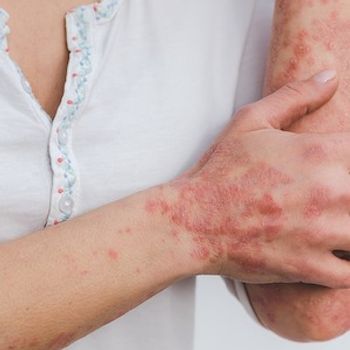
A retrospective analysis of 360 individuals identified several malignancy risk factors for plaque psoriasis patients.

The mean plasma Ctrough of roflumilast was 1.78 ng/mL, and 9.86 ng/mL for roflumilast N-oxide after 8 weeks of treatment.
An interview in which Dr. Lebwohl assessed the recent phase 3 trial data on itch treatment for psoriasis patients.
Neal Bhatia, MD, addresses concerns about the long-term use of topical treatments in plaque psoriasis.
Neal Bhatia, MD, reviews roflumilast, a newly approved topical agent for plaque psoriasis treatment.
New research on the TNF-alpha inhibitor infliximab as a treatment for PD-1-induced psoriasis demonstrated the treatment’s potential.

A recent analysis indicated the efficacy of 100 or 200 mg of tildrakizumab for moderate-to-severe plaque psoriasis patients.

Brett King, MD, PhD, reviews how the drug class has altered the state of chronic skin disease management in this year alone.
Why patience is key following the major FDA decision earlier this year.
Neal Bhatia, MD, discusses patient adherence as one of the challenges with topical treatments in plaque psoriasis.
Neal Bhatia, MD, provides an overview of treatment options for patients with chronic plaque psoriasis, focusing specifically on the use of topical agents.
Dr. Katta’s interview regarding her SDPA 2022 presentation, during which she discusses the topic of obesity, dietary health, and their relationship with skin conditions like psoriasis.

Online survey results show adults with psoriasis in specific areas may be treating and monitoring disease without clinician guidance—sometimes out of embarassment.
Long-term, real-world data show the IL-23 inhibitor benefits patient-reported measures of psychological wellbeing.

New data show adults receiving the biologic for eczema may see improvements in sleep disturbance within 4 weeks.

Post hoc analysis data from JADE REGIMEN show continuous and reduced-dose regimens provided similar efficacy and safety outcomes in the 2 age groups.

An interview with Dr. Katta on her SDPA 2022 presentation, in which she covers the topic of obesity and its relationship to skin conditions such as plaque psoriasis.
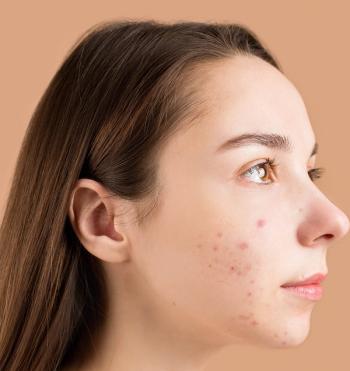
Phase 3 data suggest the novel twice-daily drug provides favorable efficacy and consistent safety over a regular regimen in patients aged 12 years and older.
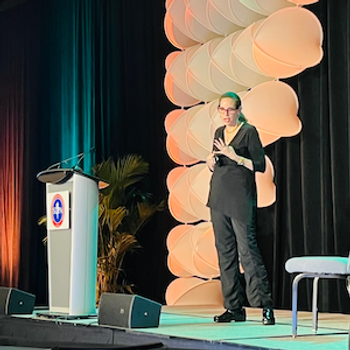
During her SDPA 2022 presentation, Cynthia Trickett explored the topic of psoriasis, including comorbidities and treatment options.
Patients with psoriasis in high-impact areas may benefit from either of 2 available dosing regimens of the biologic.

Despite a Boxed Warning included in its 2017 FDA approval, the plaque psoriasis biologic was not linked to any causal cases of suicide attempts in 4-year, real-world data.

New trial data presented at ACAAI 2022 suggest a potential insight into treating chronic spontaneous urticaria after a period of omalizumab treatment.
An online survey of adult patients shows a strong desire for a singular, consistent topical option.
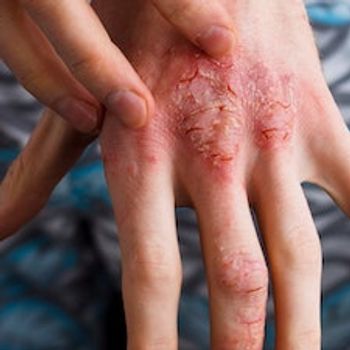
New data presented at ACAAI 2022 observed various trends in allergies associated with eczema and eosinophilic esophagitis, comparing observed data with that of patients in the United States.
Advertisement
Advertisement
Trending on HCPLive
1
The Case for Routine Kidney Screening, With Pranav Garimella, MBBS, MPH
2
FDA Approves Obinutuzumab (Gazyva) for Idiopathic Nephrotic Syndrome
3
Zilurgisertib Receives FDA Approval for FOP in Patients 12 and Older
4
What The FDA Psychedelic Hearing Means for Psychiatrists
5