



Plaque Psoriasis
Latest News
Advertisement
Latest Videos





CME Content




























































Advertisement
More News

Investigators believe drugs like etanercept and ustekinumab could reduce the risk of psoriatic arthritis in patients with moderate-to-severe chronic plaque psoriasis.

Advanced practice providers discuss scenarios in which they would consider switching between therapies when treating patients with plaque psoriasis.
Lakshi Aldredge, MSN, ANP-BC, DCNP, and Matthew Brunner, MHS, PA-C, DFAAPA share their personal experiences with using IL-23 inhibitors in treating patients with plaque psoriasis.

Mark Lebwohl, MD, and Jerry Bagel, MD, MS, review the currently available TNF-α and IL-12/23 inhibitors used to treat plaque psoriasis.
Spearheaded by Dr Bagel, the panel explores the role of phototherapy in the treatment of plaque psoriasis.
Mechanism of action and dosing of IL-23 inhibitors use to treat plaque psoriasis as explained by advanced practice providers.
IL-17 inhibitors and IL-12/23 inhibitors used in the treatment of plaque psoriasis.
The panel addresses their treatment practices and procedure when first seeing a patient with plaque psoriasis, as well as the role of topical therapy in this disease.
Leon Kircik, MD, and Jerry Bagel, MD, MS, explain their reasoning behind choosing whether a patient with plaque psoriasis is a candidate for either topical or systemic therapeutic agents.
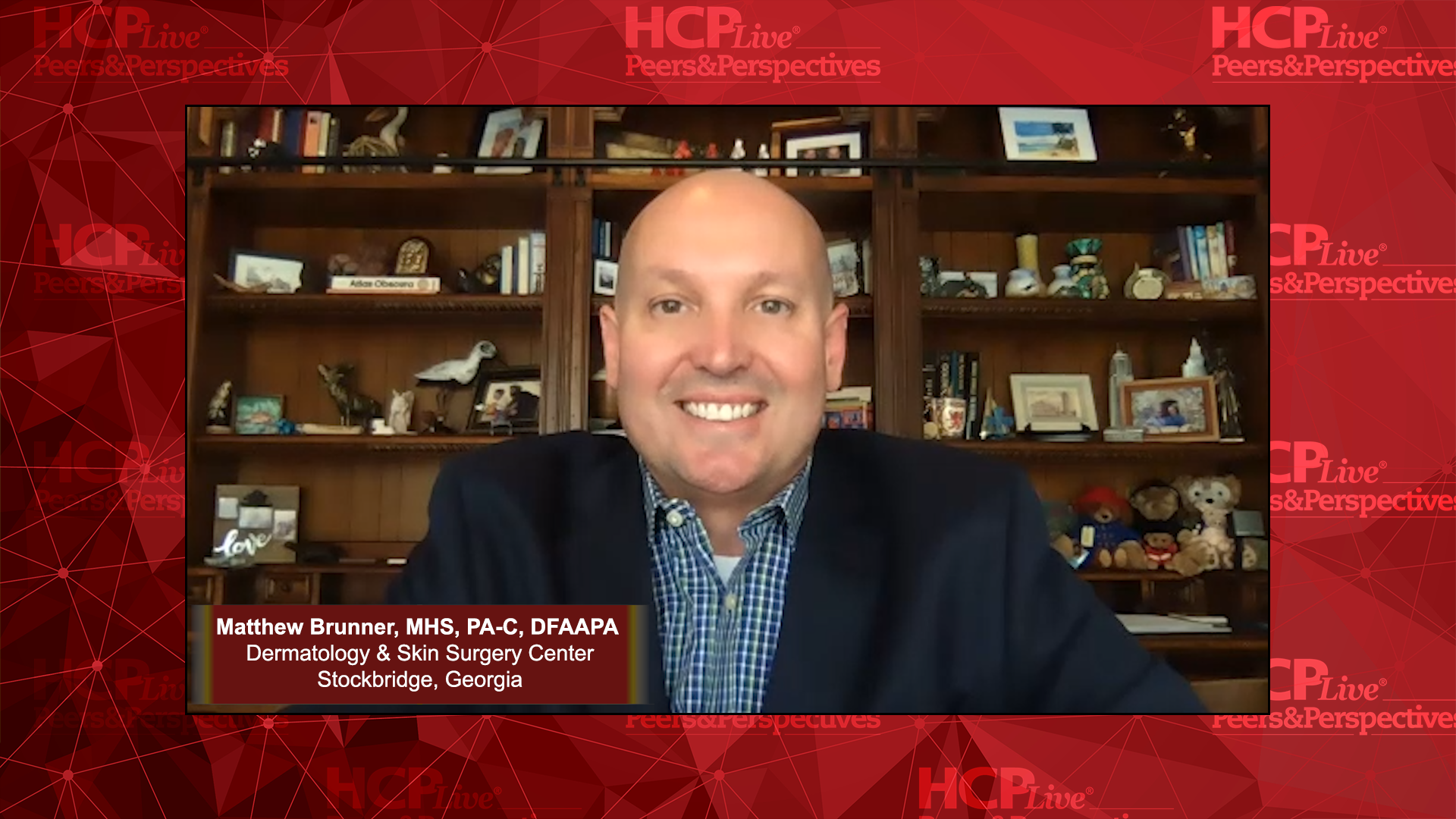
Matthew Brunner, MHS, PA-C, DFAAPA, and Lakshi Aldredge, MSN, ANP-BC, DCNP, share their experiences with tumor necrosis factor (TNF) inhibitors in treating plaque psoriasis.
Matthew Brunner, MHS, PA-C, DFAAPA, and Lakshi Aldredge, MSN, ANP-BC, DCNP, discuss factors leading to transition from topical agents to oral systemic therapies for plaque psoriasis.
Matthew Brunner, MHS, PA-C, DFAAPA, and Lakshi Aldredge, MSN, ANP-BC, DCNP, review use of nonbiologic oral systemic agents (eg, apremilast, methotrexate, acitretin) in the management of plaque psoriasis.
Matthew Brunner, MHS, PA-C, DFAAPA, and Lakshi Aldredge, MSN, ANP-BC, DCNP, discuss the current role of topical medications as the standard of care for initial therapy in plaque psoriasis.
Linda F. Stein Gold, MD, delves into the psychosocial impacts of living with plaque psoriasis.
Mark Lebwohl, MD, and Jerry Bagel, MD, MS, provide an overview of the pathogenesis of and comorbidities associated with plaque psoriasis.

Investigators added that clinical condition at the time of vaccination and biologic treatment did not influence the humoral response in the enrolled patients.
Lifestyle modification and counseling to help manage flare-ups resulting from triggers for plaque psoriasis.
Diagnosis and management of plaque psoriasis as discussed by advanced practice providers.
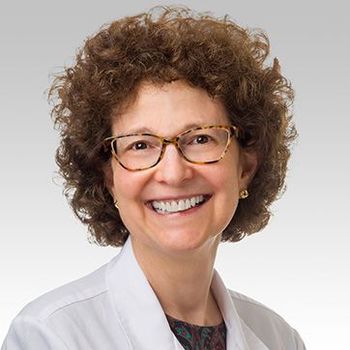
Dr. Amy Paller and colleagues noted high efficacy rates and minimal adverse events from biologic therapy.

The topical drug was associated with adverse events that were mainly localized to the application site and mild to moderate in nature.
The condition is rare, with limited epidemiological data and no standard treatment.
Advanced practice providers share their perspectives on assessing and grading the disease severity of plaque psoriasis.
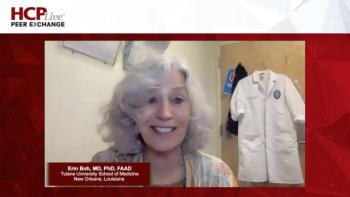
Erin Boh, MD, PhD, FAAD, shares insight into clinical manifestations of plaque psoriasis, and panelists emphasize how disease characteristics may be mistaken for signs and symptoms of commonly comorbid diseases.
The clinical and psychological impact of plaque psoriasis on a patient’s overall well-being.

An expert dermatologist, George Han, MD, PhD, provides a brief overview of the pathogenesis of plaque psoriasis and reviews some common environmental triggers.
Advertisement
Advertisement
Trending on HCPLive
1
The Case for Routine Kidney Screening, With Pranav Garimella, MBBS, MPH
2
FDA Approves Obinutuzumab (Gazyva) for Idiopathic Nephrotic Syndrome
3
Zilurgisertib Receives FDA Approval for FOP in Patients 12 and Older
4
FDA Approves Baricitinib for Adolescents With Severe Alopecia Areata
5