



Plaque Psoriasis
Latest News
Advertisement
Latest Videos
CME Content




























































Advertisement
More News

Investigators reported that a higher proportion of participants in the abatacept group relapsed between weeks 12 and 40 compared to participants in the ustekinumab group.

Travel issues related to COVID-19 were responsible for the delay in the approval of the Biologics License Application.

Data from the PAUSE clinical trial reveals that more participants experienced psoriasis relapse in the abatacept group than the ustekinumab group.

A recent press release detailed the phase 3 findings that were presented at the virtual conference, which shows that bimekizumab was well-tolerated and efficacious in patients with moderate to severe plaque psoriasis.

The treatment was approved for adult patients with plaque psoriasis in 2018.

Though the severity of the COVID-19 virus did not differ in participants with different dermatological conditions, their conditions were affected in alternate ways.

A rarity in biologic treatments for patients with moderate-to-severe plaque psoriasis, Dr. Miller notes that patients treated with guselkumab recorded overwhelmingly positive PASI scores.
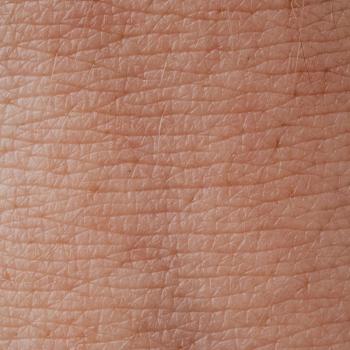
The prevalence of striae distensae was notably higher in psoriasis than atopic dermatitis.

An ongoing study of the IL-17A and IL-17F inhibitor showed patients with moderate to severe plaque psoriasis achieved long-term skin clearance results.
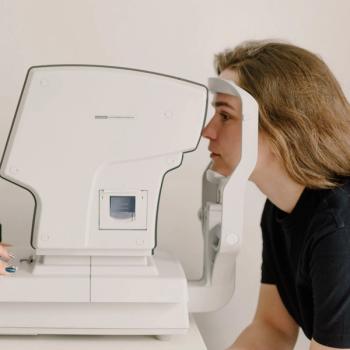
More research is needed to understand the pathogenesis underlying this association.

These results highlight the importance of interventions to address modifiable behaviors and risk factors for these patients.
Secukinumab is the only fully human biologic that directly inhibits IL-17A.

While Janus Kinase inhibitors are a fraction of what’s to come in dermatology, research from AAD VMX 2021 shows they represent the potential of unlocking new capabilities across the field.

Jeffrey Stark, MD, of UCB discusses the promising data being generated by the robust trial program for plaque psoriasis.

The Head of Immunology Medical Affairs at UCB discusses what bimekizumab is and how it works.

New cross-sectional survey data suggest quality-of-life and psychological outcomes may differ in the most common chronic skin disease patient populations.

Patients who received ixekizumab achieved PASI 90 at a median of 43.0 days and PASI 100 at 85.0 days.
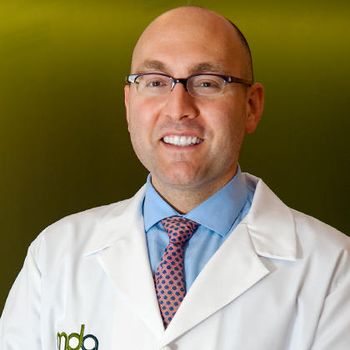
In a Q&A, Peter Lio, MD, discusses some evidence for using integrative therapies with patients.

Rebecca Kazin, MD, offers some insight into her cosmetic dermatology practices, including a new hair product that she developed.

A comparison of the IL-17 inhibitors suggest the more dynamic pathway-targeting biologic is more efficacious, but linked to more oral candidiasis.

Valerie Callender, MD, draws on her experiences in clinical practice to discuss cosmetic dermatology care practices and the challenges of this past year.

The study underscores the importance of interpreting patient-reported disease severity scores in the context of mental health factors.

Two studies demonstrated that the IL-17A and IL-17F inhibitor can lead to superior levels of skin of clearance in adult patients compared with ustekinumab or placebo. .

Todd Schlesinger, MD, talks new therapies on the horizon and those that have already proven efficacious.
The FDA approvals of biologics for atopic dermatitis and psoriasis have ushered in a new era for the once-stagnant field of pediatric dermatology.
Advertisement
Advertisement
Trending on HCPLive
1
The Case for Routine Kidney Screening, With Pranav Garimella, MBBS, MPH
2
FDA Approves Obinutuzumab (Gazyva) for Idiopathic Nephrotic Syndrome
3
Zilurgisertib Receives FDA Approval for FOP in Patients 12 and Older
4
FDA Approves Baricitinib for Adolescents With Severe Alopecia Areata
5