





Plaque Psoriasis
Latest News
Advertisement
Latest Videos





CME Content




























































Advertisement
More News

This research indicates biologics may be safe for women of childbearing age, to whom they are often prescribed, as they pose an acceptable risk to fetuses/neonates.
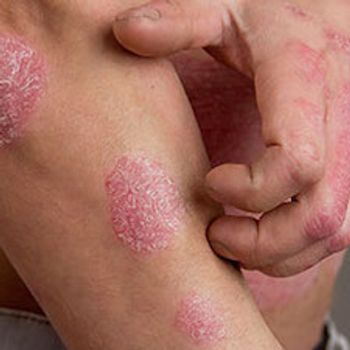
Early intervention was shown to lead to better clinical responses, results which could translate to long-term improvements in psoriasis and sustained maintenance of response after withdrawal.

In the results of this final analysis, the hidradenitis suppurativa drug was found to be well tolerated in patients regardless of either differing demographics or clinical characteristics.

These 4 treatments and their biosimilars show no significant differences, though future studies may be necessary to assess long-term efficacy and safety of biosimilars in treating psoriasis.
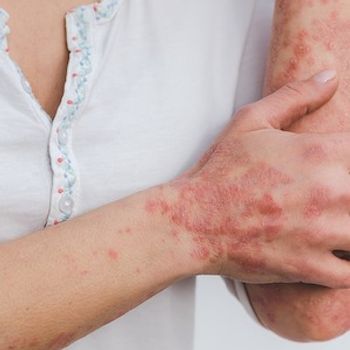
This new research into psoriasis and its systemic effects and comorbidities may be used to identify the mechanisms which affect skin inflammation in a single area and effects on other organs.

Gain-of-function STAT4 variants in patients with disabling pansclerotic morphea suggest a potential therapeutic role for JAK inhibition, resulting in improved clinical symptoms and inflammatory markers.

New prognostic model enhances methotrexate monitoring for immune-mediated inflammatory diseases.
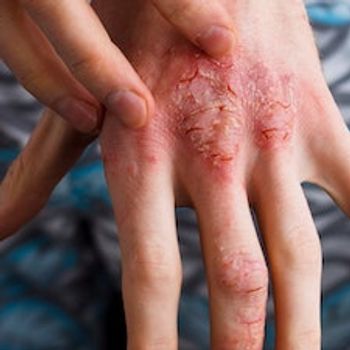
New data indicating this connection suggests a need for clinicians to take into account cardiovascular examination for patients with both the skin disorder and symptoms suggestive of incident venous thromboembolism.

Specific Atopic Dermatitis Patient Clusters Found to Be Late Onset, Lower Risk of Asthma and Allergy
This research was conducted to identify distinct subgroups of those with atopic dermatitis, and the findings may help to promote better counseling and treatment options.

Those with higher psoriasis severity was associated with a higher improvement in anxiety/depression at the second timepoint.

Recent research from Japan indicates that there are several comorbidities identified for patients with psoriasis, raising awareness of incidental findings in CT analysis.
New data indicates that psoriasis patients who are naïve to biological therapies may benefit from early intervention with secukinumab, though further research is needed.
This research from Japan on the shifting preferences for individuals with psoriasis in the pre and post-pandemic era may indicate the effects of such events on treatment options.

Both gastrointestinal surgery and appendectomies were not associated with any increased risk of psoriasis development in a national cohort.

This study highlighted the strong effects of environmental factors on eczema, especially given the higher prevalence of the skin condition in industrialized countries.

Research into global prevalence rates of autoimmune conditions such as multiple sclerosis and psoriasis highlights important information for future research and medical resource allocation.

New data indicates that increased risk for offspring in developing different disorders is associated with maternal alopecia areata exposure, expanding the available information on alopecia and maternal autoimmunity.

This study examined survival of brodalumab after switching from ixekizumab, providing more information on real-world, non-medical switching for patients with psoriasis.

New data indicates the usefulness of spironolactone as an alternative to oral antibiotics for women in the UK with acne vulgaris, given increasing resistance to antibiotics due to widespread use.

New data from a systematic review of randomized control trials indicated that moderate-to-severe psoriasis patients benefited from deucravacitinib as a first line treatment.

The long-awaited FDA approval follows data that demonstrated about 70% wound closure by 6 months in dystrophic epidermolysis bullosa patients treated with B-VEC.

A new research letter highlighted findings that show a lack of viral reactivation in hepatitis patients with psoriasis, as well as other strong results, opening the door for new studies to confirm these findings.

A review of randomized clinical trials using the World Health Organization’s framework for clinical adherence to point to key knowledge gaps in self-exam knowledge among those at high risk for skin cancer.

New phase 3 data on patients with eczema in China and Japan showed that crisaborole, 2%, was efficacious and safe in patients aged 2 and older, lining up with data from studies done in Western countries.
New data indicates that biologic treatments for psoriasis patients were found not to be significantly affected by comorbidities in older patients, widening the understanding of biologic use in different subgroups.
Advertisement
Advertisement
Trending on HCPLive
1
The Case for Routine Kidney Screening, With Pranav Garimella, MBBS, MPH
2
FDA Approves Obinutuzumab (Gazyva) for Idiopathic Nephrotic Syndrome
3
What The FDA Psychedelic Hearing Means for Psychiatrists
4
Zilurgisertib Receives FDA Approval for FOP in Patients 12 and Older
5