





Plaque Psoriasis
Latest News
Advertisement
Latest Videos



CME Content




























































Advertisement
More News

In another interview segment, a discussion was held with medical student Brenda Abreu Molnar about her experiences with epidermolysis bullosa patients and the SPD’s 2022 Medical Student Mentorship Award.
In this interview, medical student Brenda Abreu Molnar discussed the SPD’s 2022 Medical Student Mentorship Award and her experiences leading up to it.

Countries including Taiwan have observed a reduced frequency or resumption of in-person phototherapy for chronic skin conditions due to the pandemic.

New data indicates that there is a strong benefit-risk profile for upadacitinib for younger atopic dermatitis patients, with prior data predominantly relating to adult treatment.

Research was conducted on the paradoxical effect of TNF inhibitor–induced psoriasiform eruption in children and adolescents treated with inhibitors for conditions other than psoriasis.

A questionnaire analysis from Germany shows patients are more likely to be satisfied with the safety and convenience of their topical drugs than they are their effectiveness in treating psoriasis.

These findings indicate that managing obesity may be helpful in lessening the severity of atopic dermatitis for patients with both conditions.

New data suggests that patients with psoriasis may see positive outcomes after switching from secukinumab 150 mg to risankizumab 75 mg if secukinumab responses are inadequate.

In both the UK and Ireland, a new study found that there were increases in use of biosimilars to adalimumab and other tumor necrosis factor inhibitors for moderate-to-severe psoriasis.
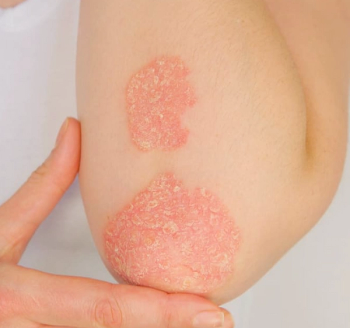
New data from a study in Egypt suggests that several key factors contribute to some of the negative impacts of psoriasis on mothers of children with the skin condition.
A set of highlights from some of the impactful breakthroughs covered in dermatology this past month, including phase 3 trial data bimekizumab, tapinarof, and other treatments.

Thought leaders talk about the approval and integration of a first-in-class agent into the treatment armamentarium. They also review the mechanisms of TYK2 inhibition.

Linda Stein Gold, MD, and Bruce Strober, MD, PhD, assess the efficacy of traditional and newer treatment options for psoriasis. They also discuss therapeutic targets and the goals of therapy.

New late-breaking data showed that oral roflumilast treatment was both safe and efficacious against psoriasis, making it a potentially less expensive and convenient treatment alternative.

New phase 2b data show the oral PDE4 inhibitor could reduce psoriasis area severity by more than 60% in 16 weeks.

New data indicates that an oral TYK2 inhibitor known as NDI-034858 showed strong results for psoriasis patients in a recent phase 2b trial.

New data has indicated that patients with psoriasis who were not responding to ixekizumab or secukinumab responded well to risankizumab, an interleukin-23 inhibitor.

Data presented in a research letter suggests that medicinal-thermal waters found in a spring in Las Salinas (near Madrid) had positive effects on plaque psoriasis.

New research into the use of ustekinumab compared to other treatments for psoriasis sheds light on risk for outpatient infections.
New research, comparable with that of the NAVIGATE trial, was conducted and showed strong results for the use of guselkumab for psoriasis patients.

Jayme M. Heim, MSN, FNP-BC, discusses unmet needs in the treatment landscape of plaque psoriasis.

Douglas DiRuggiero, DMSc, PA-C, reviews how deucravacitinib impacts the quality of life for patients with plaque psoriasis.

Recent findings indicated that patients with new-onset psoriasis may see positive results from switching to secukinumab treatment.
Dermatology experts discuss BMI and other background comorbidities that can impact IL-23 inhibitors when treating plaque psoriasis.
Brad Glick, DO, AOCD, George Han, MD, PhD, and Neal Bhatia, MD, discuss year long term efficacy and safety data regarding the use of IL-23 inhibitors in patients with moderate to severe plaque psoriasis.
Advertisement
Advertisement
Trending on HCPLive
1
The Case for Routine Kidney Screening, With Pranav Garimella, MBBS, MPH
2
FDA Approves Obinutuzumab (Gazyva) for Idiopathic Nephrotic Syndrome
3
Zilurgisertib Receives FDA Approval for FOP in Patients 12 and Older
4
What The FDA Psychedelic Hearing Means for Psychiatrists
5