


































































People living with mental illness face great adversity. One of their greatest challenges is the seemingly intractable problem of stigma.
People living with mental illness face great adversity. One of their greatest challenges is the seemingly intractable problem of stigma.

Children born early preterm (gestational age 22-33 weeks) scored an average of 0.24 SD higher than children born full term. For girls, this increased to 0.8 SD higher than term born sisters.

Though the rate of suicidal ideation in pediatric patients with T1D is not significant from general population, girls reported twice as frequent rates.
The condition is characterized by a display of persistent or recurrent gaming behavior, online or offline, and can appear in continuous, episodic, and recurrent patterns.

New immigration policies are affecting the health of thousands of migrant children, and physicians want the world to know about it.
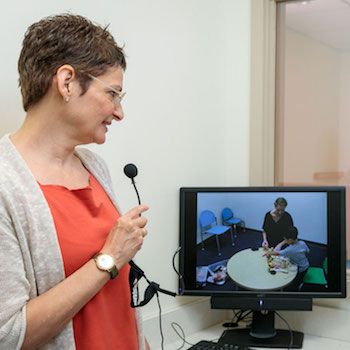
An interactive parent-child therapy appears to reduce depression in children 3-6 years old. Interestingly, the therapy also improved symptoms of clinical depression in participating parents.

Between 2013 and 2016, diagnoses of major depression jumped by 33% overall, and by 63% and 47% among adolescents and millennials, respectively.

A national discussion on a public health crisis is slowing down before it can even really start — again.

Researchers found that patients with depression were at increased risk of cognitive decline long before dementia could be diagnosed.

Children with conditions such as ADHD could be put at greater risk of obesity or type 2 diabetes due to antipsychotic prescriptions.

The therapy's currently-planned phase 3 trials for major depressive disorder, postpartum depression disorder are being converted into pivotal studies after a meeting with the FDA.

This is the first study to demonstrate that prescription drugs were often used concurrently, and that polypharmacy was associated with a greater likelihood of experiencing depression.

Children with autism are nearly twice as likely to have any allergic condition than those without autism, researchers found.

Depression in men–but not women–reduces the chances of pregnancy for infertile couples, a new study suggests.

The CDC reported that suicide rates have increased by at least 30% in half of all US states.

The prevalence of HDP and neurodevelopmental disorders are associated with increased risks up to 70%, according to the systematic review and meta-analysis.

Gun violence is an epidemic in the US, but research remains underfunded compared to other leading causes of mortality.

The findings revealed a striking gender difference with boys, as the lead-ADHD association was significantly stronger, equating to a 149% increased risk.

Physicians can play an important role in helping patients define what dying well means to them and, when the time comes, help them make choices that are best for themselves and their families.

The therapy, when combined with oral antidepressant, reported a 70% reduction in relapse risk for depression versus standard-of-care.

Risk of antidepressant use decreased as the time after abortion increased.

The new findings also show that the premature activation of synapses can be prevented by AMPA receptor antagonist therapy.
The solution from Sage Therapeutics may become the first treatment indicated for women with postpartum depression.

The youths’ perception of discrimination was related to a higher risk of MDD over the course of 30 days, then at 12 months, and then over the course of their lifetimes.

Delaying gratification in youth may not be as much of a predictor of later life outcomes, contradictory to previous findings.