






























































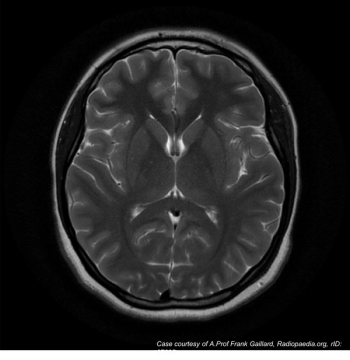
Study findings may facilitate new studies on the neural markers of tardive dyskinesia.
Study findings may facilitate new studies on the neural markers of tardive dyskinesia.

A quarter of surveyed second-year residents reported high emotional exhaustion and depersonalization. Nearly half reported weekly symptoms of burnout.

Almost 20% of young people with autism spectrum disorder (ASD) also were diagnosed with depression in a study that tracked participants into their 20s.
Physicians are primarily delivering disease management, rather than healing and care. The current system is a placing a strain on the practice.

A new meta-analysis aimed to quantify the effect, if any, of physician burnout on patient wellbeing. They found the links are strong and consequential.

After 10 days of transcranial magnetic stimulation, patients reported significant decreases in withdrawal symptoms like craving, quality of sleep, and mood status.

A study of primary care patients found that of patients screened for alcohol use, just 2.4% were also screened for depression. Men and racial/ethnic minorities were less likely to be screened for depression.

Interestingly, increased distress led to a higher risk of stroke for women, while distressed men had a higher risk of heart attack.

Deaths due to drug overdoses and suicides have contributed to decreasing US life expectancy, but other factors indicate that there is a deeper root cause driving these trends.

Preliminary findings from WTC Health Program are the first to make the connection among workers at "Ground Zero."

The therapy’s New Drug Application was accepted and granted Priority Review in May of this year, after having been granted Breakthrough Therapy designation in September 2016.
More than 2 million US outpatient visits and 3 million emergency department visits from 2005-2009 were accounted to children seeking care for mild TBI. Until now, no evidence-based clinical guidelines for pediatric mild TBI existed.

The New Drug Application is based on data from 5 phase 3 studies of the efficacy and safety of esketamine nasal spray for treatment-resistant depression.

A new study has found that, based on the complexities of the EHR system they're required to use, physicians have a nearly equal chance of shortening or extending their career.
A paternal smoking amount of more than 15 cigarettes per day was significantly associated with children's ADHD.

A small study found that ketamine decreased symptoms of depression—investigators studied its effects in combination with the opioid-blocker naltrexone compared to a placebo.

In 2016, US firearm suicides represented 35.3% of all global firearm suicides—despite the US just comprising 4.3% of the global population.

Results of an analysis indicate suicidal behavior occurred more often in patients taking an efavirenz-based treatment for HIV than in a control group that had not started treatment.

What a longtime family practitioner in a state that authorizes medical aid in dying has learned through his own experience of the controversial practice.

The phase 2b dose-ranging trial will involve 216 patients across 12-15 research sites in North America and Europe, beginning in the UK later this month.
In a clinical trial, the expedited Transcranial Magnetic Stimulation device produced a patient response/remission rates of 32% depressive symptom improvement rates of 49%.
Cleveland Clinic investigators have discovered a novel form of the neurological condition which does not demyelinate the brain's white matter.

The dual use of ribavirin and direct-acting antivirals during treatment for hepatitis C virus was found to independently predict decline in mental health-related quality-of-life.

Quebec-based investigators have highlighted the central role of bridge symptoms in the developmental process leading to long-term anxiety.
Tardive Dyskinesia Assessment Workshop members confirm the AIMS to be a valid measure of TD, but recommends alternative analyses to gauge treatments.