

Dr. Michalsky observed challenges in pediatric bariatric surgery, specifically growing consensus on its use, the use of BMI, and access to treatment.
Dr. Michalsky observed challenges in pediatric bariatric surgery, specifically growing consensus on its use, the use of BMI, and access to treatment.
Dr. Michalsky discusses the utility of bariatric surgical options in patients with a high body mass index.

Dr. De Keyser highlights the success of biologics such as omalizumab and dupilumab in the treatment of asthma and atopic dermatitis in pediatric populations.

Dr. Carbone will present during AAP 2021 about managing autism in pediatric practices.
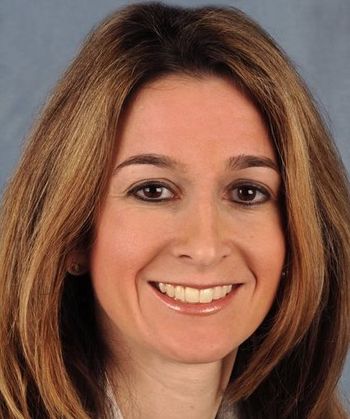
Dr. Hernandez-Trujilo speaks of her personal history with food allergy, and what she recommends for families and expecting parents in the management of pediatric food allergy.
In an interview with HCPLive, Dr. Jean-Pierre Llanos-Ackert and Dr. Bill Cook discuss how tezepelumab resulted in improved lung function and an 86% reduction in exacerbation rates in this patient population.

Data show the outcome of all-cause mortality, MI, or stent thrombosis occurred in 5.3% of patients vaccinated against the flu and 7.2% of patients who were given placebo.
Now that the agent shows benefit in mitigating comorbid risks, the expert advocates for more timely diagnoses and treatment initiation.

Investigators observed systolic blood pressure was lower by a rate of 6.9 mm Hg in the intervention group versus the control group.

Data show substantially reductions in cardiovascular disease, myocardial infarction, stroke, revascularization, and cardiovascular death following fixed-dose combination treatment strategies.

Data show lower incidence of CV events following intensive treatment with a systolic blood pressure target of 110 to 130 mm Hg compared to standard treatment.

Data show oral anticoagulation following atrial fibrillation screening was initiated in 1036 participants, with 445 (29.7%) in the ILR group versus 591 (13.1%) in the control group.

Dr. Bhatt discusses the growing field of knowledge surrounding icosapent ethyl treatment in cardiovascular care.
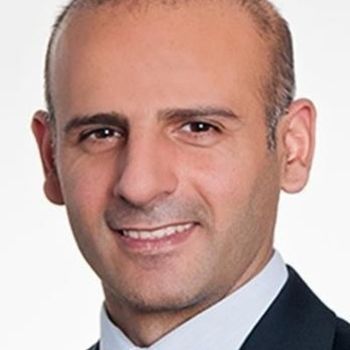
Despite conflicting evidence surrounding older patient populations, investigators found no age-specific treatment effects on major cardiovascular outcomes.
Dr. Bhatt discusses a subgroup analysis of the REDUCE-IT to determine if icosapent ethyl reduced further ischemic events in patients with prior MI.

Investigators find that substitute salt better protects older people with a history of stroke or high blood pressure against secondary outcomes of cardiovascular events and death.

A recent study found no benefits of immediate angiography over a delayed or selective strategy with respect to the 30-day risk of death from any cause.

Incidence of death from cardiovascular causes was lower in the finerenone group (458 of 3686 patients) compared to the placebo group (519 of 3666 patients).

Net adverse clinical events occurred in 165 patients in the abbreviated-therapy group and 172 in the standard therapy group in patients at high bleeding risk after PCI.

The direct-acting oral anticoagulant benefitted prevention of adverse clinical events, but was associated with worse major bleeding.

New EMPEROR-Preserved findings show the SGLT-2 inhibitor significantly reduced heart failure-related hospitalizations, regardless of patient diabetes status.

Dr. Martin explains the connection between inclusive cardiology technology and patient care and confidence.
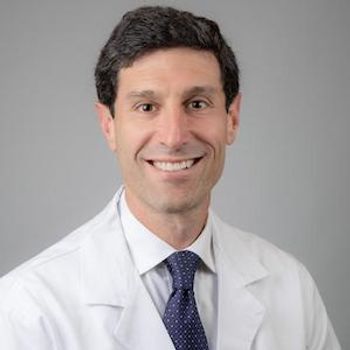
In part 2 of an interview with HCPLive, Ty Gluckman, MD discusses both the advantages and disadvantages of technology replacing traditional care.

Marc Bonaca, MD discusses the personalization of treatment in PAD patients, lack of proper research into the condition, and optimizing delivery of care.

Advancements in technology and the availability of resources for patients and doctors alike could mean a bright future for cardiology research.
Ty Gluckman, MD speaks on the use of medical technology, including wearables and and telemedicine, and the growing importance of mobile health.

Harold Bays, MD discussed the effectiveness of GLP-1 RA in treatment, as well as the development of oral semaglutide.

Dr. Taub speaks on the technology-based advancements in cardiovascular care and socioeconomic status can affect a patient’s diet and access to care.

Peter Toth, MD discusses the combination treatment aspects of lipid management agents, as well as the effect of the COVID-19 pandemic on cardiovascular care.

Dr. Pam Taub speaks on the misconceptions of cardiac rehabilitation and other lifestyle approaches recommended for patients with cardiovascular diseases.