

Gestational age and NICU admission both were associated with the risk of developing EoE.
Gestational age and NICU admission both were associated with the risk of developing EoE.

The algorithm also resulted in a large reduction in oral food challenges.

Additionally, the association between atopic dermatitis and sensitization to eggs was more common during the pandemic then in years prior.

By blocking certain neurogenic changes that occur in the lungs at childhood, patients may avoid asthma and allergic responses into adulthood.

Investigators examined data on abrocitinib from the JADE REGIMEN study.

Currently, antibiotics comprise roughly 80% of prescribed pregnancy medications, and recent epidemiological studies have indicated a link between antibiotic use and dysbiosis.

Dr. Mathias noted that investigators are continuing to determine if age plays a role in peanut allergy risk and sensitization.

Itch intensity was highest at bedtime compared to all other time periods of the day.

This decision could further exacerbate health inequities among populations that are socioeconomically disadvantaged.

The study found that PARTICS, in addition to the usual care these patients received, reduced severe asthma exacerbations by 15.4% (p50.048) which corresponded to a reduction of 13 exacerbations/100 patient-years.

Patients with allergic asthma could often have no clinical history of atopic dermatitis.

Most cases had onset after 4 hours and were mild, which Dr. Anvari noted should not contraindicate future COVID-19 vaccine doses.

To date, dupilumab is the only biologic medicine to show positive, clinically meaningful phase 3 results in adults and adolescents with EoE.

Knowledge on distinguishing moderate and severe eczema increased the most after the video training.

Investigators from the Cincinnati Children’s Hospital Medical Center tested a new allergic reaction severity grading system.

Dr. McKeon speaks of how patients can be more involved with managing their asthma and allergies by avoiding exposures in their own homes.
The most common burden of disease were itching, dry or rough skin, and cracked skin.

Those who were breastfed for less than 4 months also had lower risks of developing atopic diseases.

Though telemedicine has improved upon school-based asthma programs across the country, Dr. Phipatanakul notes that the adoption of these programs can be difficult to implement.

Dr. Epstein provides updates on a joint study between members of AAAAI and the American College of Allergy on the relationship between epinephrine and post-immunotherapy injection waiting periods.

Urticaria and angioedema with oral mucocutaneous involvement were commonly labeled as anaphylaxis upon presentation.
Dr. Trivedi speaks of a new text-based program that helps provide asthma care to children from communities of color, as well as how COVID-19 affected school-based asthma programs.

The proportion of anaphylaxis episodes was higher in the cohort of patients with peanut allergies, compared to a control group of patients with non-peanut food allergies.

Dr. Zein speaks of the relationship between eosinophil count and COVID-19 illness and mortality, especially as it related to inhaled corticosteroid use.

The enrollment distribution was consistent by ethnicity over the course of 18 years, with no change in diversity over time despite there being an increase in the UK in the minority population.

Of the SCD patients who contracted COVID-19, 49% of them visited the Grady Comprehensive Sickle Cell center because of a vaso-occlusive event.
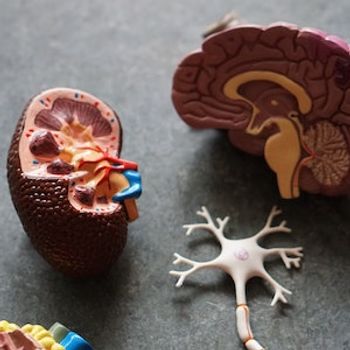
Data show patients with sickle cell disease identified by distinct cognitive profile should have neurorehabilitation tailored to each unique profile.
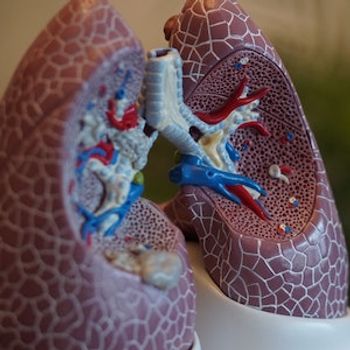
After 2 months of voxelotor treatment, all patients with sickle cell anemia perceived global improvement, but peak VO2 did not change in 8 of 9 patients.
Data show most patients (60.3%) with sickle cell disease achieved a Hb increase of >1 g/dL during the follow-up period.

Patients with SCD were not at an increased risk of death or disease complications.