
A post-hoc analysis of the VOYAGE study also found that the biologic improved the percent predicted pre-bronchodilator FEV1 in this patient population.
A post-hoc analysis of the VOYAGE study also found that the biologic improved the percent predicted pre-bronchodilator FEV1 in this patient population.
Dr. Richmond speaks to the newest pulmonology data from Vanderbilt University that was presented at ATS 2022.
Dr. Chatterjee cites an urgent need for new treatment strategies, adding that reducing airway iron could result in a decrease in the production of aspergillus fumigatus proteases.
Dr. Au spoke of how the new data provides an opportunity to think about how lifestyle intervention focused on weight and moderate exercise can actually have meaningful impacts on patients with COPD.
This model was responsible for correctly identifying 73% of patients with pulmonary arterial hypertension 6 months prior to a confirmed diagnosis.

Dr. Holly Keir cites "massive changes" in beta diversity following ICS withdrawals in patients with moderate to very severe COPD.
Dr. Lugogo explains how the ProAir Digihaler was used to accurately monitor SABA use in patients with asthma -many of whom were overusing their medication- which could allow clinicians to make appropriate changes to treatment.
The new study provides insights into the physiological factors for greater AtoOxy efficacy and can be referenced when identifying patients who are most suited for the therapy.
Investigators from this ATS session suggested THN therapy could be used to treat OSA, believing in to be “a simpler approach than incumbent technology with no sensor and an easier, proximal electrode implantation”.
Research has indicated that a fixed-dose combination of albuterol and budesonide could better reduce the risk of severe asthma exacerbation when compared to albuterol alone.
Dr. Chopra said an FDA-approved treatment for NAFLD could come in the next 6 months.
Dr. Gerald Smetana encourages PCPs to familiarize themselves with the outpatient drug options for managing COVID-19 because of the limited treatment window for administration.
Dr. Tara Vijayan talks about how primary care physicians can be best combat misinformation.
Expert psychiatrist Dr. Timothy Fong explains the complexity of using marijuana as treatment in a primary care setting and shares advice on how to address it with patients.
Alcohol use increased during the COVID-19 pandemic, leading to an increase in alcoholic hepatitis.
High-risk individuals should be targeted when drug scarcity comes into play.
NAFLD is currently the most prevalent liver disease in the US.
There remains a need to develop more antivirals that can be easily scaled up for COVID-19.
At Pri-Med West, primary care providers ask Dr. Michael Ziffra and Dr. Shirah Vollmer all the questions they have about treating mental illness and prescribing different classes of drugs.
Dr. Shirah Vollmer and Dr. Michael Ziffra host a Question & Answer Session addressing common inquiries about mental health treatment in the primary care setting.
Dr. Charles Vega suggestion doctors be less prescriptive in suggestion diets to patients.
Drugs like semaglutide are able to treat both diabetes and obesity.

Dr. Michael Ziffra talked during Pri-Med West 2022 about some of the challenges and gaps in research needed for better bipolar disorder care.
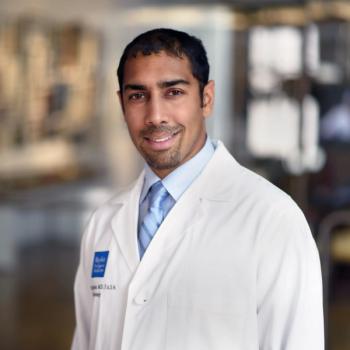
Expert nephrologist Dr. Rajeev Raghavan elaborates on the American Diabetes Association guideline updates for patients with diabetic kidney disease during Pri-Med West.
Dr. Rajeev Raghavan talks about the role of SGLT2 inhibitors and GLP-1 receptor agonists as new therapeutics available to slow progression of chronic kidney disease.
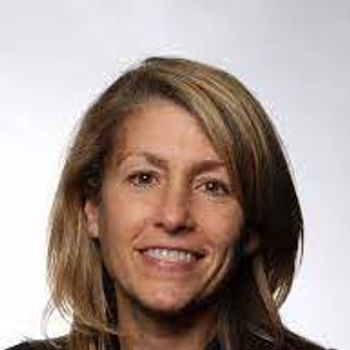
Jennifer Green discussed weight management and obesity during the annual Pri-Med West conference.
Pri-Med West presenter Dr. Rajeev Raghavan highlights the key points of his nephrology talk and identifies trending topics in the field during an interview.
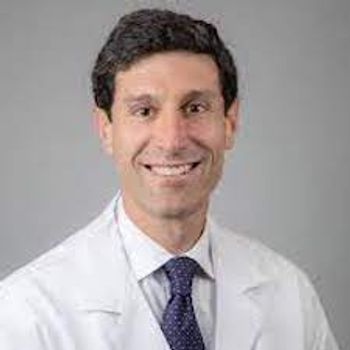
The pandemic has removed some of the barriers of medicine.
Phone communication may have decreased in recent years among doctors.
In the first episode of this new game show, a team of ARVO 2022 investigators work to invent an innovative clinical trial.