

The study from SLEEP 2022 is the first to explore directionality of sleep-stress relationships in a sample of perinatal women.
The study from SLEEP 2022 is the first to explore directionality of sleep-stress relationships in a sample of perinatal women.

Even after controlling for differences in age and BMI, investigators observe a greater burden of sleep health on those who had severe COVID-19 versus the general population.

The late-breaking data show SGLT2is are underutilized in patients with heart failure with or without type 2 diabetes despite guideline recommendations.

Today in a late-breaking abstract from SLEEP 2022, data showed the reduction of slow wave activity in unmedicated adolescents with depression.

Investigators observe an increased risk of dream enactment among specific subgroups of veterans with trauma.

Dr. Aric Prather and his team at UCSF are running a large study that began in March 2021 which follows healthy individuals through the COVID-19 vaccination and booster process.

The findings are in contrast to previous research that suggests an inverse relationship between moderate-to-vigorous physical activity and HbA1c, TIR.

Data from SLEEP 2022 suggests children with OSA may have faced worse psychosocial burden during the pandemic.

The findings presented at SLEEP 2022 differ from previous studies that evaluated the objective-subjective sleep patterns of this population.

A new study from SLEEP 2022 showed asthmatic children have a 10 times greater risk of the condition, and are twice as likely to have a history of snoring.

New SUNRISE 2 data show a subjective, dose-dependent, and disease severity-dependent benefit with the insomnia therapy.

Sleep expert Aric Prather, PhD, presented a discussion at SLEEP 2022 that focused on how the immune system and sleep are related to the "ongoing and protracted" impact of the COVID-19 pandemic.

The FDA-approved sleep agent was associated with ≥5% weight loss in more than one-quarter of patients in a phase 3 trial.

The mean time below range following exercise sessions was significantly lower with IGlar U300 compared to IDEG at the 100% dose.
The late-breaking findings at ADA 2022 suggest patients were more often prescribed oral semaglutide by primary care physicians than endocrinologists.

Prof. Hertzel Gerstein discusses new ELIXA biomarker findings from ADA 2022.

However, the post-hoc analysis found a greater variability in HbA1c levels was associated with increased risk of cardiorenal outcomes.

The diabetologist and professor discusses new findings from the ReTUNE trial, which disparage the utility of BMI in defining diabetes risk and remission opportunity.

New post hoc data from the STEP 1 and 4 trials show an approximate 60% risk reduction of type 2 diabetes over 10 years versus placebo.

In recent years more and more biologics have come on the market for the treatment of IBD.
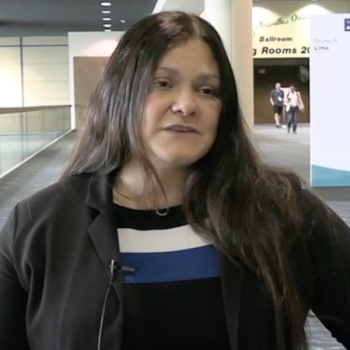
A Montefiore residency director explains the impact of engaging with communities to improve mental health care capability.

A greater reduction in UACR was observed with finerenone in patients taking GLP-1RA at baseline.

Montefiore's Carol A. Bernstein, MD, discusses the role of psychiatry specialists in discerning their colleagues' need for mental health care or resolutions to burnout.

Fidaxomicin had a 13.5% higher rate of 4-week sustained response compared to vancomycin and 13.2% higher rate for 8-week sustained response.

Patients with ≥1 CDI-related admissions versus no CDI admissions experienced higher rates of 6-month readmission and annual cost across all hospitalizations.

SER-109 engraftment was durable through week 24 and significantly higher than placebo at all time points for all comparisons.

Most adverse events reported were mild or moderate and found in a similar percentage of patients regardless of treatment cohort.

New data suggests there is no connection between ustekinumab and the risk of malignancies.

There are several companies preparing new treatments for recurrent C difficile infections.

There are several potential treatments on the horizon for C difficile infections.