

Gina Poe, PhD, discusses the potential role of beta blockers in treating psychiatric illness-related sleep, as well as the specific benefit of melatonin.
Gina Poe, PhD, discusses the potential role of beta blockers in treating psychiatric illness-related sleep, as well as the specific benefit of melatonin.
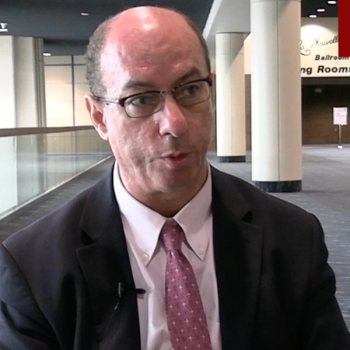
NIDA research director Carlos Blanco-Jerez, MD, PhD, reviews how stigma, language barriers and digital health create disparate outcomes in mentally-ill Hispanic patients.

Lois Choi-Kain, MD, MEd, discusses her field's interest in improving the modern diagnosis and evidenced-based treatment of personality disorders.
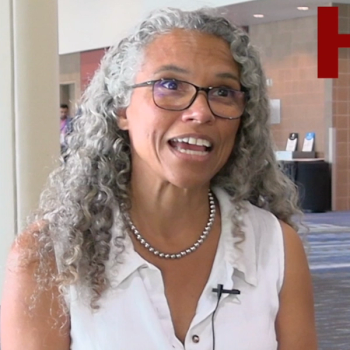
The UCLA-based investigator discusses the unique impact of PTSD on patients' sleep stages, and how they can limit their insomnia.

At DDW 2022, Dr. Sands highlights the positive findings from the LUCENT-1 study on the efficacy and safety of mirikizumab.
Patients treated with ustekinumab are not at an increased risk of malignancies.

Treating the disease could reduce the risk of patient distress.
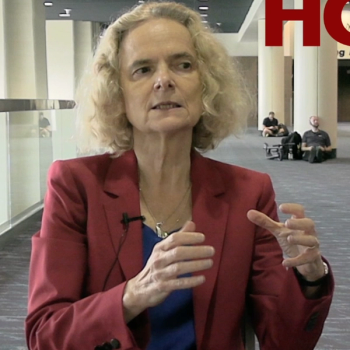
The director of NIDA discusses the interplay of substance use disorder and pain in patients, as well as means to assure patients are receiving evidenced-based treatment.

The modern psychiatrist may play many roles, including as a mentor and a facilitator to social-based support.

There are several live microbiota therapeutics in development, including RBX2660.
Data show the safety profile of Ustekinumab in long-term IBD pooled safety dataset was found favorable among bionaive patients.

The treatment has previously been approved by the FDA for the treatment of ulcerative colitis.

A discussion on the role of PLSec-AFP for HCC risk stratification in patients with cirrhosis and future screening implementations.
The NIDA director reviews neuromodulation's potential role in treating patients with multiple use disorders, and the importance of patient feedback in shaping clinical research.

Rachel Talley, MD, discusses the industry-level changes needed to trainee recruitment and retention to create a psychiatry field more representative of its patient population.
Rates per 100 person-years for adverse events, infections, and major adverse cardiac events were similar between placebo and ustekinumab through up to 5 years.

The age of screening for colon cancer has decreased in recent years.

Dr. Dubinsky said new IL-23 treatments could enable precision medicine in the future for IBD.

The findings show EUS-CDL is more efficient than ERCP-M with comparable short-term effectiveness and safety.
Data show the presence of five and six risk factors increased the risk of VTE exponentially to 10.9% and 25%, respectively

The treatment recently became the first ever FDA-approved medication for EoE.
With administration strategies for the psychiatric anesthetic drug well established, clinicians have interest in accumulating long-term data and other potential indications.
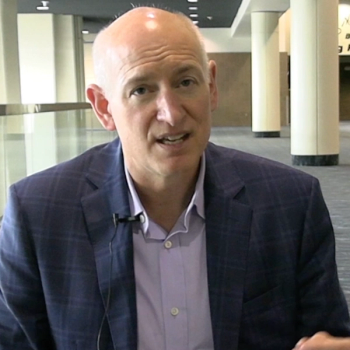
Brent Forester, MD, MSc, discusses the confluence of biomarker and disease-targeting therapy in Alzheimer's, and the need to appropriately introduce these tools.
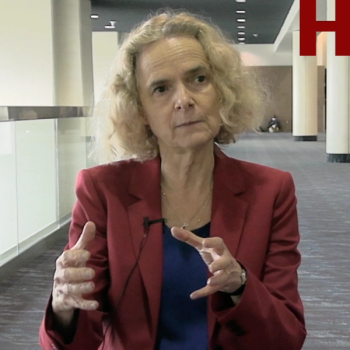
The director of NIDA discusses the unprecedented impact of the pandemic on overdose deaths—and how substance use disorder care may still reach greater capability when all is said and done.
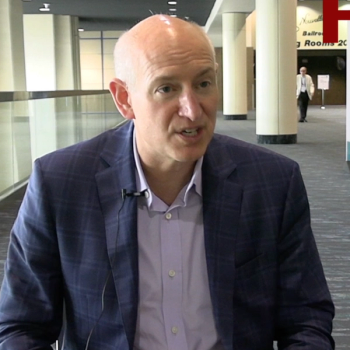
Dementia and Alzheimer's disease cases are anticipated to boom in coming decades. One expert stressed the need for improved screening and facilitation of care at the earliest stages and signs.
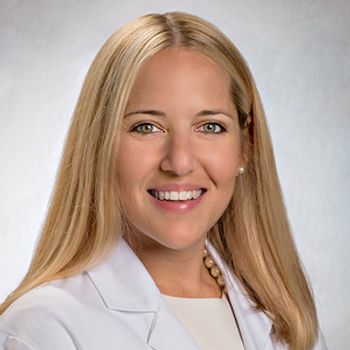
Data show the proportion of individuals with sustained clinical cure through Week 8 was 80.3% with CP101 treatment.
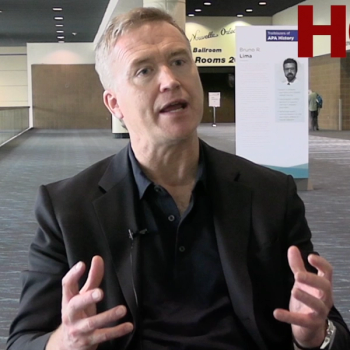
The lead author of treatment recommendations weighs in on their current use and future research.

Initial studies have shown a 73% efficacy for FMT in treating patients with HVGD.

BMI did not have an association with increased risk for death in any BMI category, according to study investigators.
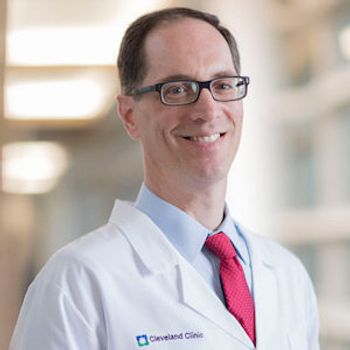
A look into the efficacy of ozanimod in patients with UC and the potential risk for cardiovascular events.