
Christopher Bunick, MD, discusses the future progress of acne management—including a potential mRNA vaccine current in development.
Christopher Bunick, MD, discusses the future progress of acne management—including a potential mRNA vaccine current in development.
New 16-week data from the SPROUT trial show the PDE4 inhibitor may be highly efficacious in chilren and adolescents.
The novel OX40 inhibitor showed significant efficacy in 4 different doses versus placebo in Fall Clinical Dermatology data.
With a broadening array of drug options, involving patients in the care process may be a key to adherence and long-term success.
Pooled data from 7 clinical trials show the IL-23 inhibitor is not associated with worsened risk of adverse events or infections.
Christopher Bunick, MD, PhD, reviews the benefit of antibiotic resistance, blood-brain barrier penetration, and digestive distress with agents like sarecycline.
Peter Lio, MD, shares his strategy for advancing severely impacted patients from systemic therapy to either upadacitinib or abrocitinib.
A dermatologist considers what the orally-administered TYK2 inhibitor will provide eligible adult patients.
Data from the phase 3 LIMMitless show patients received long-term benefit from the biologic, regardless of baseline demographic or disease status.
Peter Lio, MD, explains firsthand how abrocitinib and upadacitinib became the latest options for his most difficult-to-treat patients.
Raj Chovatiya, MD, PhD, reviews the clinical progression of tapinarof and roflumilast cream headed into the 2022 Fall Clinical.
Data from NORD Breakthrough Summit 2022 support the need for exacerbation prevention among patients with bronchiectasis, a rare chronic condition.
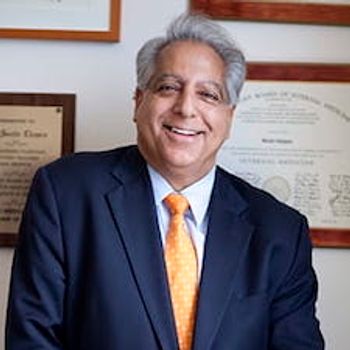
Dr. Chopra elaborated on his Pri-Med Midwest 2022 presentation regarding the future of advances in medicine, specifically highlighting artificial intelligence, gut microbiome research, and gene editing.
Dr. Chopra described several key points of his Pri-Med Midwest presentation regarding the future of advances in medicine, including artificial intelligence, gut bacteria, and CRISPR technology.
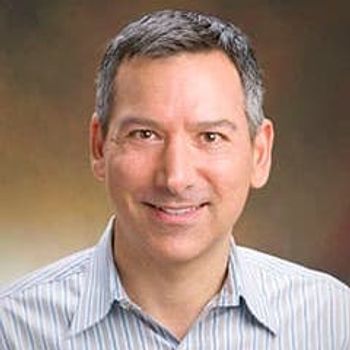
A study featured at CHEST 2022 investigated INCS in children with OSAS to determine if the therapy improved their symptoms, polysomnography findings, behavior, and quality of life.
The emergence of weight loss agents like tirzepatide and an FDA Fast Track designation announced days earlier, endocrinologists were excited to discuss what's happening at Pri-Med Midwest 2022.
A highlighted description of some key takeaways from presentations at Pri-Med Midwest 2022, including such topics as infectious disease, monkeypox, colorectal cancer, psoriasis, and COVID-19.
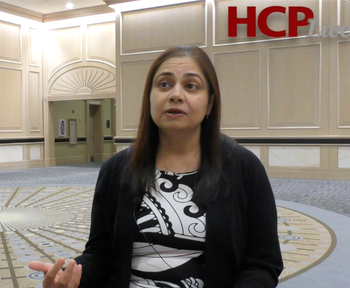
As the age of diagnosis for pre and type 2 diabetes continues to decrease, Dr. Tina Thethi believes in focusing on reducing risk factors to prevent further complications.
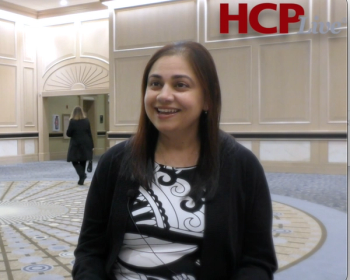
The ongoing buzz around GLP-1 RAs, like semaglutide, and now the GIP combination drug tirzepatide, reached a summit at Pri-Med Midwest 2022.
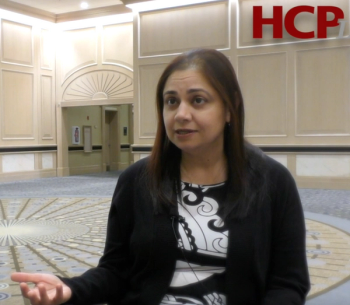
"When you decrease the weight, that also improves the metabolic parameters. The A1c goes down, it helps bring the fasting glucose down, including even liver parameters," she explained.
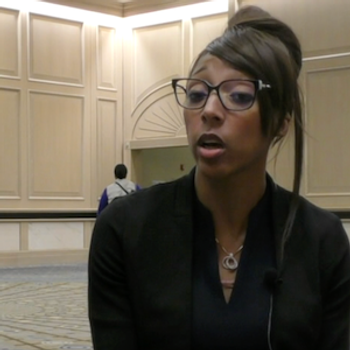
An interview with Dr. Anwuri regarding her Pri-Med Midwest presentation on treating adult plaque psoriasis.
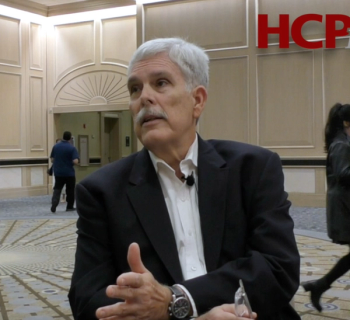
Semaglutide (Wegovy) has drawn attention for its indication of weight loss. Recently, however, the focus has shifted to the data surrounding tirzepatide.
Despite the efforts to increase the affordability of GLP-1 receptor agonists cost-effectiveness is still a barrier for many patients living with diabetes looking for effective therapies.
In an interview during Pri-Med Midwest, Dr. Kushner spoke about the benefits of treating obesity and diabetes synchronously.
A discussion with Dr. Vega regarding colorectal cancer screenings, aspirin use recommendations, and the current state of healthcare.
Primary Care Physicians (PCPs) play a crucial role in endorsing lifestyle counseling and facilitating integrative care for their patients.
An interview with Dr. Vega regarding atrial fibrillation and clinical manifestations for ADPKD.
A discussion with Dr. Angarone regarding his presentation at Pri-Med Midwest, exploring the topic of treating infectious disease in developing countries.
A discussion regarding highlights from Dr. Charles Vega’s presentation on common urgent care presentations and concerns regarding acute pain.
"Less than 2 or 3% of individuals with obesity—who are candidates for pharmacotherapy—actually receive a medication," Dr. Robert Kushner explains in an interview.