

The potential for personalized medicine in inflammatory bowel disease might. be realized in the next few years.
The potential for personalized medicine in inflammatory bowel disease might. be realized in the next few years.

Upadacitinib was not approved by the FDA until 2022 for patients with ulcerative colitis.

A discussion with Henry Lim, MD, during an interview segment in which he described photoprotection measures for various skin phenotypes and his outlook on future research.

The 12-24 session counseling program also resulted in improvements in sleep quality, fatigue level, and stress levels for patients with inflammatory bowel disease.

The majority of patients who achieved persistence at the 12 month mark were also corticosteroid free.

The product is a combination of herbal compounds curcumin and QingDai called CurQD.
Microscopic inflammation can be an important indicator of disease activity in patients with ulcerative colitis.

An interview segment on HCPLive with James Del Rosso, DO, in which he explores key highlights from his presentation at the 2023 Winter Clinical conference.
An HCPLive interview with Henry Lim, MD, during which he describes the differing needs of various skin types and the differences in sunscreen regulations.
An interview segment with Henry Lim, MD, on his presentation from Winter Clinical regarding different photoprotection measures for different phenotypes.

In a segment of his HCPLive interview regarding his Winter Clinical presentation, James Del Rosso, DO, highlighted several points about acne and rosacea treatment.

This segment of Raj Chovatiya’s interview with HCPLive, a discussion was conducted regarding facts about abrocitinib for atopic dermatitis treatment.
During an HCPLive interview on his presentation at Winter Clinical, Raj Chovatiya discussed the use of abrocitinib on atopic dermatitis patients.
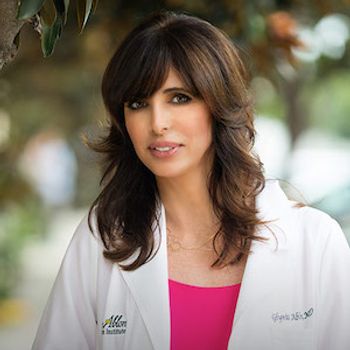
In a Q&A interview with Glynis Ablon, the dermatologist described highlights from her recent Winter Clinical presentation on new devices for clinical practice.
"The challenge right now is that we have no therapies in the emergency department to treat acute pain, outside of pain medications and IV opioids," Dr. Claudia Morris says in an interview.

The motive of the study wasn't to implement hematopoietic stem cell transplantation (HSCT) programs worldwide, but as a contribution to comprehensive cancer control efforts.
According to Dr. Corinna Schultz, a key part of the conversation of sickle cell trait (SCT) is centered around reproductive choices for the patient in the future.
Dr. Adam Lamble recommends that pediatric patients with AML and TP53 status should now be considered for transplant in first remission, and novel interventions are warranted.

Dr. Molly Tokaz and Dr. Lisa Force discuss the extensive data they collected on the utilization of hematopoietic stem cell transplantation (HSCT) for patients with AML.
Almost 25 years later, Dr. Claudia Morris concluded 2022 by presenting phase 2 data at the 64th ASH Annual Meeting that demonstrated the therapy's benefit, and her original premise. Her team's phase 3 trial evaluating Arg is currently underway.
Dr. Adam Lamble shares that outcomes for pediatric patients with acute myeloid leukemia that have TP53 status are inferior to other patients with high-risk disease.
Dr. Corinna Schultz talks about her latest data and the growing body of literature showing medical complications that can come with sickle cell trait.
New developments in gene therapy offer a promising perspective of a future where curing sickle cell disease (SCD) is possible.

Expert Stephanie Guarino, MD, MSHP, shares her plan for the future of pain management specifically for sickle cell disease is based on results from a series of studies.

The most common thrombophilia types were heterozygosity for factor V Leiden, prothrombin 20210A mutation, and protein S deficiency.

More research presented by Dr. Stephanie Guarino resulted in a recommended guideline designed for investigating sickle cell disease pain to standardize and enhance the quality of data.

In a late-breaking abstract presented during ASH 2022, investigators found patients treated with PTCy had a significantly lower hazard of GRFS than the standard therapy group.
A recent study presented at ASH 2022 examined the safety profiles of different hormonal contraceptives for female sickle cell disease patients at risk of thromboembolism.

The advisory committee voted 3-8 against the benefit-risk profile of omecamtiv mecarbil for heart failure with reduced ejection fraction.

The treatment was superior in various secondary endpoints, included transfusion avoidance, changes from baseline in hemoglobin level, FACIT-F scores and ARC, and the rate of clinical BTH.