

Antibiotics followed by oral SER-109 demonstrated a low rate of recurrent clostridioides difficile infection through week 8, regardless of the number of prior episodes.
Antibiotics followed by oral SER-109 demonstrated a low rate of recurrent clostridioides difficile infection through week 8, regardless of the number of prior episodes.

Extended induction treatment with upadacitinib 45 mg led to achievement of clinical response in a clinically meaningful proportion of patients with ulcerative colitis who do not respond to 8 weeks of induction therapy.
RBX2660 reduced clostridioides difficile infection recurrence at 8 weeks, with a sustained clinical response through 6 months, in an open-label phase 3 cohort of patients representative of real-world clinical practice.
The agency has set an April 26, 2023 action date for the live microbiotic therapeutic for the prevention of recurrent CDI.
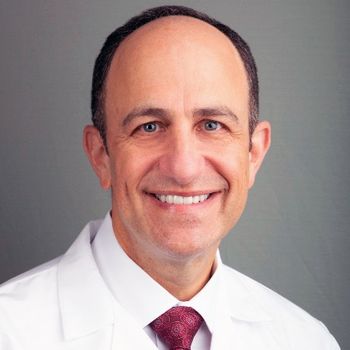
Treatment with guselkumab resulted in greater improvements across key clinical and endoscopic/histologic outcome measures at week 12 compared with placebo in patients with moderately to severely active ulcerative colitis with or without a history of inadequate response or intolerance to advanced therapy.

The median DeMeester score decreased from 32-3.7 following LTF.

Patients with ulcerative colitis treated with combination induction therapy with guselkumab plus golimumab followed by guselkumab monotherapy achieved higher rates of the several end points at week 38 as compared to either guselkumab or golimumab alone.

Twelve additional weeks of subcutaneous risankizumab induction was efficacious and well-tolerated in patients with Crohn's disease following an initial risankizumab 12-week induction dose.

Risankizumab induction relieved Crohn's disease symptoms and maintenance doses were effective in resolving abdominal pain, with other mixed findings for other patient-reported outcomes in the maintenance phase.

If approved by the FDA, RBX2660 would be the first approved live microbiota therapeutic for the treatment of recurrent CDI.

The COVID-19 pandemic has hurt the effort of colorectal cancer screenings.

Treatment with terlipressin led to better long-term clinical outcomes for patients with hepatorenal syndrome who received a liver transplant.

On-demand vonoprazan at all investigated doses was significantly better than placebo in providing rapid and sustained relief from heartburn episodes in patients with nonerosive reflux disease.

Weekly dupilumab 300 mg versus placebo demonstrated statistically significant, clinically meaningful improvements in histologic and endoscopic outcomes and symptoms in adults and adolescents with eosinophilic esophagitis.

The approval of risankizumab represents the first IL-23 approved for IBD.

With dupilumab already available and JAK inhibitors on the way, clinicians have a bevy of treatments designated for pediatric patients.

Falloon presented new data at ACG 2022 on identifying biomarkers for pouch inflammation.

Patients with NAFLD were more likely to have comorbidities, including diabetes, hypertension, chronic respiratory disease, hypothyroidism, chronic kidney disease, sleep apnea, and hyperlipidemia.
A 30 mg dose of upadacitinib led to a 1 month longer clinical remission and approximately 20% of patients had less severe disease at 52 weeks, when compared with a 15 mg dose for patients with active ulcerative colitis.

The rate of serious infections was 5.9 events per 100 person-years in the placebo group, compared to 5.0 events in the upadacitinib 15 mg cohort and 3.2 upadacitinib 30 mg group.

In data presented during ACG, investigators found patients with malnutrition and CDI had higher mortality and increased hospitals costs compared to those without malnutrition.
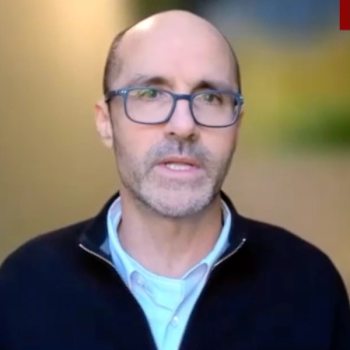
In consideration of emerging JAK inhibitor options, and the current prescribing availability of baricitinib.

New open-label extension data support the long-term use of the systemic therapy in patients with moderate-to-severe disease.

The study results are consistent with previous meta-analyses that show the efficacy of FMT in patients with IBD compared to placebo.

Bezlotoxumab is a fully humanized monoclonal antibody approved by the US Food and Drug Administration in 2017 for the prevention of recurrent CDI.

Brett King, MD, PhD, explains the altered screening and care strategies for patients following baricitinib's approval.

Real-world analysis comparing systemic therapies show dupilumab better improves EASI and quality of life among affected children.

Brett King, MD, PhD, discusses the newly available JAK inhibitor—the first systemic therapy approved for the hair-loss condition.

Data from the ongoing TARGET-DERM AM observational study show patients with more exposed disease have generally worse severity and challenges linked to quality of life.

The JAK inhibitor received FDA approval for vitiligo this summer. Investigator now see it as a potent non-steroidal option for eczema.