

An interview with Dr. Rosen regarding his SDPA 2022 presentation on dermatologic conditions with white spots that are often misdiagnosed as vitiligo.
An interview with Dr. Rosen regarding his SDPA 2022 presentation on dermatologic conditions with white spots that are often misdiagnosed as vitiligo.
A discussion with Dr. Rosen on one of his SPDA 2022 presentations, highlighting his reason for choosing the topic and exploring vitiligo misdiagnosis.

Findings from the ongoing LIBERTY AD OLE trial show the sustained long-term effect of the biologic therapy for eczema.
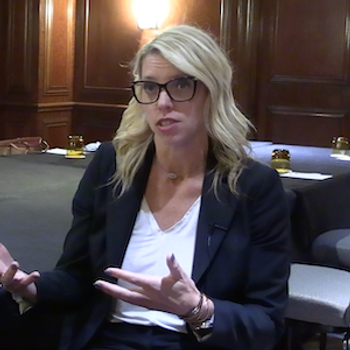
A discussion with Dr. Orozco on her SDPA 2022 presentation, discussing useful resources for physicians and PAs looking to get involved in the PAs Go Beyond campaign.
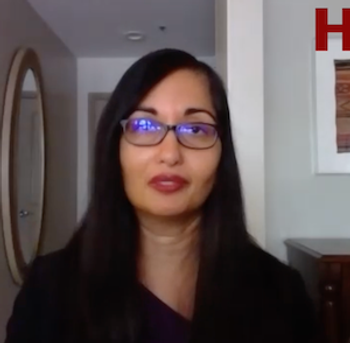
In her SDPA 2022 presentation interview, Dr. Katta explores gaps in knowledge regarding the connection between skin disease and dietary health, as well as ways to address these concerns.
Dr. Katta’s interview regarding her SDPA 2022 presentation, during which she discusses the topic of obesity, dietary health, and their relationship with skin conditions like psoriasis.

Online survey results show adults with psoriasis in specific areas may be treating and monitoring disease without clinician guidance—sometimes out of embarassment.
Long-term, real-world data show the IL-23 inhibitor benefits patient-reported measures of psychological wellbeing.
New data show adults receiving the biologic for eczema may see improvements in sleep disturbance within 4 weeks.
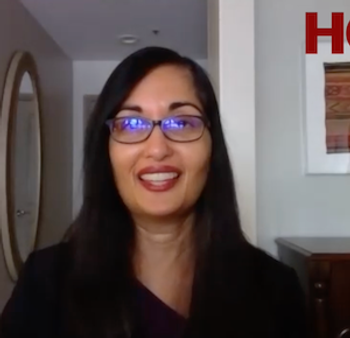
An interview with Dr. Katta on her SDPA 2022 presentation, in which she covers the topic of obesity and its relationship to skin conditions such as plaque psoriasis.
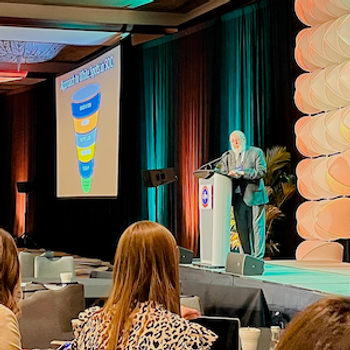
In one of his SDPA 2022 presentations, Dr. Rosen spoke on different dermatological conditions with vitiligo-like presentations.

Phase 3 data suggest children aged <6 months to 5 years old have benefit in itch relief and skin clearance as soon as 1 week into systemic therapy regimens.
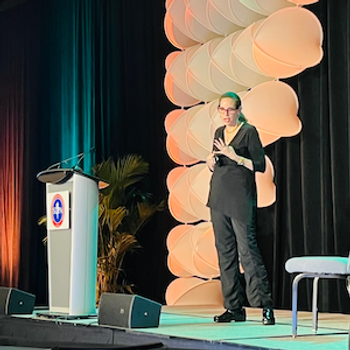
During her SDPA 2022 presentation, Cynthia Trickett explored the topic of psoriasis, including comorbidities and treatment options.

New data from ECZTRA 1 and 2 show patients unable to achieve complete skin clearance nonetheless benefitted in at least 1 component of disease improvement.
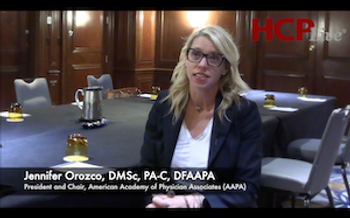
An interview on several major highlights from Dr. Orozsco’s presentation about the greater visibility and importance of physician associates at SDPA 2022.
An interview with Dr. Orozco regarding her presentation at SDPA 2022 on the topic of physician associates and their value in the modern medical system.
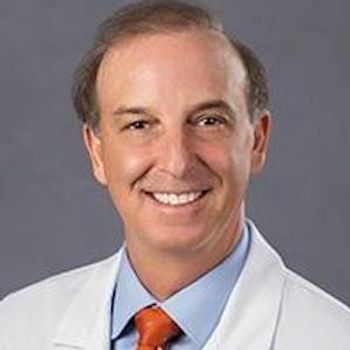
An SDPA 2022 interview with Dr. Robert Kirsner regarding his presentation regarding the topic of wound healing and related changes in the field.
An interview at the SDPA 2022 Conference on major talking points from Dr. Robert Kirsner’s presentation on wound care with dermatologists and physician associates.
An interview from SDPA 2022 regarding highlights from Dr. Robert Kirsner’s presentation on dermatologists and wound healing.

Dr. Jula Inrig explains the mechanism of action for the Dual Endothelin Angiotensin Receptor Antagonist (DEARA) investigational candidate Sparsentan, for rare kidney diseases.
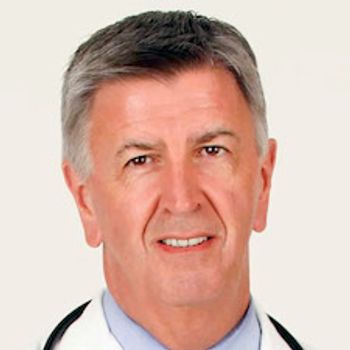
The efficacy of H pylori treatments has waned in recent years, largely because of clarithromycin resistance.

At AHA 2022, Dr. Ray discusses the findings from the phase II open-label extension trial and highlights other important trial data for lipidologists.

The approval of risankizumab represents the first ever IL-23 approved by the FDA for IBD.

A deep dive into exciting late-breaking trial data at AHA 2022, differences in chest pain guidelines, and bringing patient voice into clinical research.

A Q&A with Dr. Bonaca highlights new data on rivaroxaban for PAD and the late-breaking science at AHA 2022.
At the International Pediatric Sleep Association (IPSA) Congress 2022, investigators from Sleep Number presented 2 investigations that utilized its smart bed technology to analyze pediatric sleep behaviors.

The trial achieved its primary efficacy endpoint of terminating PSVT with self-administered etripamil, using symptom-based optional repeat dosing.
Dr. Jula Inrig highlights the key data presented at ASN Kidney Week on investigational candidate Sparsentan for IgA nephropathy.
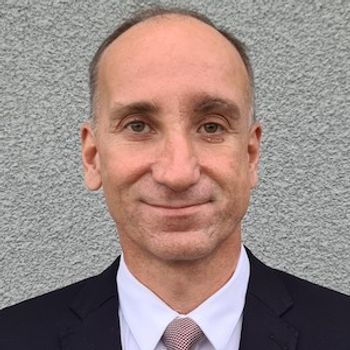
Patients with early VA-ECMO use saw comparable outcomes to those who initially received conservative therapy for hemodynamic stabilization.

Education and place of birth contribute the most to the racial and ethnic differences observed in mean CVH score.