

At the AAAAI 2023 Annual Meeting, Dr. Debajyoti Ghosh explains the importance of understanding the effect of phthalates, specifically di-2-ethylhexyl phthalate (DEHP).
At the AAAAI 2023 Annual Meeting, Dr. Debajyoti Ghosh explains the importance of understanding the effect of phthalates, specifically di-2-ethylhexyl phthalate (DEHP).

In an interview at ACC 2023, Harrington elaborated on the upcoming phase 3 Librexia clinical trial program studying the Factor XIa inhibitor for the prevention of thrombotic events.

An interview with Dr. Annapoorna S. Kini at ACC 2023 breaks down the findings on the effect of evolocumab on coronary plaque characteristics in stable CAD from the YELLOW III study.

Implantation of a pacemaker to enhance exercise heart rate did not improve exercise capacity, symptoms, or exercise cardiac output in patients with HFpEF and chronotropic incompetence in the RAPID-HF trial.

In patients with acute coronary syndrome and multi-vessel heart disease, immediate stent treatment was as safe and effective as staged treatment at one year, according to late-breaking data presented at ACC 2023.

In a Q&A at ACC 2023, Drs. Alexandra Murphy and Birgit Vogel of Mount Sinai discuss sex-specific predictors of MACE and the need for individualization of care to achieve equity in cardiovascular health.

Results from the STOP-CA trial suggest patients taking atorvastatin for one year were significantly less likely to show evidence of heart dysfunction than those who took a placebo.

The TRILUMINATE Pivotal trial reports a reduction in the severity of tricuspid regurgitation with TEER, but no significant difference in survival or hospitalization after one year of follow-up.

A new meta-analysis of 9 randomized trials suggests restricting dietary sodium intake to levels below 2.3 grams per day may increase the risk of death in patients with heart failure.
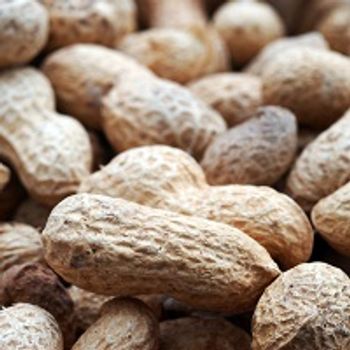
Data from AAAAI 2023 suggests that gut microbial composition, function, and metabolic activity are implicated in the efficacy of peanut oral immunotherapy in children with peanut allergy.
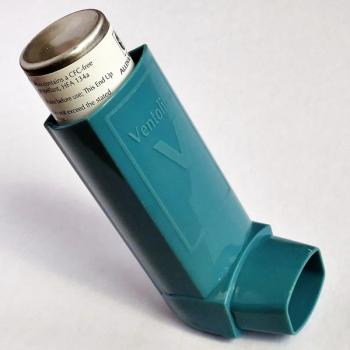
In recent data presented at the AAAAI annual meeting, dupilumab was found to have outperformed both mepolizumab and omalizumab in FEV1 improvement for asthma patients.

Data shown at the AAAAI annual meeting showed that chronic spontaneous urticaria activity and DLQI rankings were higher following dupilumab treatment.

Data presented at the AAAAI annual conference showed that delayed cutaneous reactions were more reported following Moderna COVID-19 vaccination than other vaccines.

New data presented at the AAAAI annual meeting showed that a significant number of patients recommended to be evaluated for drug allergy never completed their diagnostic tests.
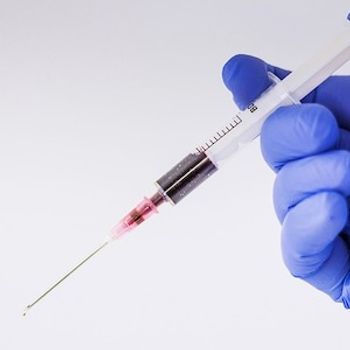
Data presented at the AAAAI annual meeting showed that machine learning models had a high accuracy rate in penicillin allergy prediction, though researchers concluded that more data is needed before adoption.
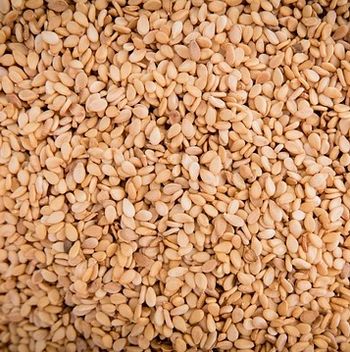
Recent data, presented at the AAAAI annual meeting, showed that oral sesame desensitization through crushed seeds and tahini was efficacious and safe for pediatric patients.

In this interview segment at AAAAI, Altman went into a discussion on challenges to systems biology approaches for allergic disease.

A study presented at the AAAAI 2023 Annual Meeting shows over 80% of the 20 patients with chronic allergy symptoms report significant improvement in their allergy symptoms after 2 weeks of intranasal cleansing with NasoClenz.
Approximately 42% of prodrome-associated DEGs were also associated with hereditary angioedema attacks, indicating that multiple enriched gene networks with common hub genes and upstream regulators are shared between the prodromal and acute attack stages.

In data presented at the AAAAI annual conference, 5 common contact dermatitis-causing allergens were identified, emphasizing the importance of patch testing.

An interview featured Bird discussing data from his AAAAI annual meeting presentation on a new oral immunotherapy product for those with peanut allergies.

The study found that COVID-19-induced sensory distortion is a multifactorial syndrome with distinct phenotypes and can have long-term effects on sensory perception.

Data featured at the AAAAI 2023 Annual Meeting revealed that children with current or prior SARS-CoV-2 infection had more autoantibodies than healthy children.
In a presentation at the AAAAI 2023 Annual Meeting, new data suggested that treating early symptoms may be a viable strategy for preventing acute attacks in patients with hereditary angioedema (HAE).
New data presented at the 2023 AAAAI Annual Meeting indicated that infants with anaphylaxis had different symptoms from those who were older, with greater involvement in other areas.

In another recent HCPLive interview at AAAAI, Altman described examples of systems biology approaches to allergic disease and the importance of cross-disciplinary collaboration.

Late-breaking data presented by Dr. Christopher Warren indicates travelers with food allergy lack confidence in regulations and accommodations put in place for air travel.
Altman spoke in a recent interview about the main takeaways from his AAAAI presentation, during which he discussed systems biology research into allergic diseases.
"You want to be empowering children to be proactive and managing their medical condition in the healthiest, safest possible way," Dr. Christopher Warren said in an interview at AAAAI 2023.

In an interview segment with Nelson, she described elements from her AAAAI presentation, including when to use biologics or JAK inhibitors and what goes into patch testing for allergic skin reactions.