

Dr. Angarone highlighted several key takeaways from his presentation at Pri-Med Midwest.
Dr. Angarone highlighted several key takeaways from his presentation at Pri-Med Midwest.

A discussion regarding highlights from Dr. Michael Angarone’s presentation on emerging infectious diseases.
The SpyGlass IOL platform showcased a 45% drop in mean intraocular pressure at 3 months in first-in-human glaucoma trial.

Safety data of the bioerodible sustained delivery intravitreal anti-VEGF treatment indicate no ocular or systemic serious adverse events with mild adverse events.
A discussion into safety data from the Phase 3 DERBY and OAKS trials on pegcetacoplan with Dr. Boyer at AAO 2022.

New data from AAO 2022 show how technology may refine a currently inefficient enrollment practice for retina disease assessment.

Two-year results from YOSEMITE and RHINE suggest that the positive results of faricimab for DME in year one carried into second year. Dr. Caroline Baumal joins for an in-depth discussion on the findings.
A real-world comparison of the anti-VEGF agents suggests certain doses are associated with more likelihood of retreatment.

Faricimab treatment for both DME and nAMD was able to reliably get to 16 week dosing in 60% of eyes from YOSEMITE and RHINE and TENAYA and LUCERNE.

Findings from the INSIGHT study suggest MYL-1701P may provide a new anti-VEGF biosimilar option to patients with the common form of vision loss.

The 48-week results suggest robust CST reduction and visual gains with faricimab up to every 16 week dosing, comparable with aflibercept ever 8-weeks.

The data show 80% of patients were rescue-free up to 6 months with a single OTX-TKI implant injection.

A significant rate of reduction of geographic atrophy growth with pegcetacoplan was observed in both DERBY and OAKS over a 24-month period.
A look into major takeaways on efficacy, safety and functional data from the DERBY and OAKS trials on pegcetacoplan.
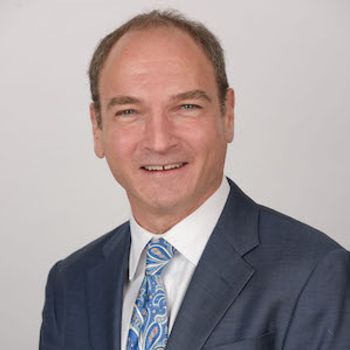
Brolucizumab was deemed superior to aflibercept in treatment naive patients with neovascular age-related macular degeneration.

New AAO 2022 data show the novel treatment administration may eventually save patients money versus standard anti-VEGF injfections.
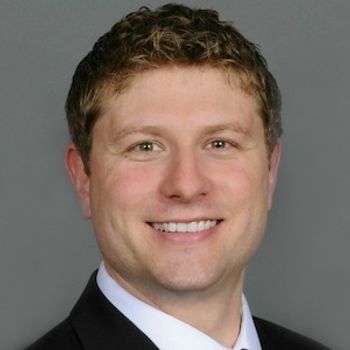
New findings show the investigative single-dose agent is safe and associated with reduced rescue-dose anti-VEGF treatment.

Comparison of 12- and 24-month regimens of common nAMD treatment show little difference in the common adverse event in patient eyes.

Brolucizumab every four weeks met efficacy end points versus aflibercept at end of MERLIN study, but with higher incidences of intraocular inflammation.

GATHER2 reports a 14.3% reduction in mean rate of growth in GA area over 12 months with avacincaptad pegol compared to sham.

The least squares mean change from baseline in BCVA at Week 8 was 6.7 letters for SB15 versus 6.6 letters for aflibercept.

Dr. Craig Granowitz of Lexicon Pharmaceuticals details the success of the LX9211 clinical trial for painful diabetic neuropathy and the unique study design.

Large numbers of vitiligo patients around the world have reported differing outcomes, with darker skin types expressing the more significant severity, according to new findings.

Research presented at EADV 2022 sees positive outcomes with the targeted therapy for patients of varied backgrounds with vitiligo.

Novel insights into the risk-benefit profile of nintedanib in children and adolescents with fibrosing interstitial lung disease (ILD) were provided by late-breaking data presented at ERS 2022 regarding the InPedILD clinical trial.

These data support web-based self-management for individuals with COPD with an objective, clinically relevant, short-term increase in physical activity levels compared to usual care.
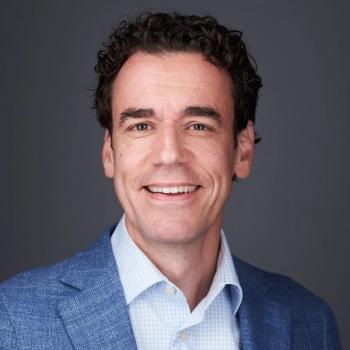
“From this study it makes sense that the (icenticaftor) 300mg dose has a benefit-risk profile to further study the clinical benefits,” Dr. Frits Franssen, lead investigator, said at ERS Congress 2022.

Temperatures changes between summer and the rest of the year correlated with the magnitude of decrease in renal function during summer.

Increased risk of AF by fish oil supplement was found to be prominent in low risk participants with healthy lifestyles.
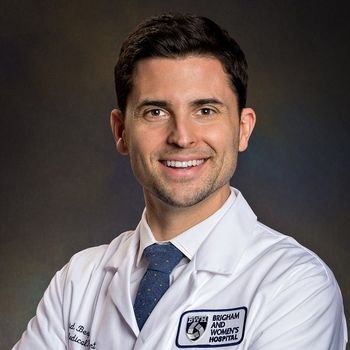
Full-dose anticoagulation, but not clopidogrel, reduced thrombotic complications in critically-ill patients with COVID-19.