
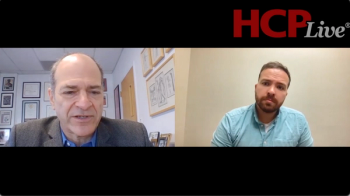
Paul M. Ridker, MD, discusses the latest findings from the canakinumab trial before highlighting his team's work with ziltevekimab in ZEUS.
Paul M. Ridker, MD, discusses the latest findings from the canakinumab trial before highlighting his team's work with ziltevekimab in ZEUS.

Dr. Butler discusses findings from the FIDELITY analyses on the consistent benefits of finerenone, regardless of ASCVD history in patients with CKD and T2D.

A discussion into broadening the findings of the SuperWIN trial and its potential effects on a larger, more at-risk population.
Dylan Steen, MD discusses positive findings from the trial on links between personalized education and DASH diet adherence.
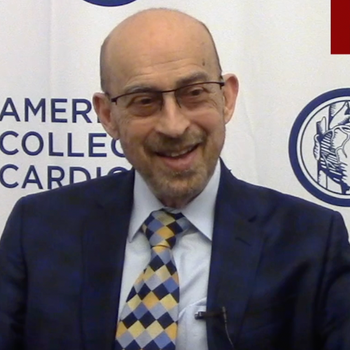
Steve Nissen, MD, reviews the promising phase 1 APOLLO findings, and details what needs to be investigated next for the siRNA.
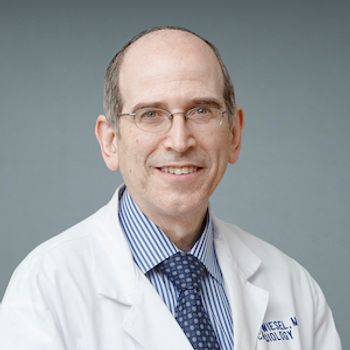
Once a day readings over a year would detect 98.3% of the first Afib >24 hour episodes, while the probability of ≥1 false positive reading would be 98%.
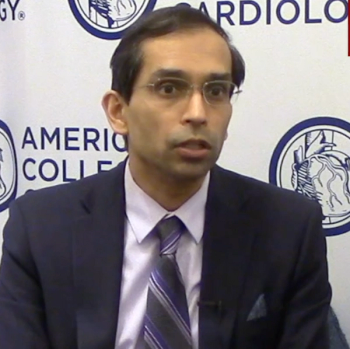
Deepak L. Bhatt, MD, MPH, reviews the latest phase 2b trial data supporting the fast-acting monoclonal antibody infusion for bleeding risk reversal.
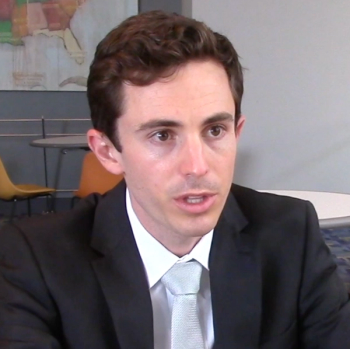
VOYAGER PAD subgroup analyses showed the anticoagulant reduced likelihood of hospitalization without increasing bleeding risk in patients with CKD.

Lead SODIUM-HF investigator Justin Ezekowitz provides insight into the trial and why dietary interventions may still be important for heart failure care.
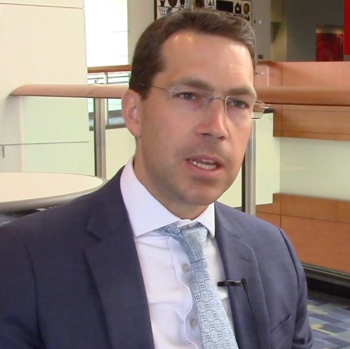
Study author Brian Bergmark, MD, discusses what's next for the ANGTYL3 inhibitor, as well as promising developments in lipid-targeting therapies.

Larry Allen, MD, discusses some of ACC 2022's biggest contributions toward improving evidence-based care to patients with HF.
The majority of patients with HFrEF and RAASi-related hyperkalemia achieved optimal doses of RAASi when treated with patiromer.

No difference in the primary outcome was observed between those randomized to influenza vaccine compared to placebo.

In a new interview from ACC 2022, Florian Rader, MD discusses the potential of the new medication for HCM and the need to monitor safety signals over the long-term.

New phase 1 APOLLO data show the investigative single-dose siRNA infusion may address an inherent risk factor for severe cardiovascular events.
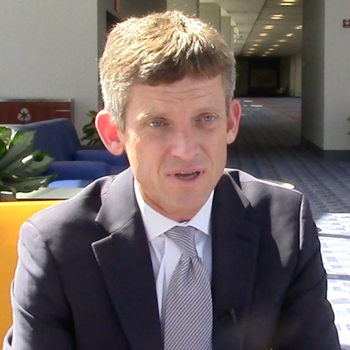
Larry Allen, MD, explains the significance of introducing SGLT-2 inhibitor recommendations to various stages of heart failure treatment and prevention guidelines.

A national survey assessment compared against the 6-item "ABCDs of ASCVD prevention" show the significant prevalence of obesity.

Desai discusses the potential long-term effects of mavacamten and what it could mean for a patient population with HCM.

Investigators believe the novel monoclonal antibody may be a suitable agent in patients with major bleeding risk or those undergoing surgery.

Findings from SODIUM-HF suggest strategies to reduce dietary sodium intake to less than 1500 mg daily were not more effective than usual care in reducing hospitalization risk.
Findings from VALOR-HCM suggest more data is needed to assess the durability of improvement in septal reduction therapy eligibility over longer time periods.

New late-breaking ACC 2022 data support the use of antihypertensive therapy to reduce risk of events including preeclampsia and neonatal death among at-risk expecting mothers.

New research suggests a consistent risk reduction of empagliflozin may be theorized independent of region or race categories.

An investigator discusses new ACC 2022 data showing valvular heart disease is disparately impacting older patients, as well as females, with previously unanticipated manifestations.

Hospitalized HFrEF patients had a higher rate of the cardiovascular death or a worsening heart failure event than outpatients
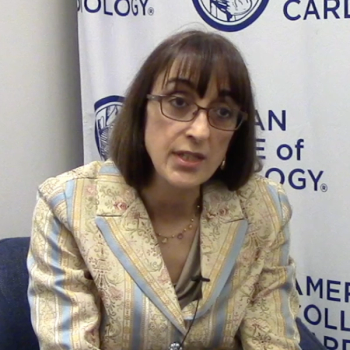
Guideline writing committee co-chair Biykem Bozkurt, MD, PhD, discusses the utility of the drug class in HF prevention and risk reduction.

A new AAD study shows board-certified experts produce only one-fourth of the most popular TikTok posts on subjects in their field.

An assessment of long-term VOYAGER 1 and 2 trial data show the IL-23 biologic provides significant benefit toward skin clearance, regardless of baseline characteristics.

The VALIANT study featured a cross-sectional online survey that was used to recruit adult patients 18 years and older who were professionally diagnosed with vitiligo.
Data from the ADhere studies found that lebrikizumab was well tolerated in patients with atopic dermatitis.