

New ASH 2021 data for the stem cell transplant therapy suggest it has a durable and safe benefit for adults with severe disease.
New ASH 2021 data for the stem cell transplant therapy suggest it has a durable and safe benefit for adults with severe disease.

Investigators added improvements were needed regarding access to complete diagnostic evaluation among Black patients, citing disparities in care.

New research on the preclinical product TALGlobin01 reveals the potential impact that gene therapy can have on the future of sickle cell disease treatment.

New cohort analysis suggest a heightened risk of atrial fibrillation may be worsening patients' life expectancies.

Investigators aimed to improve lentiviral vectors to boost therapeutic β-like globin levels without increasing the mutagenic vector load in hematopoietic stem/progenitor cells.

New data for the Rocket Pharmaceutical gene therapy candidate show durable benefit in patients 6 months out from transplant.

The global biopharmaceutical company released research data on rozanolixizumab and zilucoplan at the 2021 ASH annual meeting and exposition.

An international assessment shows many patients are wary of emergency rooms, and clinicians want more diverse therapies.

Data show 12 of 25 strokes (48%) in a cohort of children did not met the definition of typical stroke related to sickle cell cerebral vasculopathy.

Data from phase 1 and phase 2 of the Alta study was presented at ASH this weekend.

Defined roles and research-informed recommendations are lacking for clinicians navigating birth control with females with sickle cell.

Investigators suggested this approach will allow for comprehensive mapping of the genomic landscape and clonal evolution of stem cells in sickle cell patients

Patients with sickle cell disease often suffer from acute kidney injuries and chronic kidney disease.

Shaji Kumar, MD, presents final Phase 3 data of the BELLINI trial at the ASH 2021 conference.

An ongoing assessment of caregivers considering hydroxyurea initiation for children with sickle cell disease provides a look into how such families are handling telemedicine and the pandemic.

Data show the average maximum cortical capillary RBC velocity is significantly greater in sickle cell mice compared to controls.
New ASH 2021 data shows how guidance is still lacking for clinicians responsible for addressing contraception with women with sickle cell disease.

Fish oil intervention and DASH diet show no statistically significant effect on glycemic control and adiposity.

Participants with diabetes mellitus specifically were more prone to develop insulin resistance due to BPA exposure as compared to non-diabetic participants

Data show the relative expression of SORT1 gene was upregulated by 4.438 fold in patients with CAD, compared to control.

Of the 416 basal insulin initiators, only one-third of them reached the appropriate fasting blood glucose level.

Dr. Zeitler highlights the long-term microvascular risk complications observed in T2D patients in the TODAY2 observational study.

These reductions, investigators noted, were slightly greatest yet not statistically significant.

Data show cfPWV at 17.7 years was independently and directly associated with total fat mass and trunk fat mass at 24.5 years.

Investigators added that they interact directly with the insulin signal transmission pathways.

Investigators also reported that cardiorespiratory fitness was superior in patients with complete revascularization when compared to the patients with incomplete revascularization.
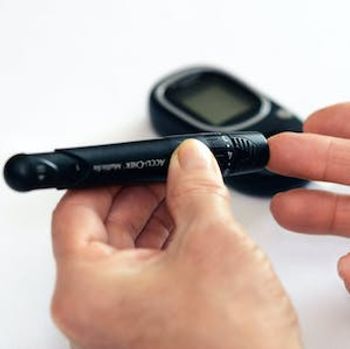
Patients with type 2 diabetes treated with triple therapy had less hepatic steatosis and fibrosis and significantly improved insulin sensitivity versus conventional therapy.

The team estimated the time to individual plasma glucose recovery following exposure to the medication.

Data show the age-adjusted prevalence of hyperinsulinemia in adults without diabetes increased by 18% in the study population between 1999 - 2000 and 2017 - 2018.

In keeping with earlier data, investigators suggested that metabolic syndrome was associated with severe cases of infection.