

The live microbiota therapeutic has shown promise in treating patients with recurrent CDI.
The live microbiota therapeutic has shown promise in treating patients with recurrent CDI.

Patients who have IPAA are more than twice as likely to suffer from male sexual dysfunction.

Patients treated with TNF- antagonists had a higher deep remission rate compared to patients treated with ustekinumab.

Patients with IBD are often at an increased risk of developing NAFLD.

New data from DDW 2022 show inpatient mortality rates were lower in patients with history of bariatric surgery.

Dr. Blount discusses the DDW 2022 poster of distinction on the investigational live biotherapeutic.
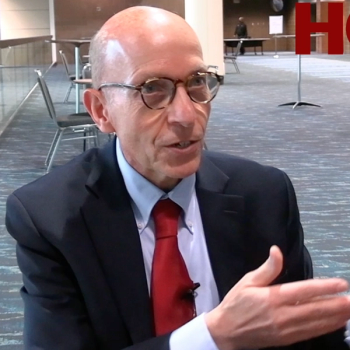
Amid significant psychotherapy innovation and consideration to broader aspects of mental illness definition, Jonathan Alpert, MD, PhD, emphasizes the need for improved clinical trial standards.

Post-treatment, data show molecular age remained significantly greater than chronological age at a median difference of 18.6 years.
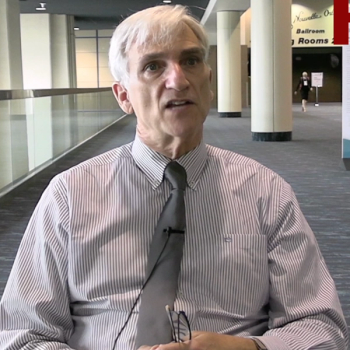
New phase 3 data presented at APA 2022 support the agent as an adjunctive in older patients without benefit from monotherapy antidepressant medication.

The data presented at DDW show similar safety and efficacy for the 2 treatments.
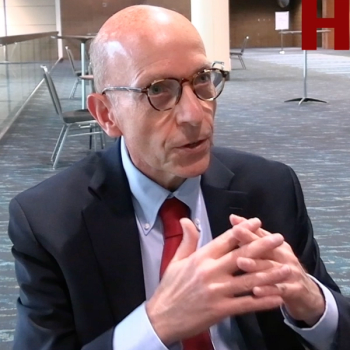
Montefiore psychiatry chair Jonathan Alpert, MD, PhD, discusses suggested updates to the DSM-5—with consideration to social determinants and patient-reported functioning.

Recurrence commonly occurred during the first 2 weeks regardless of treatment.
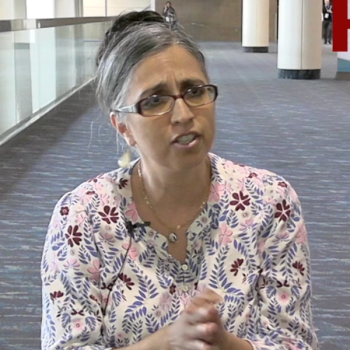
Linda Chokroverty, MD, discusses the significance of timing, communication and care coordination when children are affected by disasters or trauma.
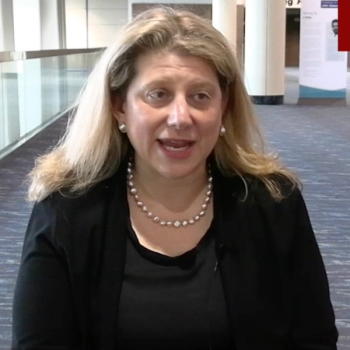
APA president-elect Rebecca W. Brendel, MD, JD, discusses the need to prepare for a "twin mental health pandemic" while continuing to appropriately facilitate innovations in psychiatric care.
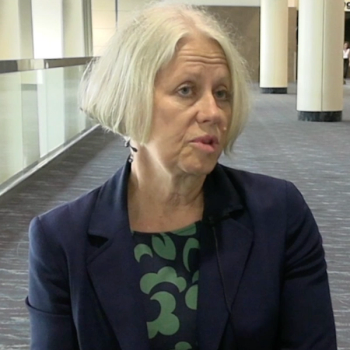
Anita Clayton, MD, reviews the available phase 2 and 3 clinical data for the novel, once-daily oral investigative drug.
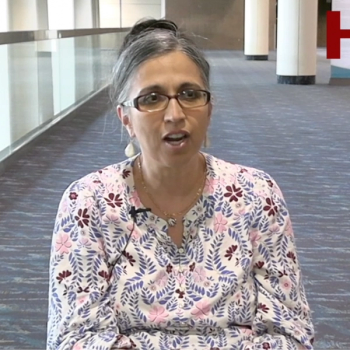
Linda Chokroverty, MD, discusses the role psychiatrists play in managing the mental health effects of disasters, and how children specifically may be impacted.

Both post-transplant PPI and histamine-2 receptor antagonist use were independently associated with reduced risk of 1-year mortality.
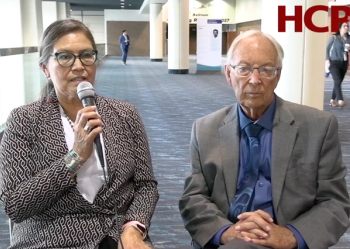
A pair of psychiatrists discuss how climate change and other social determinants of health are affecting the mental wellbeing of indigenous people.

DASH diet was inversely associated with NAFLD risk, independent of BMI changes.

The treatment did not improve sustained virologic response but did increase the rate of treatment-related adverse events.

There remains a need for longer-term observational studies comparing the 2 treatments.

It takes even more than a village to provide the comprehensive care needed for aging, neurocognitive patients, says Rajesh R. Tampi, MD, MS.

A 6-year mirror analysis of risperidone, once-monthly paliperidone palmitate or once-monthly aripiprazole concludes suggesting the regimens may serve as an alternative to clozapine.
Dr. Trudzinski speaks of the importance of diagnosing sex-specific pulmonary and extra-pulmonary comorbidities in women with COPD, as well as the lack of research regarding COPD prevalence in women.

Safety and efficacy data for the oral asthma therapy was presented at a late-breaking session at ATS 2022.

Investigators defined AHR as “a hallmark of persistent asthma”, noting that it could also be assessed via indirect challenge with mannitol.

In particular, airway epithelial cells (AEC) in allergic asthmatic (AA) were shown to upregulate mucus metaplasia, matrix-remodeling, and glycolytic programs while failing to upregulate antioxidant genes.

Results from the 2 APPaRENT trials suggest regular inhaled corticosteroids/LABA alone or with short-acting beta agonists were the preferred treatment approach with physicians.

With this new decade-long cohort, Dr. Chen notes that researchers are "one step closer to a more accurate view of what sarcoidosis may be like in the United States", with has been suggested to be more prominent in African American communities.

A post-hoc analysis of the VOYAGE study also found that the biologic improved the percent predicted pre-bronchodilator FEV1 in this patient population.