
On the basis of discovery into what drives adult-onset eczema, the novel drug may provide a unique benefit for impacted patients.
On the basis of discovery into what drives adult-onset eczema, the novel drug may provide a unique benefit for impacted patients.

A post hoc analysis shows the investigative drug significantly improved atopic dermatitis symptoms versus placebo as soon as the first week into a phase 2 trial.

It's been a whirlwind few years for dermatology. The nurse practitioner discusses modern care teams, comorbid psoriatic disease, and expanding patient inclusion in clinical trials.
Yan discusses how acne care strategies have been bolstered—and complicated—by pharmacotherapy and telemedicine developments.
With multiple drug classes working toward FDA indication, a dermatologists explains his strategy for managing hidradenitis suppurativa.
The first trial observing the topical drug in children held promise for an extended indication.

The CHOP pediatric dermatology director reviews recent breakthroughs in understanding complex pathophysiology of skin diseases.
The investigator explains why he believes the PDE4 inhibitor is "as close to a perfect drug as you can hope for in seborrheic dermatitis."

"Our research is unique in its attempt to describe a high-need, high-cost patient population who might benefit from increased monitoring or intervention," Dr. Ann Cameron says.
Criner and colleagues concluded that the 5-year results from the EMPROVE trial demonstrated that Spiration Valve System (SVS) treatment was safe and durable, effectively improving lung function in patients with emphysema
"High-risk patients are more likely to experience comorbid conditions and are more likely to use COPD medications and oxygen, reflecting a higher disease burden," Dr. Ann Cameron explains.

“We all know that exacerbations are the most costly disease impact of COPD,” study investigator Dr. Charlie Strange says.
An investigator argues for greater prescriber understanding and communication of real-world efficacy and safety outcomes for the latest oral JAK inhibitor approved for atopic dermatitis.

In this Q&A interview, Dr. Glick delved into the topics covered in his conference presentation on treating adults with plaque psoriasis and psoriatic arthritis.

Oral JAK-1 inhibitors upadacitinib and povorcitinib are showing significant benefit for patients with HS, and may soon be up for FDA decision.

These positive outcomes are promising for individuals struggling with narcolepsy, as they provide hope for improved management of their condition. However, Harsh says oxybate therapy is not for everyone.
In this Q&A interview, Del Rosso discussed his presentation on eczema therapies, the updates he made to his conference presentations this year, as well as his outlook on future research.
The next step for investigating sodium oxybate is to examine the safety and efficacy with other sleeping populations, primarily, hypersomnia.
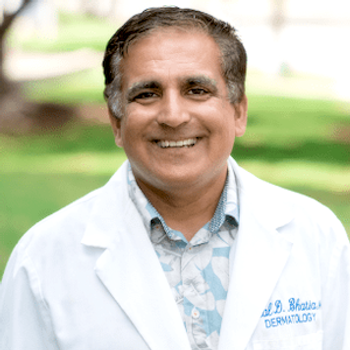
This interview with Dr. Bhatia featured a discussion about his views on newer therapies for dermatologic conditions as well as his outlook on the current research landscape.

In this segment of her interview, Hebert went further in depth about the main points covered in her conference talk regarding new developments in pediatric dermatology.
This interview featured a discussion with Dr. Hebert in which she addressed the biggest takeaways of her conference presentation titled ‘What’s New in Pediatric Dermatology.’

This interview segment featured Dr. Alexis describing his views on the ways in which the dermatology field may be able to better address disparities in care for those with skin of color.
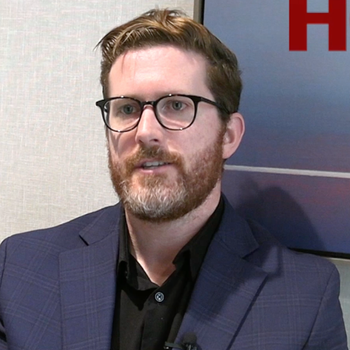
Cases have increased annually; a clinician shares his strategy for remaining aggressive and diligent in prevention and management.
In this interview, Dr. Alexis spoke about the ways in which the dermatology field should address the needs of patients with skin of color.
In this segment, Dr. Del Rosso discussed a conference presentation he gave titled ‘What You Really Need to Know About Rosacea.’
Secukinumab and bimekizumab may reach the market soon for the treatment of HS. What will it provide patients?
In this interview, Dr. Bhatia described the main takeaways from his conference presentation titled ‘JAKs and TYKs - What you Need to Know.’

The cross-specialty collaboration between dermatologists and these fields has been a daily occurrence, as inflammation-targeting drugs and comorbid patients have brought team closer together.
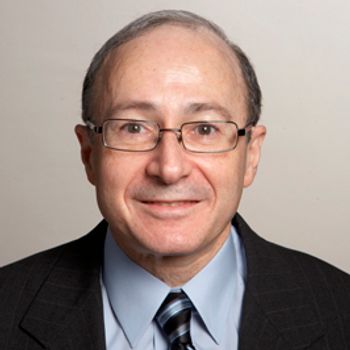
During the next part of his Q&A interview, Dr. Lebwohl further described new and future research into treating psoriasis.
Since roflumilast cream was approved by the FDA last July, one dermatology physician assistant advocates for its use as a primary medication.