

Late-breaking findings at ASRS 2023 suggest daily home OCT imaging is sufficient for remotely monitoring fluid among patients with treatment-naïve nAMD.
Late-breaking findings at ASRS 2023 suggest daily home OCT imaging is sufficient for remotely monitoring fluid among patients with treatment-naïve nAMD.

Presented at ASRS 2023, the results showed clinically meaningful reductions in anti-VEGF treatment burden at all dose levels of intravitreal 4D-150 in patients with a high anti-VEGF need.

At ASRS 2023, results from the MOSAIC study indicate the substantial burden of geographic atrophy on patients and their caregivers across the United States and Canada.

Presented at ASRS 2023, study data suggest aflibercept 8 mg provided greater therapeutic benefit, an extended injection interval, and equivalent safety versus aflibercept 2 mg in eyes with nAMD.

Efanesoctocog alfa defined a new therapy class by the US Food and Drug Administration (FDA) as the first and best-in-class high-sustained FVIII therapy.
Efanesoctocog alfa demonstrates promising results in new phase 3 data emphasizing the drug's potential to address unmet needs within the hemophilia community.

An analysis from ADA 2023 suggests adults with T1D and higher social determinants of health risks are less likely to perform behaviors to maintain health.

David Ahn, MD, joins our hosts for a discussion on overcoming barriers with diabetes technology and offers perspective on his experience leveraging social media platforms to disseminate information as a clinician.

The AHEAD program was associated with promising reductions in mean diabetes distress scores among emerging adults with type 1 diabetes.

A combination of in-office and telehealth visits increased visit frequency and maintained glycemic control in older adults with T1D during the COVID-19 pandemic.

Julie Heverly, of the Time in Range Coalition, discusses the history of time in range, offers perspective on its utility as a glucose metric, and provides an overview of the efforts of the Time in Range Coalition to advance use and education around time in range.

However, the presence of diabetic retinopathy was observed to have no significant impact on physical health and quality of life compared to subjects without retinopathy.
A recap of the top news from the 83rd Scientific Sessions of the American Diabetes Association, including data related to retatrutide, tirzepatide, oral semaglutide, and more!

After adjusting for potential confounding factors, patients with microvascular diseases, particularly diabetic retinopathy, and diabetic kidney disease, were found to have a greater possibility of left ventricular hypertrophy.

Analysis of a novel form of the topical drug shows rosacea is benefitted within 2 weeks of daily administration.
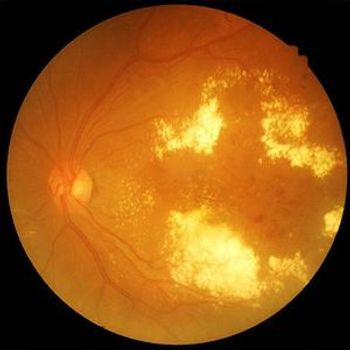
Diabetic retinopathy and microalbuminuria were associated with a significantly higher risk of hemodialysis induction in individuals with T2D.

An analysis of 3 academic health centers suggests youth with diabetic retinopathy had a longer duration of diabetes and higher hemoglobin A1c at the time of the diabetic eye exam.

An analysis of patients with psoriasis, PsA, or axSpA show risk of MACE with ixekizumab is consistently low.

Juan Frias, MD, discusses the potential impact of an FDA approval for once-weekly insulin icodec based on data observed within the ONWARDS program.

At ADA 2023, we asked interview guests for their opinions on the most important news to come from this year's scientific sessions, including Juan Frias, MD, Bob Gabbay, MD, PhD, Yehuda Handelsman, MD, Viral Shah, MD, and more.

A new analysis presented at ADA 2023 recommended effective diabetic retinopathy screening for patients with T2D and hypertension.
Investigators from the TRANSITION-T2D study join Diabetes Dialogue to discuss the study and implications for care.
A direct comparison of 3 independent AI systems showed differing prevalences of diabetic retinopathy, suggesting inconsistencies when applying these tools to those without preexisting diabetes.

The analysis, from ADA 2023, additionally indicated SGLT2 inhibition showed no effect on the risk of requiring intravitreal injection treatment for DME.

Data from a phase 2 substudy of retatrutide indicates use could reduce liver fat content and contribute to resolution of NAFLD in people with NAFLD and obesity.

W. Timothy Garvey, MD, sits down to discuss the results of SURMOUNT-2, the ongoing revolution of antiobesity medications, and why he is concerned over the growing prevalence of online weight loss clinics

Use of metformin was associated with significant reductions in the risk of developing POAG beyond glycemic control, according to an analysis presented at ADA 2023.

APX3330 showed statistically significant prevention of ≥3-step binocular DRSS worsening compared to placebo, but did not meet the study's primary endpoint.

Data from a pair of phase 2 trials in patients with overweight/obesity and type 2 diabetes presented at ADA 2023 suggest the GIP/GLP-1/Glucagon agonist retatrutide could provide significant weight loss and glycemic control benefits.

A 7-year longitudinal analysis presented at ADA 2023 suggests time in range was associated with an increased risk of diabetic retinopathy in people with type 1 diabetes.