

Data presented at ASN Kidney Week 2023 described the effects of SGLT2 inhibition in young patients with Alport syndrome.
Data presented at ASN Kidney Week 2023 described the effects of SGLT2 inhibition in young patients with Alport syndrome.

Results from the phase 3 YOSEMITE and RHINE trials show more than half of faricimab treat-and-extend patients met the criteria for a potential every-20-week dosing extension.

An analysis of Target-HTN provides new insight into the effects of lorundrostat among patients with uncontrolled or treatment-resistant hypertension.

Results presented at ASN Kidney Week 2023 highlighted the efficacy of twice weekly hemodialysis.

A subgroup analysis of hemodialysis patients treated with cognitive behavioral therapy for insomnia was presented at ASN Kidney Week 2023.
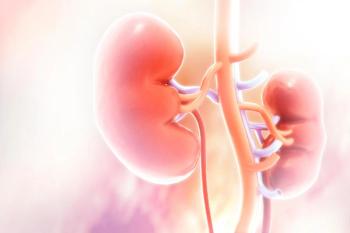
Presented at ASN Kidney Week 2023, results of the ENVISION trial provide the latest insight into effects of sibeprenlimab in management of IgA nephropathy as the nephrology community awaits the results of its ongoing phase 3 trial.

John W. Ostrominski, MD, describes the prevalence and overlap of cardiac, renal, and metabolic conditions in US adults over a 20-year period.
Results from both phase 2 trials were presented in poster abstracts at ACG 2023.

Kremer discusses new ad hoc findings from the phase 3 ENHANCE trial showing seladelpar's unique effect on pruritus in patients with PBC.

This interview with Dr. Feldman involved a discussion on new findings regarding atopic dermatitis patient preferences and racial disparities in dermatologic care.
In this interview with Dr. Steven Feldman, the latest findings on tralokinumab-ldrm as an atopic dermatitis treatment were discussed.

Guselkumab effectively cleared the skin of patients with moderate-to-severe plaque psoriasis across all skin tones, with significant improvements observed within the first 16 weeks of treatment.

Findings were presented in an abstract at ACG 2023, highlighting the importance of addressing bowel urgency in patients with ulcerative colitis.

New data from ACG 2023 shows etrasimod-treated patients were able to achieve UC remission, with or without concomitant steroid treatment at baseline.
Results showed higher-exposure dupilumab met the study’s primary endpoint for peak esophageal intraepithelial count ≤6 eos/high-power field.

Patients with moderate to severe scalp psoriasis treated with tildrakizumab exhibited sustained efficacy through week 52, demonstrating the long-term effectiveness and safety profile of this treatment.

In this Fall Clinical Dermatology Conference interview, Dr. Burgess answered several questions related to aesthetic treatments for patients with skin of color, including specific recommendations.
New QUASAR analysis shows patients with intolerance or failed response to advanced therapies nonetheless achieved benefit with guselkumab.

Results presented in a paper at ACG 2023 showed upadacitinib was more effective than ustekinumab for achieving clinical response and endoscopic remission.

Patients in the deucravacitinib group had higher response rates compared with placebo at week 16, regardless of the extent of baseline PASI score or BSA involvement.

Patients with scalp and body psoriasis who used nonsteroidal roflumilast foam .3% once daily experienced significant symptom improvement as early as 2 weeks.

Results presented at ACG 2023 demonstrated the viability of the HOMA-IR model for calculating insulin resistance to identify lean NAFLD.
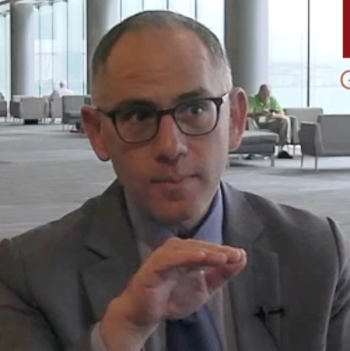
New PUNCH CD3 analyses show patients who were treated with live fecal microbiota therapy improved their gut health at 8 weeks—which correlated with improved quality-of-life scores.
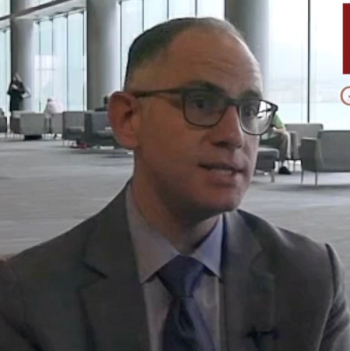
Feuerstadt reviews ACG 2023 data showing live microbiota therapy provides consistent protection against rCDI in one of the most vulnerable patient populations.
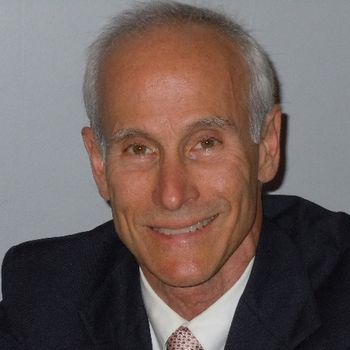
The UCLA hepatologist discusses the current treatment landscape, prospects for improved diagnostics, and the overlap syndrome live from ACG 2023.
A multi-target stool RNA test effectively screened individuals age 45 and older for colorectal cancer and advanced adenomas.

The investigator discusses the unique interplay between conditions like IBD and gestational risks—and how specialists need to improve communication.
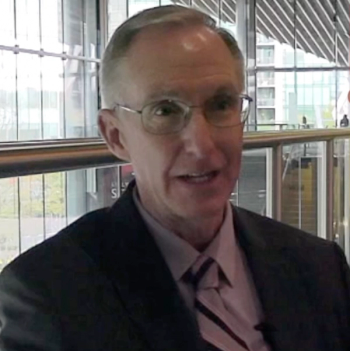
No catch-all drug works to treat irritable bowel syndrome with constipation. But as the Mayo Clinic expert explains, enough unique options exist to tailor care better than ever.

Induction treatment with guselkumab resulted in a rapid onset of efficacy, beginning at week 1 and increasing over time to week 12, for patients with refractory moderately to severely active ulcerative colitis.
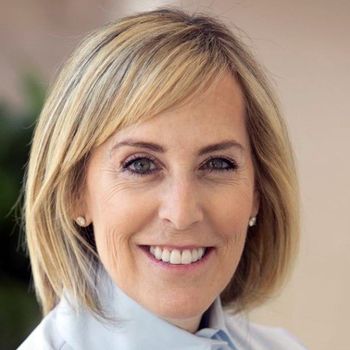
Etrasimod demonstrated rapid and significant symptomatic improvement, with differences compared to placebo evident as early as 2 days after initiation of treatment in patients with ulcerative colitis.