
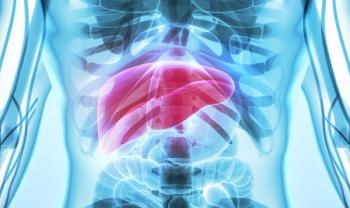
Results from this prospective study in Japan found older age, history of hepatocellular carcinoma, and decreased albumin level at SVR were significantly associated with liver-related mortality after SVR.
Results from this prospective study in Japan found older age, history of hepatocellular carcinoma, and decreased albumin level at SVR were significantly associated with liver-related mortality after SVR.

Investigators believe targeted immunomodulation with SEL-212 may have the potential to introduce a new uricase-based therapy for patients with gout refractory to conventional treatment.

The study shows rosnilimab's specificity in targeting PD-1 positive T cells, especially the PD-1 high T cells prevalent in inflamed tissues.

We sat down with Ana Lleo, MD, PhD, to discuss primary sclerosing cholangitis biomarkers and the need for future research in this field.

New pooled phase 3 and extension trial data show odevixibat continues to improve disease management and itch reduction in children with Alagille syndrome.

Early control of blood pressure helps lower blood pressure levels in postpartum women and potentially slows the progression of needing treatment for hypertension later down the line.

Presented at AHA 2023, phase 1 data for lepodisiran showcased a 97% reduction in lipoprotein(a) levels at the 608 mg dose.

Results presented at The Liver Meeting 2023 from the American Association for the Study of Liver Diseases highlighted an association between food insecurity and low household income with the risk of NAFLD in adolescents.

Participants with heart failure measured lower on physical and mental component scores than patients with lung, colon, breast, or prostate cancer, highlighting their worser health-related quality of life.

Lowering blood pressure significantly reduced the risk of developing dementia among adults with hypertension in China compared to usual care.
The incidence of hypertensive disorders of pregnancy rose from 9.22% in January 2018 to 12.15% in December 2021.

Investigators observe significantly greater 15-year survival rates after bariatric surgery among patients who achieve MASH resolution versus those who do not.

The phase 2 KARDIA-1 study reports a single dose of zilebesiran safely reduced systolic blood pressure in people with mild-to-moderate hypertension for up to 6 months.

Phase 3 data presented at The Liver Meeting 2023 from the American Association for the Study of Liver Diseases demonstrated the safety and efficacy of seladelpar in patients with primary biliary cholangitis through 12 months of treatment.

Interim data presented at The Liver Meeting highlight the novel antigen-specific immunotherapy's potential in resolving hepatitis B.

Presented at AHA 2023, the topline analysis of the phase 2 AZALEA-TIMI 71 trial showed abelacimab significantly reduced bleeding in people with Afib at risk of stroke, compared with rivaroxaban.

Brendon Neuen, MBBS, PhD, discusses the results of a study he presented at AHA 2023 estimating the lifetime benefit of combination therapy in patients with type 2 diabetes and albuminuria.

Madhumita Premkumar, MD, discusses a nationwide, cost-efficient eradication strategy she believes could benefit Americans' efforts to curb HCV.

Tatyana Kushner, MD, MSCE, sat down with HCPLive to discuss the White House hepatitis C elimination plan.

New analyses from the phase 3 MAESTRO-NASH support the oral daily drug's benefit for cardiovascular and hormonal outcomes over 1 year.

We sat down with Mark Sundrud, PhD, to discuss bile acids and T cells in cholestatic liver disease and the future of research regarding the interplay between intestinal and liver functions.

Findings from The Liver Meeting show the impact of acute alcoholic hepatitis on progression to severe disease and risk of death among younger populations.

Data presented at The Liver Meeting 2023 from the American Association for the Study of Liver Diseases (AASLD) showed similar assisted reproductive technology outcomes for patients with and without chronic liver disease.

ORBITA-2 trial: Percutaneous coronary intervention improved chest pain and quality of life vs. placebo in stable angina patients.

In the phase 2 ReVeRA trial, etripamil nasal spray provided a marked reduction in ventricular rates among patients with atrial fibrillation and rapid ventricular rates.

The MINT trial, which included 3504 patients with acute MI and anemia, shows a trend favoring liberal transfusion, indicating a potential for improved outcomes.
As more cases continue to disproportionately affect US women, an expert explains the biologic, sociocultural and clinical factors impacting the climb.
In this episode, hosts take a deep dive into the study’s results, including secondary endpoints, and what it means for the care of patients with overweight or obesity and preexisting cardiovascular disease in real-world settings.

Full data from the SELECT trial offer insight into the 20% relative risk reduction associated with use of semaglutide 2.4 mg in patients with overweight or obesity and preexisting cardiovascular disease at AHA 2023.

A trio of investigators discuss how research into bile acid interplay with the gut may lead to breakthroughs in treating conditions like NAFLD and NASH.